
Entertainment blogs seeking to differentiate their content and deepen audience engagement can leverage artist photo essays as a strategic publishing format. Unlike standard interviews or performance reviews, a well-executed photo essay provides a visual narrative that captures the essence of an artist's world, process, or persona in a unique, immersive way. This approach moves beyond text-heavy articles, offering a richer, more shareable experience that can significantly enhance time on page and reduce bounce rates. For content strategists, the commercial utility lies in creating evergreen content that resonates deeply with fan bases, drives organic search traffic through specific visual queries, and provides compelling material for social media distribution. The goal is to transform visual content from mere accompaniment into the primary storytelling vehicle, offering insights that text alone cannot convey.
Core Principles of Effective Artist Photo Essays
Developing a successful artist photo essay for an entertainment blog requires adherence to specific principles that elevate visual content beyond simple image galleries. These principles ensure the essay delivers narrative depth and commercial value.
Storytelling Through Visuals: Beyond the Performance
A photo essay's primary function is to tell a story without relying solely on extensive text. Each image should contribute to a larger narrative arc, revealing aspects of the artist that are rarely seen. This means moving beyond standard concert shots or posed portraits. Focus on capturing moments that convey emotion, process, and personality. For example, a series depicting a musician's creative journey from songwriting in a home studio to a live performance offers a compelling narrative. The commercial benefit is content that fosters a deeper connection with the artist, increasing fan loyalty and repeat visits to the blog.
Best for: Building emotional connection and providing exclusive insights.
Audience Engagement and Niche Appeal
Effective photo essays are tailored to the specific interests of an artist's fanbase. Understanding what aspects of an artist's life or work their audience finds most compelling allows for targeted content creation. For a rock band, behind-the-scenes shots of gear setup or tour bus life might resonate strongly. For a visual artist, detailed close-ups of their studio tools or works in progress could be more engaging. This strategic alignment ensures the content directly addresses audience curiosity, leading to higher engagement metrics and improved social sharing potential.
Consider:
- What unique access can be secured?
- Which aspects of the artist's work are underrepresented visually?
- How can the essay provide a fresh perspective for long-time fans?
Technical Execution and Visual Quality
The commercial impact of a photo essay is directly tied to its visual quality. High-resolution images, thoughtful composition, and consistent editing are non-negotiable. Blurry, poorly lit, or unprofessionally composed photographs detract from the narrative and reflect poorly on the blog's content standards. Invest in professional photography or ensure that photographers understand the specific visual storytelling goals. Optimized image files (correct dimensions, appropriate compression) are also crucial for site speed, which impacts user experience and SEO.
Generating Compelling Photo Essay Concepts
The conceptual stage dictates the eventual success and commercial relevance of an artist photo essay. Brainstorming unique angles ensures the content stands out in a crowded entertainment landscape.
The "Day in the Life" Narrative
Documenting a typical (or atypical) day for an artist offers an intimate, relatable perspective. This could include their morning routine, creative process in the studio, rehearsals, travel, or interactions with collaborators. The commercial value lies in humanizing the artist, fostering a sense of connection, and providing content that feels exclusive. These essays often perform well on social media due to their personal nature.
Evolution of a Project
Tracing the development of an artist's major project—an album, film, art exhibition, or theatrical production—from inception to completion provides a compelling visual journey. This could involve early sketches, recording sessions, costume fittings, set construction, or post-production work. Such essays offer a unique educational element alongside entertainment, appealing to fans interested in the creative process and craft. This type of content can also serve as valuable promotional material leading up to a release.
Unseen Spaces and Tools
Artists often have unique environments or tools central to their craft. A photo essay exploring a musician's home studio, a painter's cluttered workshop, a dancer's rehearsal space, or a filmmaker's editing suite can be highly engaging. These visuals provide context for their work and satisfy fan curiosity about the physical aspects of creation. The specificity of such content can attract niche search queries.
Collaborative Processes
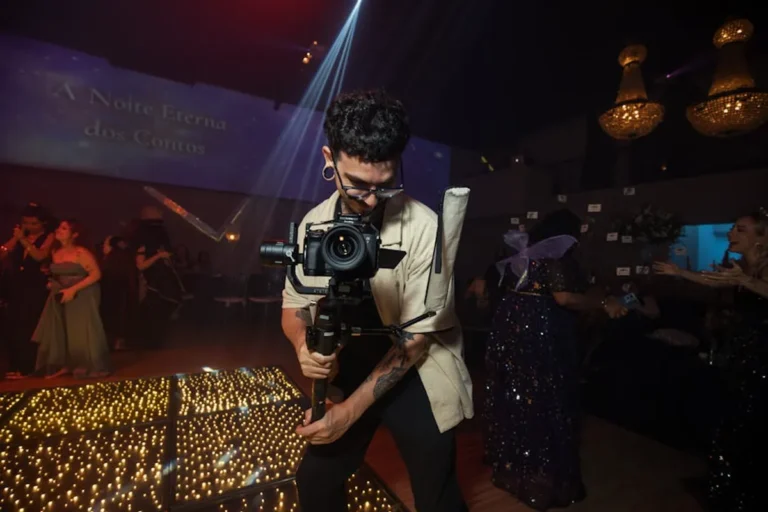
Many artists work with others. A photo essay capturing the dynamics of collaboration—a band rehearsing, a director working with actors, a producer in the studio with a vocalist—highlights the human element of creative partnerships. This approach can also introduce the audience to other talents involved, broadening the essay's appeal and potential for cross-promotion.
Fan Interaction and Live Events
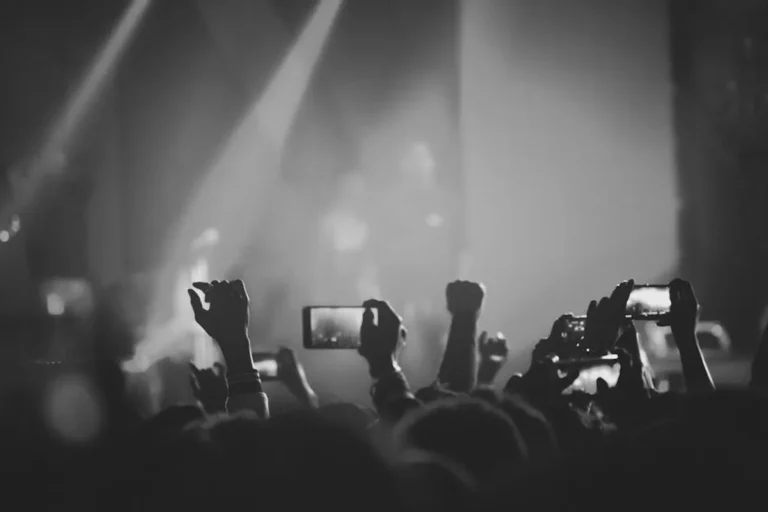
While performance shots are common, a photo essay can focus specifically on the energy of fan interaction at live events. This might include meet-and-greets, signing sessions, or candid moments between the artist and their audience. Capturing the reciprocal relationship between artist and fan reinforces community and celebrates the shared experience. This content often generates high social media engagement from fans who see themselves reflected.
Thematic Deep Dives
Explore a specific recurring theme or inspiration within an artist's body of work. This might involve visually connecting various pieces of art, lyrics, or film scenes to a central idea, or showcasing the real-world inspirations behind their creations. This concept requires more editorial oversight but can yield highly intellectual and engaging content that appeals to critical audiences and those seeking deeper meaning.
Pro Tip: When planning a photo essay, always secure rights and permissions upfront. Clear agreements with the artist and their representation prevent future disputes and ensure the content can be used commercially without restriction. This due diligence is critical for long-term content viability and blog reputation.
Optimizing Photo Essays for Entertainment Blogs
Beyond conceptualization and execution, the commercial success of an artist photo essay on an entertainment blog relies heavily on strategic optimization.
Strategic Image Selection and Sequencing
Not every photo taken needs to be included. Curate the selection to tell the most coherent and impactful story. The sequence of images is equally important; it should guide the viewer through the narrative, building tension or revealing information progressively. A strong opening image grabs attention, while a powerful closing image provides resolution or leaves a lasting impression. This careful curation improves user experience and encourages viewers to complete the essay.
Crafting Informative Captions and Supporting Text
While visuals lead, captions provide essential context, add detail, and offer opportunities for keyword integration. Each caption should succinctly explain what the viewer is seeing, why it's significant, and how it fits into the broader narrative. Avoid generic captions like "Artist performing." Instead, opt for "Musician Sarah J. perfecting a new guitar riff during a late-night studio session for her upcoming album, 'Echoes.'" A brief introductory and concluding paragraph can frame the essay, providing a textual hook and call to action.
Technical SEO for Image Content
Optimizing images for search engines is critical for discoverability. This includes:
- Descriptive File Names: Use relevant keywords (e.g.,
artist-name-studio-session-photo-01.jpg). - Alt Text: Provide concise, descriptive alternative text for every image. This aids accessibility and helps search engines understand image content, contributing to image search rankings.
- Image Compression: Reduce file sizes without sacrificing quality to improve page load speed, a key ranking factor and user experience metric.
- Structured Data: Consider implementing image object schema where appropriate to provide search engines with more context about the images.
These technical optimizations ensure that the visual content is not only engaging but also discoverable by a wider audience.
Actionable Next Steps for Content Teams
To integrate artist photo essays effectively into an entertainment blog's content strategy, teams should prioritize several key actions:
- Develop a Visual Content Calendar: Plan photo essays alongside traditional articles, ensuring a consistent flow of diverse content.
- Forge Artist Relationships: Proactively build connections with artists, publicists, and managers to secure exclusive access for photo opportunities.
- Invest in Photography Resources: Ensure access to skilled photographers who understand visual storytelling and blog content needs.
- Establish a Clear Editorial Workflow: Define roles for concept development, photography, editing, caption writing, and SEO optimization to streamline production.
- Analyze Performance Metrics: Track engagement metrics (time on page, shares, comments) and image search performance to refine future photo essay strategies.
Frequently Asked Questions
What makes a photo essay different from a photo gallery?
A photo essay tells a cohesive story through a carefully selected and sequenced series of images, often accompanied by narrative captions. A photo gallery, conversely, is typically a collection of images that may or may not follow a specific narrative, often serving as supplementary content.
How many images should an artist photo essay include?
There is no strict rule, but an effective artist photo essay typically contains between 10 and 30 images. The number should be dictated by the story being told; enough images to develop the narrative without overwhelming the viewer or creating unnecessary page load times.
Can photo essays help with SEO for entertainment blogs?
Yes, photo essays can significantly contribute to SEO. By providing unique, high-quality visual content, they can rank in image search results, improve user engagement signals (like time on page), and offer more opportunities for keyword integration through descriptive file names and alt text. They also provide highly shareable content, driving referral traffic.
What kind of artists are best suited for photo essays?
Artists with visually interesting processes, unique personal styles, or significant behind-the-scenes activities are excellent candidates. This includes musicians, visual artists, actors, dancers, filmmakers, and even creative directors. The key is access to compelling visual moments that can tell a story.