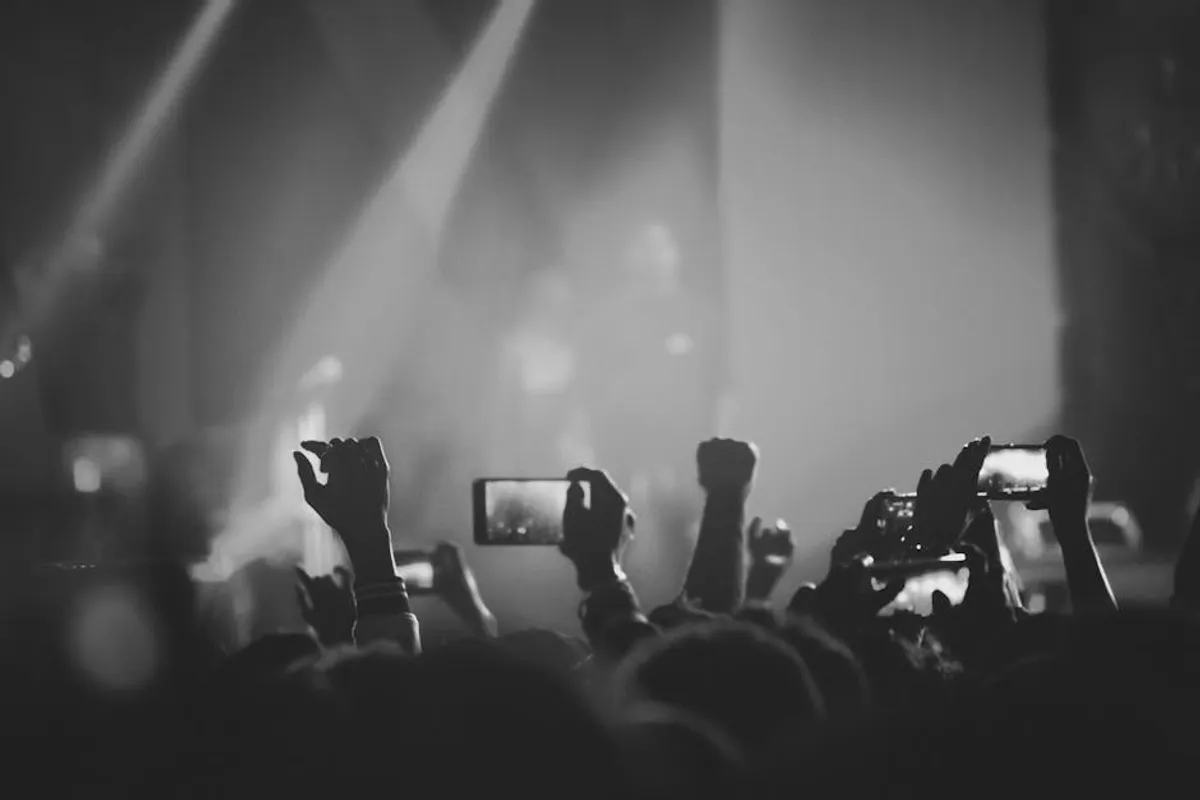
Concert photography presents a unique set of challenges and opportunities for photographers. Unlike controlled studio environments, live music events are dynamic, often dimly lit, and demand rapid decision-making. A structured roadmap is essential for navigating the technical demands, securing access, and ultimately capturing compelling images that resonate with both artists and audiences. This guide outlines the key stages and considerations for building a successful practice in this specialized field, moving from foundational equipment choices to advanced access strategies and commercialization.
Essential Equipment for Dynamic Environments
The core of effective concert photography lies in gear capable of performing under pressure and in low light. Prioritize equipment that offers flexibility and reliability rather than simply the highest price point.
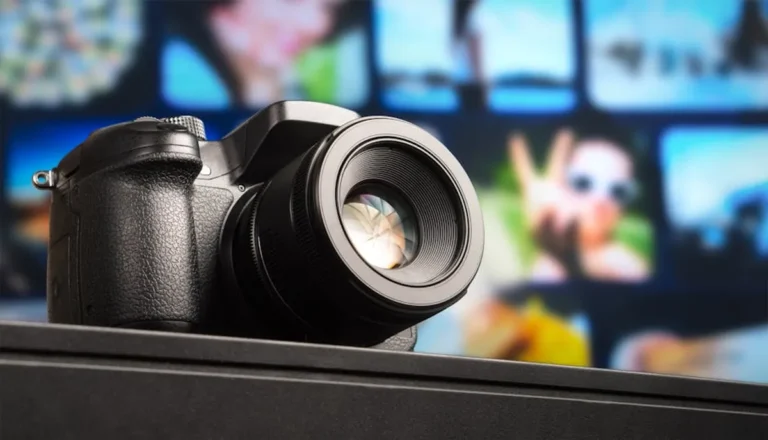
- Camera Body: Look for bodies with excellent high-ISO performance to manage low-light conditions without excessive noise. Full-frame sensors generally outperform APS-C in this regard, offering cleaner files at higher ISO settings. Fast autofocus systems are non-negotiable for tracking moving subjects on stage.
- Lenses: Fast prime lenses (e.g., 50mm f/1.4, 85mm f/1.4) or zoom lenses with a constant wide aperture (e.g., 24-70mm f/2.8, 70-200mm f/2.8) are critical. The wider aperture allows more light to reach the sensor, enabling faster shutter speeds and lower ISOs, which are crucial for freezing motion and maintaining image quality.
- Memory Cards: High-speed, high-capacity cards are essential for continuous shooting and ensuring you don't miss critical moments due to buffer limitations. Consider multiple cards to prevent data loss from a single point of failure.
- Batteries: Always carry multiple fully charged spare batteries. Concerts are often long, and cold environments can drain power faster.
- Ear Protection: Beyond photography gear, hearing protection is vital for personal safety and long-term health in loud venues.
Navigating Access and Accreditation
Securing permission to photograph live events is often more challenging than mastering the technical aspects. This stage dictates whether you can even apply your skills.
Building Relationships and Portfolio
Initial access frequently comes through smaller, local venues or emerging bands. Offer to shoot for free or at a reduced rate to build a portfolio specifically tailored to live music. This portfolio demonstrates your capability to handle the unique demands of concert settings. Actively network with local musicians, venue managers, and promoters. A strong portfolio, even from smaller gigs, serves as a tangible representation of your skill, which is essential when seeking formal accreditation.
Understanding Photo Pass Protocols
For larger acts and venues, a "photo pass" is mandatory. These are typically issued by band management, record labels, or event public relations (PR) teams. The process often involves:
- Media Request: Submitting a formal request, usually through an editor or publication, outlining your intent and the publication your work will appear in.
- Publication Affiliation: Most passes require you to be shooting for a recognized media outlet. Building relationships with online music blogs, local newspapers, or niche magazines can provide this necessary affiliation.
- "First Three, No Flash": This is a common industry rule. Photographers are often permitted to shoot only during the first three songs of the main act, from the photo pit (the area between the stage and the audience), and without flash. Understanding and adhering to these rules is crucial for maintaining professional standing and future access.
Pro Tip: Always confirm specific photo restrictions with the event's PR contact or venue staff before the show. Rules can vary significantly between artists and venues, and violating them can result in immediate removal and blacklisting.
Mastering Live Performance Technique
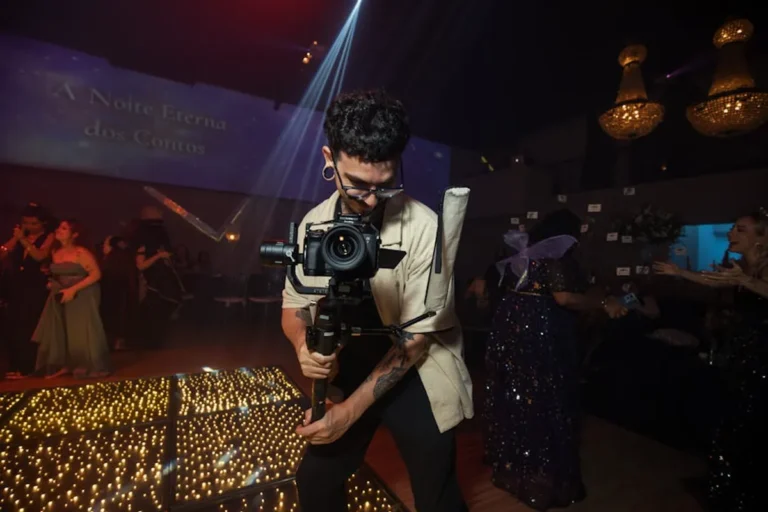
Once inside, your technical approach must adapt to the unpredictable nature of live performance. Anticipation and quick adjustments are key.
Exposure Triangle in Low Light
Prioritize shutter speed to freeze motion (typically 1/125s to 1/500s, depending on the action). Use the widest possible aperture your lens allows (e.g., f/2.8) to maximize light intake and create subject separation. Compensate for low light by increasing ISO, balancing noise levels with the need for a properly exposed image. Modern cameras handle higher ISOs better, but knowing your camera's limits is important.
Composition and Anticipation
Look for peak action, expressive facial gestures, and interesting interactions between band members. Use stage lighting creatively; spotlights, backlighting, and colored gels can all enhance your images. Avoid shooting only full-body shots; mix in close-ups, environmental shots, and audience reactions. Anticipating key moments, such as a guitar solo or a dramatic pose, comes with experience and familiarity with performance dynamics.
Post-Production Workflow and Presentation
The work doesn't end when the music stops. Efficient post-processing and strategic presentation are vital for delivering impactful results.
Culling and Editing
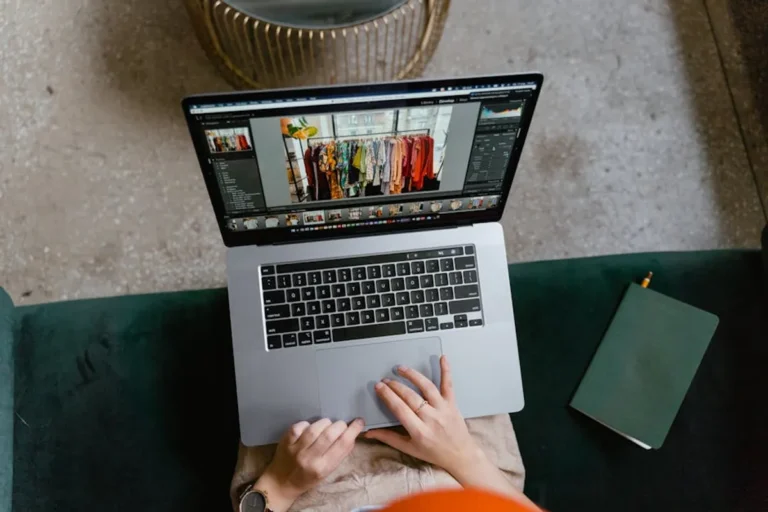
Rapidly cull through hundreds or thousands of images to select the strongest shots. Focus on sharp focus, strong composition, and emotional impact. In editing software, prioritize exposure correction, white balance adjustments, and selective noise reduction. Avoid over-processing; the goal is to enhance, not distort, the original scene. Maintain a consistent editing style across your portfolio.
Building a Professional Portfolio
Curate a dedicated online portfolio showcasing your best concert photography. Use platforms that allow for high-resolution display and easy navigation. Include a clear contact method and, if applicable, details on your commercial services. This portfolio is your primary marketing tool for attracting clients and securing further opportunities.
Commercializing Your Concert Photography
Transforming a passion into a profession requires understanding the commercial landscape and actively pursuing paid opportunities.
Licensing and Usage Rights
Educate yourself on image licensing. When you provide photos to a publication or artist, clarify the terms of use: duration, geographical reach, and specific applications (e.g., editorial, promotional, merchandise). Retain copyright unless explicitly agreed otherwise. Licensing can provide ongoing revenue streams beyond the initial shoot fee.
Direct Client Work
Approach bands, independent artists, record labels, and venues directly. Many require high-quality imagery for press kits, album art, social media promotion, and website content. Offer tailored packages that meet their specific marketing needs. Building long-term relationships with artists can lead to consistent work and touring opportunities.
Moving Forward in Concert Photography
The path to becoming a recognized concert photographer is iterative, combining technical skill with persistent networking and business acumen. Continuously refine your craft by shooting frequently, analyzing your work, and seeking feedback. Understanding the nuances of light, movement, and emotion in live performance, coupled with a strategic approach to access and commercialization, will define your success.
Frequently Asked Questions
What's the most crucial piece of gear for concert photography?
A fast lens (f/2.8 or wider aperture) is arguably the most crucial, as it allows you to capture sufficient light in dim conditions, enabling faster shutter speeds to freeze motion and achieve sharper images without excessive ISO noise.
How do I get a photo pass for a major concert?
Typically, you need to be affiliated with a media outlet (e.g., a music blog, magazine, or news publication) that can formally request a pass from the artist's public relations team or management. Building a strong portfolio and professional relationships often precedes this step.
Can I use flash at concerts?
Generally, no. Most venues and artists prohibit flash photography because it can be distracting to performers and other audience members. Always adhere to the "no flash" rule unless explicitly given permission, which is rare.
How can I protect my hearing at loud shows?
Invest in high-fidelity earplugs designed for musicians or concert-goers. These reduce decibel levels evenly across frequencies, preserving sound quality while protecting your ears from damage, allowing you to work comfortably and safely.