Photographing public figures, particularly celebrities, presents a unique set of challenges that extend beyond technical skill. For professionals in media, content creation, and commercial photography, understanding and implementing respectful practices is not merely an ethical guideline; it is a critical component of reputation management, legal compliance, and long-term career viability. A single misstep can lead to legal repercussions, public backlash, and the permanent loss of access and opportunity. This guide outlines the essential considerations for capturing images of celebrities in a manner that upholds professional standards and protects both the subject's privacy and the photographer's commercial interests.
Navigating Public and Private Spaces
The distinction between public and private spaces dictates the legal and ethical parameters for celebrity photography. Understanding these boundaries is fundamental to avoiding legal disputes and maintaining professional integrity.
Understanding Consent and Expectation of Privacy
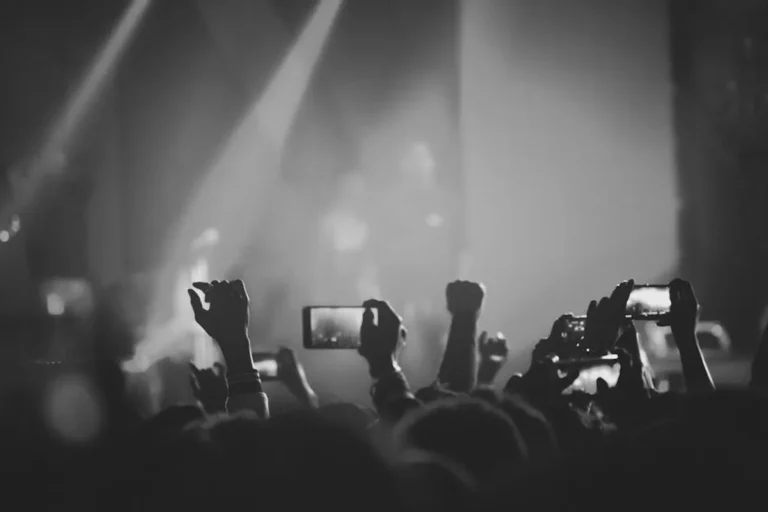
In public spaces—such as streets, parks, or public events—individuals generally have a diminished expectation of privacy. This often permits photography without explicit consent. However, even in public, aggressive or harassing behavior can cross legal lines, particularly if it creates a reasonable fear for safety or constitutes stalking. For celebrities, while their public presence is part of their persona, their right to personal space and safety remains. The key is to capture moments without becoming an intrusive presence.
Conversely, private spaces—including homes, private events, or areas where a celebrity has a reasonable expectation of privacy—are strictly off-limits without explicit permission. Photographing in these contexts without consent is a direct violation of privacy laws and can lead to significant legal action, including civil lawsuits for invasion of privacy, trespass, or harassment. Always err on the side of caution: if there is any doubt about the public or private nature of a location, seek permission or refrain from photographing.
Legal Distinctions: Public Figures vs. Private Citizens
The law often treats public figures differently from private citizens regarding privacy rights. Public figures, by virtue of their fame, are generally considered to have a lower expectation of privacy in public settings. This legal framework allows for broader media coverage and public interest. However, this distinction is not absolute. The "newsworthiness" or "public interest" defense typically applies to editorial content, not necessarily to commercial exploitation of an image without consent. For instance, using a celebrity's image in an advertisement without their endorsement or a usage agreement is generally illegal, regardless of where the photo was taken.
Commercial Application: When photographs of celebrities are intended for commercial use (e.g., advertising, product endorsement, merchandise), explicit written consent and a clear licensing agreement are almost always required. This protects both the photographer and any commercial entity using the image from costly right-of-publicity claims.
Pro Tip: Always carry a copy of your press credentials or professional identification. While not a blanket permit, it can help establish your professional intent if questioned and distinguish you from intrusive paparazzi. However, it does not supersede privacy laws or the need for consent in private settings.
Technical Strategies for Non-Intrusive Capture
Respectful photography also involves the technical choices made during capture, ensuring that the act of photographing does not invade personal space or create undue discomfort.
Optimal Equipment for Distance and Discretion
Utilizing appropriate equipment allows for high-quality capture from a respectful distance, minimizing the need for close-up physical proximity. Long telephoto lenses (e.g., 300mm, 400mm, or even 600mm) enable photographers to capture candid moments without encroaching on a celebrity's personal space. These lenses are essential for event coverage, red carpet photography, or capturing street style from a discreet vantage point. Furthermore, cameras with silent or near-silent shutter modes can reduce auditory disruption, contributing to a less intrusive presence.
Recommended Gear:
- Fast telephoto lenses (f/2.8 or f/4) for low-light performance and subject isolation.
- Cameras with high ISO capabilities to avoid flash in dimly lit environments.
- Monopods or tripods for stability with heavy telephoto setups.
Minimizing Disruption: Flash and Posing
The use of artificial light, particularly direct flash, can be highly disruptive and intrusive. It can startle individuals, create harsh and unflattering images, and signal an aggressive approach. Whenever possible, rely on available light. If additional illumination is necessary, use off-camera lighting with diffusers or bounce flash techniques that create softer, more natural light without directly blinding the subject. Avoid directing or posing celebrities without explicit permission, especially in public settings where they are not expecting to be directed. Candid, observational photography from a distance is generally the most respectful approach outside of controlled photo shoots.
Professional Etiquette and Reputation Management
Beyond legal and technical considerations, a professional and respectful demeanor is paramount for anyone seeking to photograph celebrities, especially for those who wish to maintain long-term access and a positive industry reputation.
Direct Interaction and Respectful Engagement
If direct interaction is unavoidable or desired, approach with politeness and clarity. State your purpose briefly and respectfully. If you are at an event where access is granted, adhere to the event's guidelines and any requests from publicists or security. Always ask for permission before taking a close-up portrait or engaging in conversation. Respect a "no" or a request for privacy without argument. A positive, professional interaction can sometimes lead to better opportunities, such as a brief posed shot or future access, whereas a negative one can lead to blacklisting.
Avoiding Aggressive or Harassing Behavior
Aggressive tactics, such as shouting, chasing, blocking paths, or repeatedly photographing after a clear request to stop, are not only unethical but can also lead to legal charges of harassment or assault. Such behavior damages the photographer's reputation, the reputation of their publication or platform, and can contribute to a hostile environment for the celebrity. Maintaining a calm, professional distance and demeanor is crucial. Focus on capturing moments as they unfold naturally, rather than attempting to force or stage them through intrusive means.
Post-Capture: Usage Rights and Ethical Dissemination
The responsibility of respectful celebrity photography extends well beyond the moment of capture, encompassing how images are used and distributed.
Licensing and Commercial Use Considerations
For any commercial application of celebrity images—including advertising, product promotion, or any use that implies endorsement—a robust licensing agreement and explicit written consent from the celebrity or their authorized representatives are mandatory. This typically involves negotiating fees and specific usage terms. Using a celebrity's image commercially without permission can lead to substantial lawsuits for violation of publicity rights. Even for editorial use, understanding the terms of any event-specific press passes or agreements is vital to ensure compliance.
Responsible Digital Sharing
In the age of instant digital dissemination, responsible sharing is critical. Before posting any celebrity image online, especially on social media, consider the context and potential impact. Avoid sharing images that appear to invade privacy, depict a celebrity in a vulnerable state, or could be construed as harassing. While public figures are subject to scrutiny, ethical content creators prioritize respectful representation. This practice not only protects the celebrity but also safeguards the photographer's professional standing and avoids contributing to negative online narratives.
Cultivating a Professional Approach
Mastering the art of respectfully photographing celebrities is a blend of technical skill, legal awareness, and unwavering professional ethics. By prioritizing discretion, understanding legal boundaries, and maintaining a courteous demeanor, photographers and content creators can build a reputation for integrity and gain access to valuable opportunities. This approach not only ensures compliance but also contributes to a more positive and sustainable relationship between public figures and those who document their lives.
Frequently Asked Questions
Is it always necessary to get consent to photograph a celebrity in public?
For editorial or news purposes, explicit consent is generally not required if the celebrity is in a genuinely public space and the photography is not harassing. However, for any commercial use that implies endorsement or promotes a product, explicit written consent and a licensing agreement are almost always mandatory to avoid legal issues.
What is the difference between paparazzi and a professional event photographer?
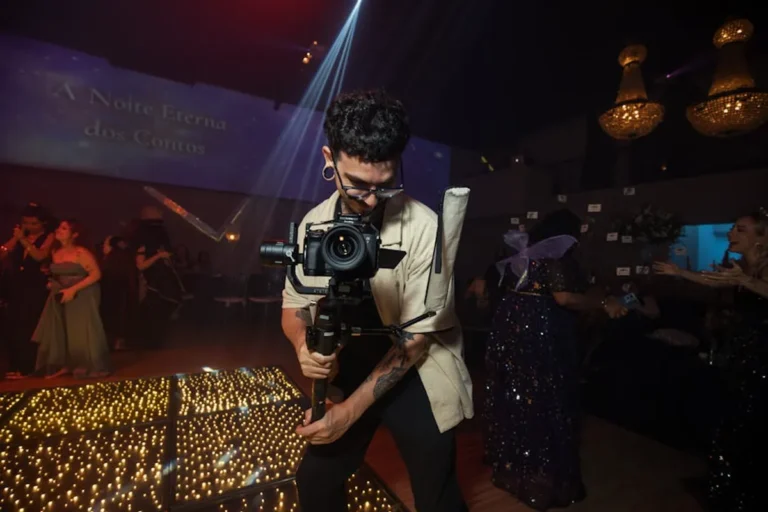
Paparazzi often operate without official access, focusing on candid, sometimes intrusive, shots for tabloid or entertainment news. Professional event photographers typically have credentials, work within designated areas, and adhere to event guidelines, often with a focus on delivering high-quality images for specific media outlets or clients.
Can I use a celebrity photo I took for my personal portfolio without their permission?
Using a photo in a personal portfolio for self-promotion (e.g., to showcase your skill to potential clients) is generally considered a non-commercial use and often permissible, especially if the photo was taken in a public setting. However, if the portfolio is used directly to sell products or services where the celebrity's image implies endorsement, it crosses into commercial use and would require consent.
What should I do if a celebrity asks me to stop photographing them?
If a celebrity, or their representative, explicitly asks you to stop photographing them, cease immediately and respectfully. Continuing to photograph after such a request can be considered harassment and may lead to legal consequences or loss of access to future events.