Understanding the specialized language of entertainment photography is crucial for any professional operating in this dynamic field. Beyond technical camera settings, the terminology encompasses venue access protocols, lighting nuances, post-production workflows, and critical legal considerations. A clear grasp of these terms ensures effective communication with clients, venue staff, and artists, minimizing misunderstandings that can impact project delivery or legal standing. This glossary provides a foundational reference, equipping photographers with the precise vocabulary needed to navigate contracts, secure access, and manage image rights effectively within the entertainment industry. This glossary provides a foundational reference, equipping photographers with the precise vocabulary needed to navigate, and understanding the right specifications for choosing the right equipment can make all the difference.
Event Access and Venue Terminology
Navigating live events requires specific knowledge of access points and on-site roles. Misinterpreting these terms can lead to missed shots or denied entry.
- Photo Pit: The designated area, typically between the stage and the audience, reserved for accredited photographers. Access is usually strictly controlled and time-limited, often only for the first three songs of a performance.
- House Photographer: An official photographer employed by or contracted to a venue or production company. They often have unparalleled access but may have specific usage restrictions on their images.
- Tour Photographer: A photographer who travels with an artist or band, documenting their entire tour. This role grants extensive access, often including backstage and private moments, with images typically used for official band promotion.
- Red Carpet: A designated area, usually at premieres or awards shows, where celebrities pose for photographers. This setup often involves specific lighting, backdrops, and strict time slots for each talent.
- Step and Repeat: A backdrop, typically featuring repeating logos of sponsors or event organizers, against which talent are photographed on a red carpet or at a press event.
- Media Credential: An official pass or badge issued by event organizers, granting specific levels of access to designated areas, such as the photo pit, press room, or backstage.
Technical and Lighting Specifics
Capturing compelling images in often challenging, fast-paced, and low-light environments demands a command of specialized technical and lighting terms.
Stage Lighting Elements
Understanding stage lighting is not just about exposure; it's about anticipating and working with the production's visual design.
- Gobo: A stencil or template placed inside or in front of a light source to control the shape of the emitted light. Often used to project patterns, logos, or textures onto the stage or backdrop.
- Haze/Fog: Atmospheric effects used to enhance lighting beams and create a sense of depth. Photographers must adjust exposure and focus to compensate for the reduced clarity.
- Follow Spot: A powerful, manually operated spotlight designed to follow a performer as they move across the stage. Often creates high-contrast lighting that requires careful exposure metering.
- Pyro: Short for pyrotechnics, referring to fire, sparks, or smoke effects used in live performances. Requires photographers to be aware of safety zones and anticipate sudden bursts of light and smoke.
Camera and Lens Terminology
Equipment choices and settings are critical for adapting to varied entertainment scenarios.
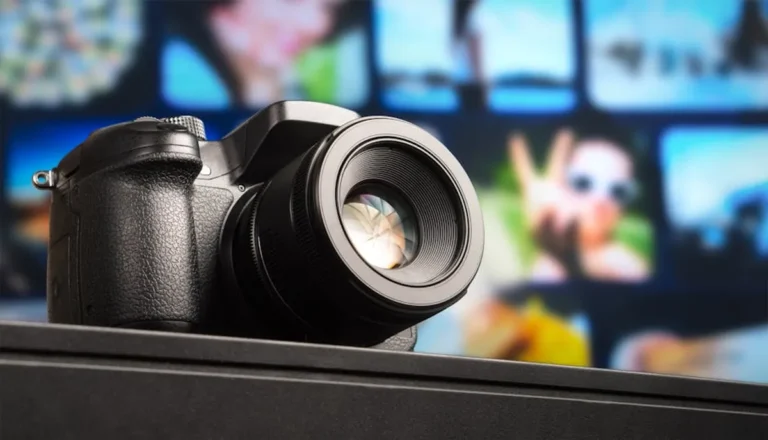
- Fast Glass: A colloquial term for lenses with very wide maximum apertures (e.g., f/2.8, f/1.8, f/1.4). These lenses allow more light to reach the sensor, enabling faster shutter speeds in low-light conditions and creating shallow depth of field.
- Burst Mode/Continuous Shooting: A camera setting that allows multiple photographs to be captured in rapid succession with a single press of the shutter button. Essential for capturing peak action in unpredictable live performances.
- Back Button Focus: A camera setup where autofocus activation is separated from the shutter button, typically assigned to a button on the camera's rear. This allows photographers to maintain focus on a subject independently of taking a shot, useful for tracking moving performers.
Post-Production and Delivery Terms
Beyond capture, the process of refining and distributing images involves its own set of critical terms, particularly concerning rights and usage.
- Culling: The initial process of reviewing all captured images and selecting the best ones for further editing, discarding technically flawed or redundant shots. Efficiency in culling directly impacts delivery timelines.
- Color Grading: The process of altering and enhancing the color of an image to achieve a specific aesthetic or mood, often matching the artistic direction of a performance or client branding.
- Metadata: Information embedded within an image file, such as camera settings (EXIF data), copyright information, keywords, and contact details. Crucial for organization, searchability, and protecting intellectual property.
- Delivery Platform: An online service or software used to securely deliver high-resolution images to clients, often including features for proofing, downloading, and sometimes print ordering.
Pro Tip: Always clarify usage rights and licensing terms before an event. Many media credentials include restrictive clauses regarding image distribution, commercial use, and even embargo periods. Ensure your client agreements align with these restrictions to avoid copyright infringement or disputes with event organizers.
Business and Legal Terminology
Understanding the legal framework around image use is paramount for protecting your work and ensuring proper client relationships.
- Copyright: The exclusive legal right granted to the creator of original works, including photographs, to print, publish, perform, film, or record literary, artistic, or musical material, and to authorize others to do the same. In photography, copyright typically vests with the photographer upon creation.
- Editorial Use: Permission to use an image solely for descriptive or illustrative purposes in connection with news, commentary, or educational content. This typically prohibits use for advertising, promotion, or commercial endorsements.
- Commercial Use: Permission to use an image in advertising, marketing, promotion, or any context intended to generate revenue. This often requires additional model or property releases and commands higher licensing fees than editorial use.
- Rights-Managed (RM): A licensing model where specific usage rights are granted for a defined period, territory, and purpose. Fees are determined by these parameters, offering granular control over image distribution.
- Royalty-Free (RF): A licensing model where a one-time fee grants broad, perpetual usage rights for an image across various applications, without requiring additional payments per use. While seemingly simpler, it offers less control over image exclusivity.
- Work for Hire: A legal term indicating that a work created by a photographer is considered the property of the commissioning party from its inception. This means the commissioning party owns the copyright, not the photographer, which has significant implications for future usage and revenue.
Ensuring Professional Communication and Legal Clarity
Mastering this specialized vocabulary allows photographers to engage confidently in negotiations, interpret contracts accurately, and set clear expectations with clients. It underpins effective project management and safeguards intellectual property, transforming potential ambiguities into actionable clarity. This precision in language ultimately contributes to a more professional operation and stronger client relationships within the competitive entertainment sector.
Frequently Asked Questions
Q: What is the difference between a Photo Pit and Backstage Access?
A: The Photo Pit is a designated area directly in front of the stage, specifically for photographers during a performance, often with time limits. Backstage Access grants entry to areas behind the stage, dressing rooms, or production offices, typically for tour photographers or approved media, and is usually not for active performance photography.
Q: Why is "Fast Glass" important in entertainment photography?
A: Entertainment venues, especially concerts, are often dimly lit. "Fast glass" (lenses with wide apertures like f/1.4 or f/2.8) allows more light to reach the camera sensor, enabling faster shutter speeds to freeze action and lower ISO settings to reduce image noise, both critical for sharp, clean images in challenging conditions.
Q: When should I be concerned about "Work for Hire" clauses?
A: Always be concerned. A "Work for Hire" clause means you, as the photographer, do not retain copyright to your images; the client does. This limits your ability to license the images for other purposes or use them in your portfolio without the client's permission. Ensure you understand its implications for your long-term business and negotiate terms if it's not in your best interest.
Q: How do "Editorial Use" and "Commercial Use" affect my image licensing?
A: Editorial Use permits your images for news or informational purposes, generally at a lower fee, without needing model releases if the subjects are public figures in a public setting. Commercial Use, for advertising or promotion, typically requires higher fees and often necessitates signed model and property releases to avoid legal issues related to privacy or endorsement.