Navigating the diverse landscape of entertainment photography requires not just technical skill but also a keen eye for compelling subjects and commercial viability. The decision to specialize or expand into specific entertainment niches impacts portfolio development, client acquisition, and overall career trajectory. Understanding the unique demands and opportunities within each sub-genre allows photographers to strategically position themselves, investing time and equipment where it yields the most impactful results. This guide explores distinct areas within entertainment photography, detailing their inherent challenges, advantages, and commercial applications, enabling a more informed approach to capturing the energy and spectacle of live events.
What Defines a Compelling Entertainment Photography Idea?
A compelling entertainment photography idea offers a confluence of visual potential, market demand, and feasible execution. Consider the inherent dynamism of the subject: does it present opportunities for dramatic lighting, vibrant colors, or expressive motion? Market demand translates to potential clients—venues, promoters, artists, or media outlets seeking high-quality imagery for promotion, archival, or editorial use. Feasibility encompasses access, technical requirements, and the speed at which content needs to be delivered. Ideas that balance these elements provide a clearer path to both artistic fulfillment and commercial success, ensuring that effort translates into tangible portfolio assets and client work. Ideas that balance these elements provide a clearer path to building a strong portfolio and securing future work.
1. Live Music Events (Concerts, Festivals)
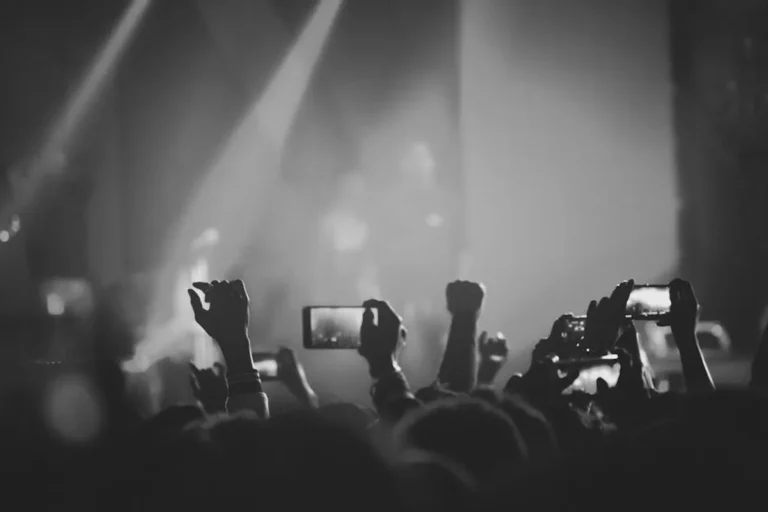
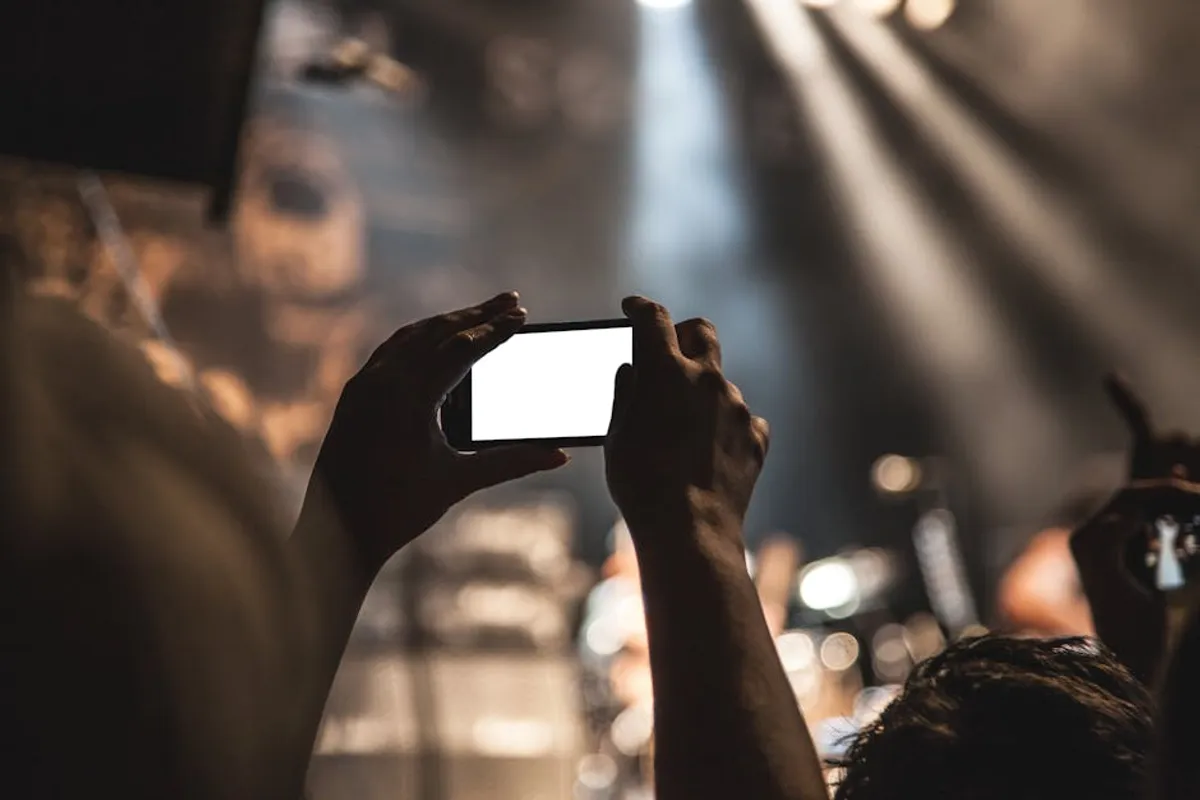
This category encompasses everything from intimate club gigs to large-scale outdoor festivals. The core appeal lies in capturing raw energy, performer charisma, and audience engagement. Photographers often focus on peak action, dramatic lighting changes, and unique stage setups. Success here demands rapid reaction times and adaptability to frequently changing conditions, often in low-light environments with restricted movement.
Best for: Photographers seeking high-energy, dynamic subjects with strong demand for promotional and editorial content from artists, venues, and media.
Pros: High visual impact; opportunities to build relationships with musicians and promoters; diverse range of subjects from solo artists to full bands; strong potential for repeat client work.
Cons: Often requires specific photo passes or accreditation; challenging and unpredictable lighting; restricted shooting locations and time limits (e.g., "first three songs, no flash"); intense competition for prime shots.
Verdict: A cornerstone of entertainment photography, offering significant portfolio-building opportunities and direct paths to working with artists and event organizers. Demands technical proficiency in low light and strong networking to overcome access hurdles.
2. Theatrical Productions (Plays, Musicals, Opera)
Theater photography focuses on storytelling through staged performance, capturing key emotional moments, elaborate sets, and intricate costumes. Unlike concerts, lighting is often controlled and rehearsed, but movement can be precise and repetitive. Photographers typically shoot dress rehearsals for optimal conditions, though live performance shots are also valued for authenticity.
Best for: Photographers who appreciate narrative, controlled environments, and the ability to plan shots in advance, catering to theater companies, producers, and marketing teams.
Pros: Controlled lighting and staging allow for more deliberate composition; opportunities to capture detailed expressions and elaborate costumes; strong narrative elements; potential for long-term relationships with theater companies.
Cons: Limited shooting angles during live performances; strict rules regarding flash and shutter noise; often requires shooting from a distance; capturing genuine emotion without disrupting the audience can be difficult.
Verdict: Offers a more structured and predictable shooting environment than live music, emphasizing narrative and artistic interpretation. Ideal for those who value precision and collaboration with artistic directors, but requires discretion during performance.
3. Dance Performances (Ballet, Contemporary, Street)
Capturing dance is about freezing motion, conveying grace, power, and emotion in a single frame. This genre demands a deep understanding of movement, timing, and often, the specific dance form. Photographers must anticipate peak poses, jumps, and turns, working with both controlled stage lighting and the unpredictable dynamics of street or contemporary settings.
Best for: Photographers with an interest in capturing human form in motion, seeking clients from dance companies, schools, and individual performers for promotional materials and portfolios.
Pros: Visually stunning and expressive subjects; opportunities to showcase technical skill in capturing fast motion; diverse range of styles from classical to modern; strong demand for portfolio and promotional images.
Cons: Extremely challenging to capture sharp focus on fast-moving subjects; requires precise timing and anticipation; often involves low-light conditions; conveying the fluidity of movement in a still image can be difficult.
Verdict: A technically demanding but artistically rewarding niche. Success hinges on mastering shutter speed, focus tracking, and understanding choreography to capture the essence of movement and emotion.
4. Comedy & Stand-Up Shows
This genre focuses on capturing the comedian's expressions, audience reactions, and the unique atmosphere of a live comedy set. The challenge lies in anticipating punchlines and reactions, often in dimly lit clubs with minimal stage production. Authenticity and candidness are highly valued, requiring a photographer to be unobtrusive.
Best for: Photographers who enjoy candid moments, capturing human emotion, and working in intimate settings, with potential clients being comedians, comedy clubs, and event promoters.
Pros: Opportunities for highly expressive and humorous shots; often more intimate venues allow for closer access; strong demand from comedians for promotional headshots and live performance shots; captures unique audience interaction.
Cons: Very challenging low-light conditions; limited stage movement by performers; need to be extremely quiet and discreet; anticipating comedic timing for peak expressions is difficult.
Verdict: A niche requiring patience and quick reflexes to capture fleeting moments of humor and connection. While technically challenging due to lighting, it offers a direct path to working with individual artists and small venues.
5. Circus & Variety Acts
Circus photography involves capturing dynamic, often dangerous, acts like acrobatics, aerial silks, juggling, and clowning. The visual spectacle is immense, with vibrant costumes, elaborate props, and dramatic lighting. Safety considerations and the speed of performance are key factors for photographers.
Best for: Photographers drawn to spectacle, high-action subjects, and unique visual narratives, serving circuses, variety shows, and individual performers.
Pros: Incredibly visually rich with unique costumes, props, and acts; high-energy and dynamic subjects; opportunities for dramatic and awe-inspiring imagery; strong storytelling potential.
Cons: Extremely fast-paced and unpredictable action; often involves complex and changing lighting; safety considerations may restrict shooting positions; requires fast lenses and high ISO capabilities.
Verdict: Offers unparalleled visual drama and action. This demanding genre requires a photographer to be constantly alert, technically proficient, and capable of capturing split-second moments of skill and daring.
6. Magic & Illusion Shows
This category focuses on the art of deception and wonder. Photographers aim to capture the magician's stage presence, the audience's reactions of astonishment, and the fleeting moments of illusion without revealing the secrets. Anticipation and discretion are paramount.
Best for: Photographers interested in capturing mystery, audience engagement, and the art of performance, with clients including magicians, theaters, and event organizers.
Pros: Opportunities to capture genuine audience reactions of surprise and wonder; focuses on performer charisma and stagecraft; often involves visually interesting props and effects; unique narrative potential.
Cons: Challenging to photograph without revealing illusions or distracting performers; often relies on subtle movements that are hard to capture; lighting can be varied and dramatic; requires a discreet presence.
Verdict: A specialized niche that values capturing the emotional impact of magic rather than the mechanics. Success requires a focus on performer expression and audience engagement, often in variable lighting conditions.
7. Fan Conventions & Cosplay
Conventions like Comic-Con or anime expos are vibrant hubs of fandom, creativity, and community. Photography here centers on capturing the elaborate costumes of cosplayers, the energy of the crowd, celebrity panels, and unique vendor booths. It’s a blend of portraiture, event, and documentary photography.
Best for: Photographers interested in character portrayal, vibrant subcultures, and large-scale community events, serving event organizers, cosplayers, and pop culture media.
Pros: Extremely colorful and visually diverse subjects (cosplay); high energy and enthusiastic attendees; opportunities for creative portraiture and candid shots; strong community aspect.
Cons: Very crowded environments; challenging to isolate subjects without distractions; varying lighting conditions (indoors, convention halls); requires permission for close-up cosplay shots.
Verdict: Offers a unique blend of portrait and event photography within a highly engaged community. Requires patience and social skills to navigate crowds and interact with subjects for compelling imagery.
8. Theme Parks & Attractions
This idea involves capturing the joy, spectacle, and immersive environments of theme parks. Focus areas include iconic rides, character interactions, parades, fireworks, and the general atmosphere of family entertainment. It often requires shooting in bright daylight and diverse weather conditions.
Best for: Photographers who enjoy capturing family fun, grand spectacles, and detailed environments, with potential clients including the parks themselves, travel agencies, and media outlets.
Pros: Opportunities for bright, cheerful, and dynamic imagery; diverse range of subjects from rides to characters to parades; strong potential for capturing genuine emotion (joy, excitement); visually rich environments.
Cons: Crowded environments can make clean shots difficult; often involves harsh sunlight or unpredictable weather; requires extended periods of walking and carrying gear; obtaining commercial usage rights can be complex.
Verdict: A broad category offering varied photographic opportunities, from sweeping landscapes to intimate character interactions. Success depends on capturing the unique atmosphere and emotional experience of the park, often requiring careful composition in busy settings.
9. Nightlife & Club Events
Nightlife photography captures the atmosphere, energy, and candid moments within bars, clubs, and parties. This genre thrives on low-light conditions, often utilizing available light and flash creatively to highlight individuals, groups, and the overall vibe of the event. Discretion and speed are crucial.
Best for: Photographers comfortable with extreme low-light conditions and fast-paced environments, serving clubs, promoters, and event organizers for social media and promotional content.
Pros: Captures authentic, candid moments and the unique atmosphere of a venue; strong demand for social media content; opportunities to experiment with creative lighting techniques (e.g., off-camera flash); fast-paced and dynamic.
Cons: Extremely challenging low-light conditions; often requires working in crowded and unpredictable environments; need to be aware of personal space and privacy; potential for equipment damage in busy settings.
Verdict: A technically demanding area that requires mastery of low-light photography and quick decision-making. It offers a direct route to consistent client work for venues and promoters, focusing on capturing the ephemeral energy of a night out.
10. Street Performance & Busking
Street performers offer raw, unfiltered entertainment in public spaces. Photography here is documentary in nature, capturing the artist's interaction with their environment and audience, their unique skills, and the candid reactions of passersby. It's often spontaneous and unpredictable.
Best for: Photographers who enjoy candid, documentary-style work and capturing authentic human interaction in uncontrolled environments, with potential for editorial and fine art sales.
Pros: Authentic and candid moments; diverse range of subjects and performance styles; opportunities to capture unique interactions between performers and the public; often visually interesting urban backdrops.
Cons: Unpredictable lighting and environmental conditions; requires quick reflexes to capture fleeting moments; need to be respectful of performers and their space; potential for legal/permission issues in some public areas.
Verdict: Offers a rich tapestry of human expression and spontaneous entertainment. Success relies on keen observation, discretion, and the ability to compose compelling narratives within a constantly changing streetscape.
11. Red Carpet & Celebrity Appearances
This high-profile genre involves photographing celebrities at premieres, galas, and public events. It demands speed, discretion, and the ability to work within a highly controlled and often chaotic environment. Photographers must capture a flattering and newsworthy image quickly.
Best for: Photographers seeking high-visibility work and the thrill of capturing famous personalities, serving media outlets, PR agencies, and celebrity publicists.
Pros: High visibility for your work; opportunities to photograph well-known personalities; often involves glamorous subjects and elaborate settings; strong demand from media and PR agencies for immediate delivery.
Cons: Extremely competitive and crowded photo pits; often very limited time with each subject; strict rules and protocols must be followed; requires specialized equipment (e.g., long lenses, fast burst rates).
Verdict: A challenging but potentially lucrative niche requiring sharp reflexes, a robust network, and the ability to perform under pressure. Images are often valued for their immediate news relevance and exclusivity.
12. Sporting Events (Spectator Experience Focus)
Beyond capturing the athletes themselves, this idea focuses on the entertainment aspect of sports: fan reactions, stadium atmosphere, opening ceremonies, half-time shows, and the overall spectacle. It's about conveying the emotion and collective experience of a live game or competition.
Best for: Photographers interested in capturing large-scale events, collective emotion, and dynamic crowd interactions, serving sports teams, venues, and media.
Pros: High energy and passionate subjects (fans); visually rich stadium environments; opportunities to capture dramatic crowd reactions and celebrations; strong demand for content from teams and media for marketing.
Cons: Often requires long lenses and shooting from a distance; unpredictable action and lighting; large crowds can make movement difficult; requires accreditation for field access.
Verdict: Offers a broad canvas for capturing collective human experience and large-scale spectacle. Success lies in focusing on the emotional narrative of the event and the vibrant atmosphere created by fans, rather than just the game's outcome.
Maximizing Impact: Choosing and Executing Your Entertainment Photography Ideas
Selecting the right entertainment photography idea is only the first step; effective execution and strategic positioning are critical for commercial success. When choosing, evaluate your existing skill set against the technical demands of each niche. Do you excel in low light? Are you comfortable with fast-paced action? Consider your access: do you have connections to venues or performers, or are you willing to build them? Each genre has distinct gatekeepers and entry points. Post-production is equally vital. Rapid turnaround times are often expected, especially for live events, so a streamlined workflow is essential. Finally, tailor your portfolio and outreach to specific client types within your chosen niche. A concert promoter needs different imagery than a theater company, and understanding these distinctions will refine your commercial approach and increase your booking potential.
Frequently Asked Questions
What equipment is essential for entertainment photography?
Essential gear typically includes fast lenses (f/2.8 or wider aperture) for low-light performance, a camera body with good high-ISO capabilities, and often a second body for quick lens changes. Depending on the niche, telephoto lenses (70-200mm, 100-400mm) are crucial for distant subjects, while wide-angle lenses capture atmosphere. A silent shutter mode is beneficial for theater and comedy.
How do I gain access to events for photography?
Access is primarily gained through official press passes, media accreditation, or direct commissions from artists, venues, or promoters. Start by reaching out to smaller local venues, bands, or theater groups to build a portfolio and establish relationships. Networking within the industry is key to securing larger opportunities.
What are the typical challenges in entertainment photography?
Common challenges include unpredictable and often low-light conditions, restricted shooting positions, limited time (e.g., "first three songs"), fast-moving subjects, and the need to be discreet and unobtrusive. Managing crowds, navigating security protocols, and delivering images under tight deadlines are also frequent hurdles.
How important is post-processing in this genre?
Post-processing is crucial for optimizing images captured in challenging conditions. It involves adjusting exposure, white balance, color grading, sharpening, and noise reduction to enhance visual impact and meet client specifications. A consistent editing style also helps define your photographic brand.
Can I make a living solely from entertainment photography?
Yes, it is possible, but it often requires specialization, a strong portfolio, consistent networking, and a solid business acumen. Many entertainment photographers diversify their income by working across multiple niches, combining live event coverage with promotional shoots, portraits, or editorial assignments.