
Crafting compelling photo captions is an essential skill for music fans looking to amplify their social media presence, connect with like-minded individuals, and express their passion effectively. A well-chosen caption transforms a simple image into an engaging narrative, driving interaction and fostering community. This guide explores 12 distinct photo caption strategies specifically tailored for music enthusiasts, designed to elevate your content beyond generic descriptions and cultivate a more dynamic online presence. Each approach offers unique advantages for different types of musical moments and fan interactions, providing practical frameworks to enhance your digital storytelling.
Crafting the Perfect Music Photo Caption
Effective music photo captions are more than just an afterthought; they are a strategic component of content engagement. To maximize their impact, consider several key elements. Authenticity is paramount; your caption should reflect genuine emotion and connection to the music or event. Specificity helps your content stand out, whether by naming the artist, song, venue, or a particular moment. Emotional resonance allows followers to connect on a deeper level, transforming a passive scroll into an active experience. Incorporating questions or calls to action directly encourages comments and interaction, building a more vibrant community. Strategic use of relevant hashtags expands your reach to broader audiences and niche communities alike. Finally, consider the timing—a live concert caption differs significantly from a nostalgic throwback, each requiring a tailored approach to maximize relevance and engagement.
1. Concert Vibe Captions
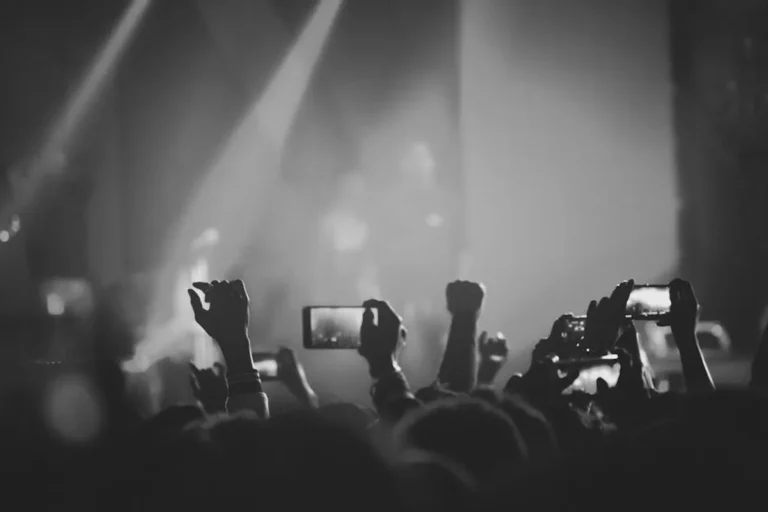
This category focuses on capturing the visceral energy and atmosphere of live music events. These captions aim to transport the viewer directly into the experience, highlighting sensory details like the roar of the crowd, the intensity of the lights, or the specific feeling evoked by a performance. They often use evocative language to convey the excitement and shared passion of a live show, making the audience feel like they were there or wish they had been.
Best For: Live concert photos, festival shots, videos of crowd interactions, or post-event reflections on the overall experience.
Pros: Highly relatable for fellow concert-goers, effectively conveys strong emotions, and often garners significant engagement from those who share similar live music experiences. It builds a sense of camaraderie around shared moments.
Cons: Can become generic if not infused with specific details or unique observations. Without distinct elements, captions risk blending into a sea of similar concert posts.
Verdict: Essential for sharing live music moments, but requires specific detail and emotional language to truly stand out and resonate with an audience beyond a simple attendance record.
2. Lyric-Inspired Captions
Leveraging song lyrics directly connects your visual content with the auditory experience. These captions involve quoting or referencing specific lines that either directly relate to the photo's subject or encapsulate the mood, theme, or personal feeling associated with the image. This approach demonstrates a deeper understanding and appreciation for the artist's work, inviting others to recognize and connect with the chosen words.
Best For: Any music-related photo, particularly those evoking a specific song's emotion, a thoughtful portrait, or a landscape that mirrors a lyrical theme.
Pros: Creates an immediate and profound connection to the music, showcases depth of fandom, and is easily recognizable by other fans. It adds an intellectual or emotional layer to the visual content.
Cons: Risks becoming cliché if overused or if the chosen lyrics are too common without a fresh perspective. Requires accurate lyric recall to maintain credibility.
Verdict: A powerful method to intertwine visuals with auditory narratives, provided the lyrics are carefully selected for their relevance and impact, offering a fresh interpretation rather than just a direct quote.
3. Throwback Music Memories
Nostalgic captions tap into shared histories and personal journeys with music. These posts recall past concerts, significant album releases, or personal musical milestones, often using archival photos or memories. The goal is to evoke a sense of nostalgia, inviting followers to reminisce and share their own past experiences, thereby strengthening community bonds through shared history.
Best For: Old photos from past concerts, #TBT (Throwback Thursday) posts, celebrating anniversaries of album releases, or personal reflections on how music has evolved in your life.
Pros: Evokes strong nostalgia, fosters a sense of community around shared memories, and humanizes the poster by revealing personal history. It encourages reciprocal storytelling from followers.
Cons: Might not resonate as strongly with newer fans who lack the shared historical context. Relies on having accessible archival content or vivid memories to draw from.
Verdict: Highly effective for building connection through shared history and personal narrative, particularly when accompanied by specific dates, venues, or anecdotes that anchor the memory.
4. Artist Appreciation Captions
These captions are dedicated expressions of admiration for a specific musician, band, or their body of work. They go beyond simple praise, often detailing specific aspects of their talent, impact on the listener, or the significance of their contributions to music. The aim is to articulate genuine respect and fandom, potentially attracting attention from the artist's official channels and connecting with other dedicated fans.
Best For: Photos of artists performing, album covers, fan art, or personal reflections on an artist's influence on your life or the broader music landscape.
Pros: Offers direct, heartfelt praise, can attract engagement from the artist's official accounts or fan communities, and helps build a supportive fan base. It positions the poster as a knowledgeable and passionate follower.
Cons: Can sound generic if the praise lacks specific details or unique insights into the artist's work. Risks being perceived as overly fawning if not balanced with genuine critical appreciation.
Verdict: A straightforward and effective way to demonstrate respect and foster connections with other dedicated fans, particularly when specific examples of the artist's impact or skill are highlighted.
5. Music Discovery & Recommendation
This approach positions the content creator as a tastemaker, sharing new artists, songs, or genres they've recently discovered and enjoyed. The captions invite followers to explore these new sounds, often asking for their opinions or similar recommendations. This fosters an interactive environment where music is a shared journey of exploration and mutual discovery.
Best For: Screenshots of current playlists, album art of new releases, photos of listening setups, or concert posters for emerging artists. It’s also effective for sharing 'hidden gems'.
Pros: Positions the poster as a knowledgeable resource, encourages active interaction and new connections, and provides tangible value to followers seeking new music. It generates dynamic discussion.
Cons: Requires ongoing effort to discover and vet new music, and recommendations might not always align with the diverse tastes of all followers. Consistency is key to maintaining credibility.
Verdict: Excellent for cultivating a dynamic, interactive music community and expanding collective musical horizons, especially when paired with brief, compelling reasons for the recommendation.
6. Behind-the-Scenes/Music Creation
These captions offer an exclusive glimpse into the world of music creation, practice, or the instruments themselves. They appeal to curiosity by showing the effort, dedication, and technical aspects involved in making music. This can include photos of instruments, home studios, band practice sessions, or any activity related to the craft of music, providing context and depth.
Best For: Photos of musical instruments, home studio setups, band practice, songwriting sessions, or any activity that illustrates the process of making or preparing music.
Pros: Intriguing for followers, educates the audience about the technical aspects of music, and demonstrates a deeper commitment to the craft. It adds an element of exclusivity and insight.
Cons: Requires access to such scenes or equipment, which might not be available to all music fans. Can sometimes be too niche for a broad audience if not explained clearly.
Verdict: Great for engaging a more technically inclined or curious segment of music fans, providing valuable context and appreciation for the effort behind the sound.
7. Humorous & Witty Music Captions
Injecting humor into captions makes content more approachable and shareable. This involves using puns, relatable music jokes, ironic observations about the music industry or fan culture, or clever wordplay. The goal is to entertain and connect through laughter, showcasing personality and making the content more memorable and viral.
Best For: Casual photos, music-related memes, situations where a lighthearted touch is appropriate, or when making a relatable observation about common fan experiences.
Pros: Highly shareable, significantly increases engagement through laughter, and effectively showcases the poster's personality. It can break the ice and make content more approachable.
Cons: Humor is subjective and might not always land well with every audience segment. Requires a good understanding of comedic timing and audience sensibility to be effective.
Verdict: A powerful tool for increasing virality and relatability when executed carefully, demonstrating a nuanced understanding of music culture and audience preferences.
8. Music as a Lifestyle/Mood
These captions illustrate how music integrates into daily life, setting a mood, accompanying activities, or defining personal moments. It focuses on the emotional and experiential aspect of music, showing how it enhances everyday routines, travel, work, or relaxation. This approach makes music a backdrop to life, making content universally relatable.
Best For: Photos of everyday activities with music playing (e.g., working out, cooking, commuting), travel shots with a soundtrack, or reflective moments accompanied by specific tunes.
Pros: Extremely relatable, personalizes the music experience for the audience, and has broad appeal because it connects music to universal human experiences. It showcases the omnipresence of music.
Cons: Can sometimes feel generic if not tied to a specific artist, genre, or a unique personal anecdote. Risks lacking distinctiveness without a personal angle.
Verdict: Connects music to broader life experiences, making content more accessible and resonant by demonstrating its role in shaping daily moods and activities.
9. Question-Based Engagement Captions
Directly encouraging interaction, these captions pose questions to followers about their musical preferences, experiences, or opinions. This strategy is designed to spark conversations, gather insights, and build a more interactive and participatory community. The questions can range from simple preferences to more in-depth discussions.
Best For: Any music-related photo where the primary goal is to solicit community input, recommendations, or shared experiences. Effective for initiating polls or debates.
Pros: Directly drives comments and engagement, actively builds community, and gathers valuable insights into audience preferences. It fosters a two-way dialogue rather than one-way broadcasting.
Cons: Requires active monitoring and response to comments to maintain engagement. Questions might not always spark significant discussion if they are too generic or uninspired.
Verdict: A direct and highly effective method for boosting interaction and fostering a two-way conversation, provided the questions are thought-provoking and relevant to the audience.
10. Event Promotion/Anticipation
These captions are designed to build excitement for upcoming music-related events, such as concerts, album releases, or festival announcements. They create buzz by sharing details, expressing anticipation, and encouraging followers to participate or attend. This category is time-sensitive and aims to generate immediate interest and action.
Best For: Event posters, countdowns to album releases, photos from previous tours to build hype for new ones, or official artist announcements. Useful for sharing pre-order links or ticket sales.
Pros: Creates significant buzz and excitement, effectively informs followers about important dates, and directly encourages attendance or pre-orders. It capitalizes on immediate relevance.
Cons: Highly time-sensitive, with relevance fading rapidly after the event or release. Requires consistent updates to remain current and engaging.
Verdict: Crucial for driving interest and participation in specific music events, but demands timely posting and clear calls to action to be truly impactful.
11. Genre-Specific Deep Dives
This approach caters to niche interests within the vast world of music, focusing on specific sub-genres, obscure artists, or unique musical movements. Captions delve into the intricacies of a particular style, appealing to highly dedicated fans who appreciate specialized knowledge and discussions. This strategy helps cultivate a loyal, engaged audience within a particular musical niche.
Best For: Photos relevant to a particular niche (e.g., vinyl from a specific sub-genre, festival lineups for an obscure style, independent label album art). Ideal for exploring musical history or theory.
Pros: Attracts highly dedicated and knowledgeable fans, builds a specialized and passionate community, and establishes the poster's expertise within a specific domain. It fosters deep, meaningful discussions.
Cons: Limits broad appeal, potentially alienating general music listeners who are not familiar with the niche. Requires in-depth knowledge to maintain credibility.
Verdict: Ideal for cultivating a loyal, engaged audience within a particular musical niche, provided the content consistently offers specific, informed insights that resonate with that specialized group.
12. Empowering & Motivational Music Quotes
These captions utilize music-related quotes or personal reflections on how music inspires, motivates, or provides comfort. They aim to connect with the audience on a deeper, emotional level, sharing positive vibes and universal truths about the power of sound. This approach often pairs well with thoughtful or aesthetically pleasing visuals.
Best For: Photos with a thoughtful or artistic aesthetic, personal reflection posts, or content designed to inspire and uplift. Can be effective with scenic or abstract imagery.
Pros: Shares positive and inspiring messages, is highly shareable due to its emotional resonance, and connects with an audience on a deeper, more personal level. It positions music as a source of strength.
Cons: Can sometimes feel generic if not tied to a specific personal experience or a unique artist quote. Risks being perceived as superficial without genuine reflection.
Verdict: Effective for inspiring and connecting with an audience on a deeper, more personal level, particularly when the quotes or reflections are genuine and well-integrated with the visual.
Optimizing Your Music Photo Captions for Engagement
Beyond selecting the right caption idea, optimizing its delivery is crucial for maximizing engagement. A strategic hashtag approach involves mixing broad, high-volume tags with niche, specific ones, and even creating unique branded hashtags for campaigns. Emojis can add visual appeal and convey emotion efficiently, breaking up text and making captions more scannable. Always tag relevant artists, venues, and friends to expand reach and encourage sharing. Location tagging is vital for concert photos, connecting your content with local audiences and event-specific feeds. Consistency in posting keeps your audience engaged and anticipating new content. Most importantly, analyze your engagement metrics—likes, comments, shares, and saves—to understand which caption styles and topics resonate most with your audience. Regularly A/B testing different caption lengths, tones, and calls to action provides data-driven insights for continuous improvement.
Frequently Asked Questions
How long should a music photo caption be?
Caption length varies depending on the platform and content. Short, punchy captions work well for quick engagement, while longer captions can tell a story or provide more context. Aim for conciseness but don't shy away from detail when it adds value.
Should I use emojis in my captions?
Yes, emojis can enhance readability and emotional expression. They add visual interest, break up text, and can convey a mood or reaction more quickly than words alone. Use them strategically to complement your message.
How important are hashtags for music photo captions?
Hashtags are critical for discoverability. They categorize your content, making it visible to users searching for specific topics or genres. Use a mix of popular, niche, and unique hashtags to maximize reach.
How can I find new music to caption about?
Explore music blogs, streaming service recommendations, artist social media, and listen to diverse radio stations or podcasts. Attending local shows and festivals is also an excellent way to discover emerging talent.
Is it okay to use lyrics in captions?
Yes, using lyrics is a common and effective way to connect with music fans. Ensure the lyrics are accurate and relevant to your photo or the mood you're conveying. Crediting the artist is also good practice.