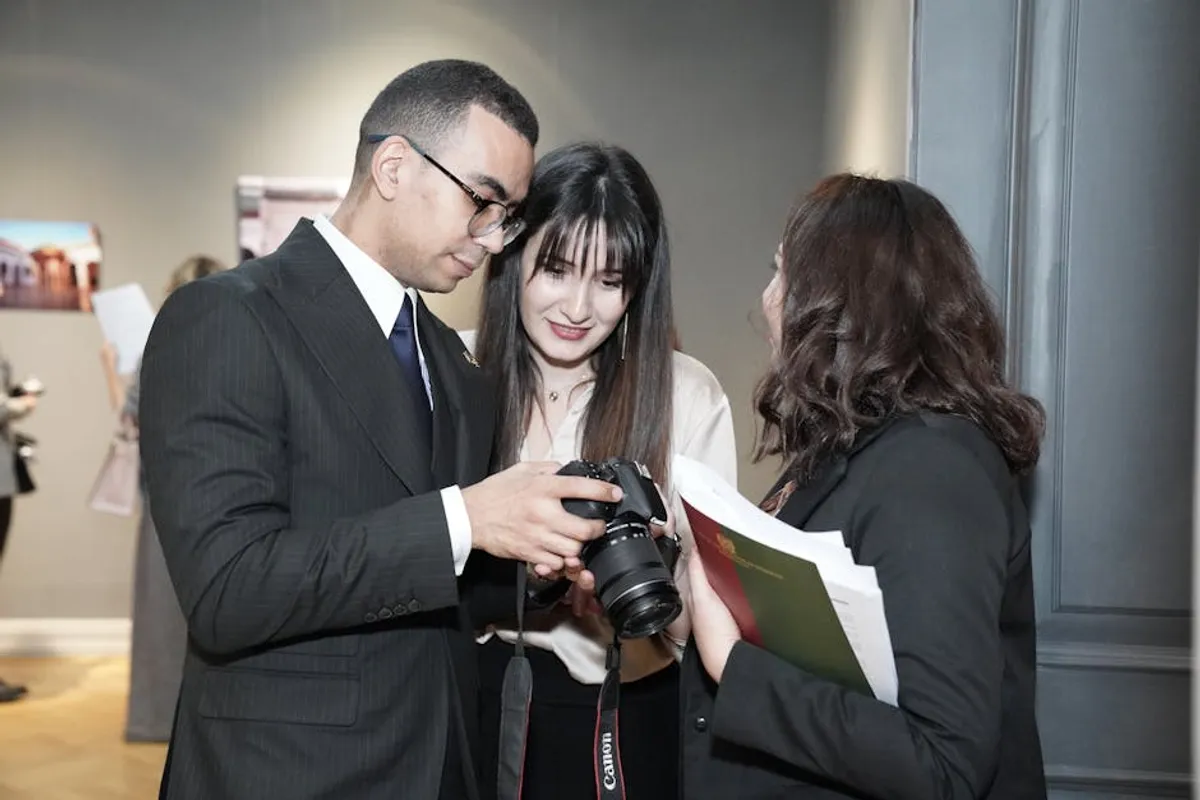
Entering the realm of celebrity photography offers both significant opportunities and distinct challenges for aspiring photographers. Unlike other genres, this field demands not only technical skill but but also an acute understanding of access, ethics, and rapid decision-making in high-pressure environments. For beginners, navigating these complexities requires a strategic approach to equipment, legal considerations, and on-site execution to capture compelling, publishable images.
Understanding the Landscape of Access
Gaining proximity to celebrities is the primary hurdle in this photographic niche. Access typically falls into several categories, each with its own set of rules and photographic opportunities:
- Red Carpet Events: These are highly structured environments where photographers are often credentialed and assigned specific positions. The challenge here is capturing unique expressions or interactions within a crowded, often brightly lit, and fast-paced setting. Success depends on anticipating movement and quick lens changes.
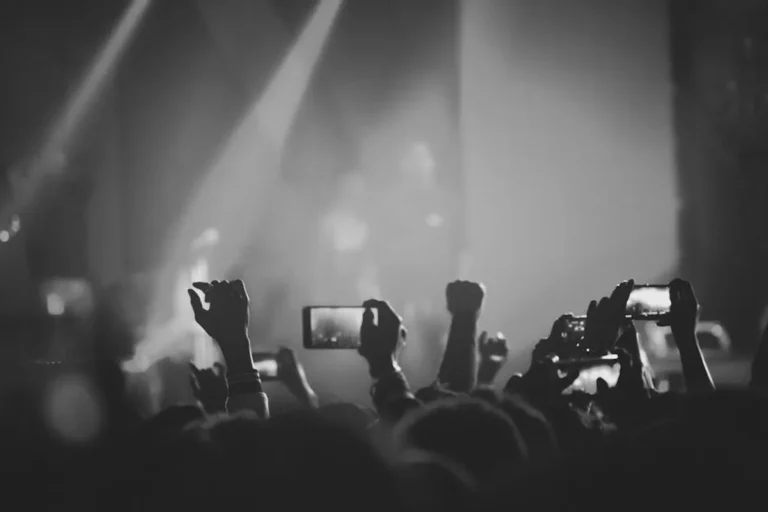
- Public Appearances/Concerts: Similar to red carpets, these events may offer media pits or designated areas. The focus shifts to capturing performance energy or crowd interaction. Long telephoto lenses are critical for reaching subjects from a distance.
- Candid Street Photography: This involves capturing celebrities in their daily lives. This approach carries significant ethical and legal considerations regarding privacy and consent, varying by jurisdiction. It often requires discretion, patience, and a fast, unobtrusive setup.
- Staged Shoots/Interviews: These are controlled environments, often arranged by publicists or media outlets. Beginners typically gain access through assisting established photographers or by building a portfolio that attracts editorial commissions. This offers the most control over lighting, posing, and composition.
Key takeaway: Research event types and credentialing processes extensively before attempting to shoot. Networking with event organizers and publicists can open doors to legitimate access points.
Essential Gear for the Aspiring Celebrity Photographer
While advanced equipment helps, a beginner can start with a solid foundation. Focus on versatility and reliability:
Camera Body: A modern DSLR or mirrorless camera with good low-light performance and a fast autofocus system is crucial. Models offering high frames per second (FPS) can be advantageous for capturing fleeting moments.
Lenses:
- Telephoto Zoom (e.g., 70-200mm f/2.8): Indispensable for red carpets and public appearances, allowing you to fill the frame from a distance and achieve pleasing background blur. The wide aperture is vital for low-light conditions.
- Mid-Range Zoom (e.g., 24-70mm f/2.8): Versatile for closer interactions, group shots, or staged environments where you have more control over distance.
- Fast Prime Lens (e.g., 50mm f/1.4 or f/1.8): Excellent for low-light situations, creating shallow depth of field, and often more compact for discreet shooting.
Accessories:
- Extra Batteries: Events are long, and power outlets are scarce.
- High-Capacity Memory Cards: Fast write speeds are essential for continuous shooting.
- Monopod/Tripod: For stability with heavy telephoto lenses, especially in fixed positions.
- External Flash (Speedlight): For fill light in challenging conditions, though often restricted in certain venues.
Commercial consideration: Investing in robust, reliable gear minimizes technical failures during critical moments, ensuring you capture marketable images. Renting high-end lenses for specific events can be a cost-effective strategy before committing to a purchase.
Mastering On-Location Capture
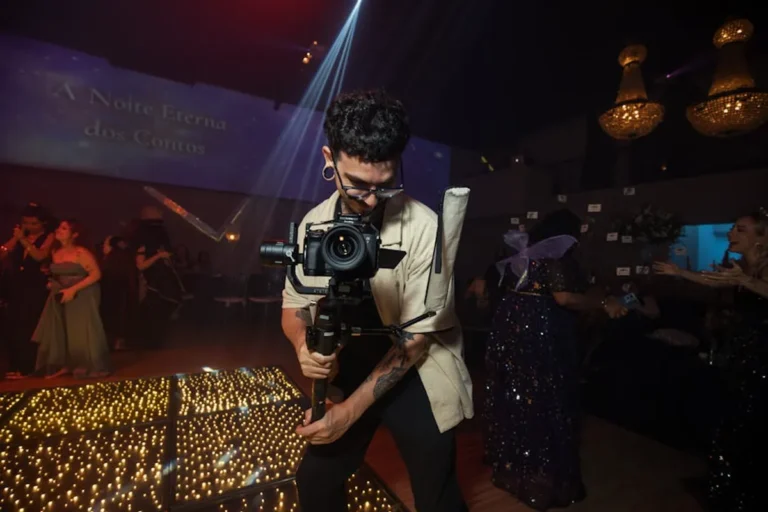
Once on site, execution determines the quality and uniqueness of your shots. This involves a blend of technical skill and situational awareness.
Anticipation and Timing
Celebrity photography is often about predicting moments. Observe body language, track eye lines, and listen for cues from publicists or event staff. A genuine laugh, a candid interaction, or a unique pose lasts only a fraction of a second. Use continuous shooting mode to increase your chances of capturing the decisive moment.
Lighting Challenges
You rarely control the lighting. Red carpets often have multiple strobes, leading to harsh shadows or blown-out highlights. Concerts are dark with dynamic stage lighting. Learn to adjust your camera settings (ISO, aperture, shutter speed) rapidly. For fill light, understand how to bounce or diffuse your speedlight effectively, if permitted.
Composition for Impact
Beyond simply getting the celebrity in frame, focus on compelling composition. Look for clean backgrounds, use leading lines, and apply the rule of thirds. Capture a range of shots: full-body, waist-up, and tight portraits. Pay attention to expressions and interactions with others. A unique angle or an unexpected moment can make an image stand out in a sea of similar shots.
Pro Tip: Always verify usage rights and permissions before publishing celebrity images. Unauthorized use can lead to legal disputes and damage your professional reputation, particularly for candid shots taken without consent or for commercial purposes outside editorial news.
Navigating Post-Production and Image Rights
The work doesn't end when you leave the event. Post-production is where your raw captures are refined into publishable assets, and understanding image rights dictates their commercial value.
Culling and Selection
Efficiently review hundreds or thousands of images immediately after a shoot. Select only the sharpest, most impactful, and emotionally resonant shots. Be ruthless in your culling; a strong edit elevates your entire portfolio.
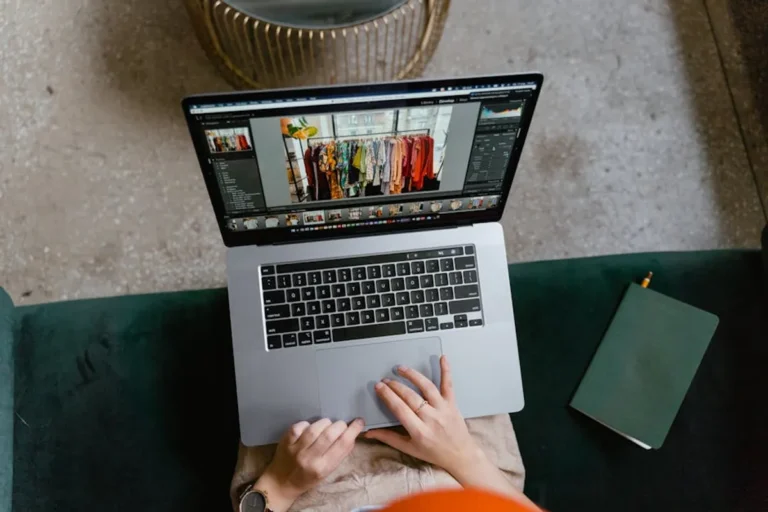
Basic Editing Workflow
Focus on essential adjustments:
- Exposure Correction: Balance highlights and shadows.
- White Balance: Ensure accurate color representation, correcting for mixed lighting.
- Cropping and Straightening: Refine composition and correct any tilt.
- Sharpening: Enhance detail, but avoid over-sharpening which can introduce artifacts.
- Noise Reduction: Manage grain from high ISO shots, if necessary.
Avoid heavy retouching that alters a celebrity's appearance, especially for editorial work, as authenticity is paramount.
Watermarking and Delivery
For proofing or online display, apply a subtle watermark to protect your work. When delivering final images to clients or agencies, ensure they are high-resolution, color-profiled, and meet specific file format requirements.
Understanding image rights: Generally, photographers own the copyright to their images. However, the commercial use of celebrity images is complex. Editorial use (for news or commentary) is often protected by freedom of the press, but commercial use (advertising, endorsements) almost always requires explicit permission from the celebrity or their representatives. Licensing images to reputable agencies can help navigate these complexities and monetize your work.
Building Your Professional Footprint
To transition from beginner to a recognized professional, strategic networking and portfolio development are essential.
Showcasing Your Best Work
Create a dedicated online portfolio focusing exclusively on your celebrity photography. Include only your strongest, most unique images. Organize it clearly, demonstrating your ability to capture various event types and expressions. A professional website reinforces your credibility.
Networking with Publicists and Agencies
Attend industry events, connect on professional platforms, and respectfully introduce yourself to publicists, talent managers, and photo agencies. These relationships are critical for gaining legitimate access and securing assignments. Demonstrate reliability and discretion.
Understanding the Market
Research which agencies license celebrity images and what types of shots they seek. Understand the difference between editorial and commercial licensing fees. Consistently producing high-quality, unique images increases your chances of attracting agency representation and direct commissions.
Your Path Forward in Celebrity Photography
Embarking on celebrity photography as a beginner demands patience, persistence, and a commitment to continuous learning. Focus on mastering your equipment, understanding the nuanced environments you'll operate in, and diligently refining your post-production workflow. Crucially, prioritize ethical conduct and a thorough understanding of image rights to protect both your subjects and your professional standing. By building a strong portfolio and fostering key industry relationships, you position yourself to capture those sought-after, impactful images that define the genre.
Frequently Asked Questions
What is the most crucial skill for a beginner in celebrity photography?
Beyond technical camera skills, the most crucial skill is anticipation. Being able to predict a celebrity's movements, expressions, or interactions allows you to capture decisive, unique moments that others might miss.
How do I gain access to exclusive events as a new photographer?
Begin by seeking credentials for smaller, local events or public appearances. Build a strong portfolio from these opportunities, then use it to apply for media passes to larger, more exclusive events. Networking with publicists and event organizers is also vital for establishing trust and gaining future access.
What are the primary legal considerations for celebrity photos?
The main considerations are privacy and usage rights. While editorial use (news reporting) of photos taken in public spaces is often permissible, commercial use (advertising, endorsements) typically requires explicit consent from the celebrity. Laws vary by region, so understanding local regulations is essential.
Should I watermark all my celebrity photos?
For online portfolios or sharing proofs, a subtle watermark can protect your work. However, for final images delivered to clients or agencies, watermarks are generally removed. Always discuss watermarking preferences with your clients or licensing agencies.