
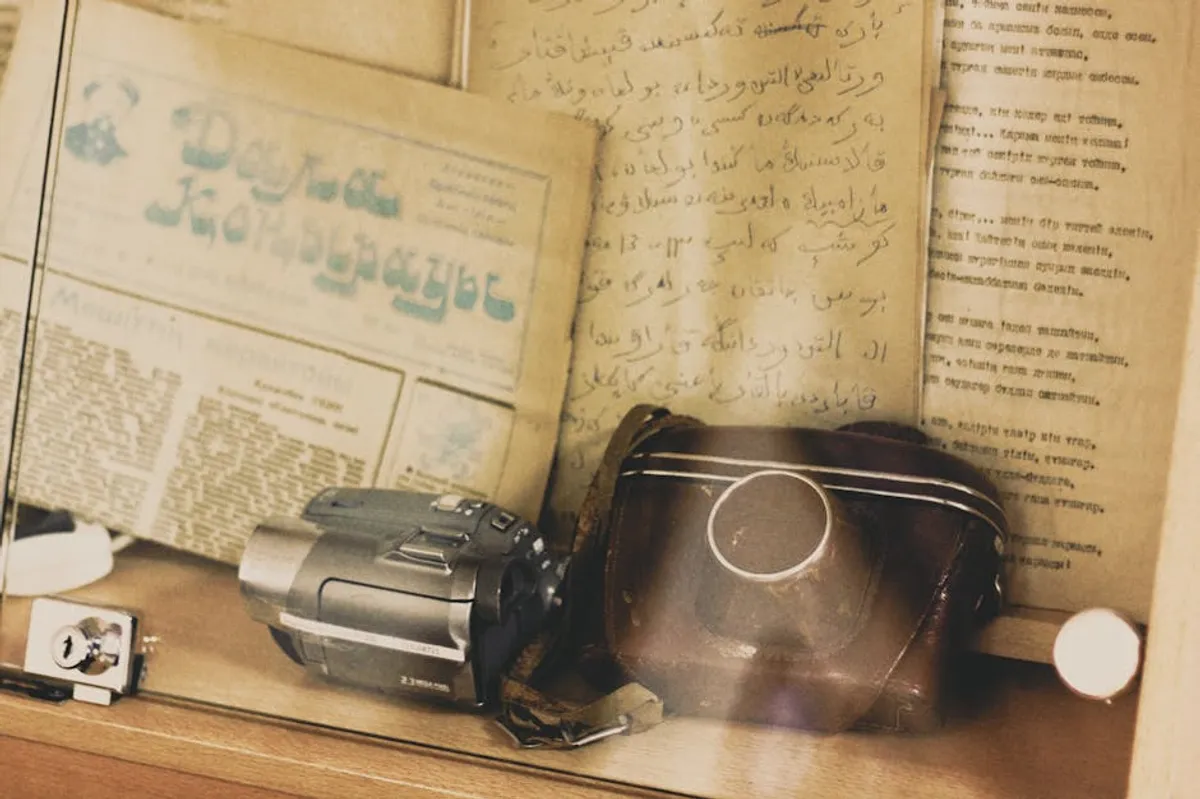
Photography transcends mere visual representation; it functions as a critical mechanism for safeguarding the intangible and tangible aspects of human culture and community identity. For organizations dedicated to heritage, education, or social cohesion, understanding photography's role in preservation offers strategic pathways for engagement, archival development, and narrative control. This is not simply about capturing images, but about constructing a visual lineage that informs, educates, and connects past generations with present and future ones, embedding a sense of belonging and historical continuity.
Documenting Cultural Practices and Rituals
Visual documentation through photography provides an irreplaceable record of cultural practices, traditions, and rituals that might otherwise fade or transform without explicit historical reference. Ethnographic photography, in particular, focuses on capturing the nuances of daily life, ceremonies, and social interactions, offering a detailed account for study and remembrance. This meticulous visual archiving is crucial for academic research, cultural revitalization efforts, and for communities seeking to educate younger generations about their heritage.
The Value of Longitudinal Photographic Projects
Longitudinal projects, where photographers document a community or cultural practice over extended periods, offer unique insights into evolution and persistence. These series reveal subtle changes in attire, environment, social dynamics, and ritual execution, providing a dynamic historical record. For cultural institutions, commissioning or supporting such projects ensures a deeper, more contextualized understanding of cultural phenomena, enhancing the authenticity and depth of their collections.
Building and Reinforcing Community Identity
Photographs serve as powerful affirmations of collective identity. By visually chronicling shared experiences, local events, and the faces of community members, photography helps to solidify a sense of belonging and mutual recognition. Community archives, often built from donated family photographs or organized photographic initiatives, become vital repositories of shared memory, accessible to all who identify with that collective heritage.
Impact on cohesion: Visual narratives of community resilience, celebration, and everyday life foster pride and reinforce social bonds. These images can be leveraged in local publications, exhibitions, and digital platforms to strengthen community engagement and attract external interest. For marketers, understanding these visual narratives offers authentic avenues for connecting with local audiences and demonstrating corporate social responsibility.
Photography as a Historical Archive and Educational Tool
Beyond current practices, photography creates an enduring historical archive. Images from past eras offer direct visual evidence of historical events, architectural changes, technological advancements, and societal shifts. This visual data complements written records, often providing context and emotional resonance that text alone cannot convey. For educators, these archives are invaluable primary sources, making history tangible and relatable for students.
- Preserving architectural heritage: Photographs document buildings, public spaces, and infrastructure, tracking urban development or the decay and restoration of historical sites.
- Recording social change: Images capture shifts in fashion, labor practices, social movements, and demographic changes, providing visual evidence for sociological studies.
- Documenting intangible heritage: While challenging, photography can illustrate performances, oral traditions, and craftsmanship, giving visual form to otherwise ephemeral cultural expressions.
Pro Tip: When establishing or contributing to photographic archives for cultural preservation, prioritize robust metadata. Each image should be meticulously tagged with details including date, location, subjects (with consent, where appropriate), photographer, and descriptive keywords. This ensures future discoverability, contextual understanding, and long-term utility, preventing images from becoming orphaned data without historical value.
Challenges and Ethical Considerations in Visual Preservation
The act of photographing culture and community memory is not without its complexities. Ethical considerations surrounding consent, representation, and ownership are paramount. Photographers and organizations must navigate issues of cultural sensitivity, ensuring that images are captured and disseminated respectfully and accurately, avoiding misinterpretation or exploitation. Digital preservation also presents challenges, including file format obsolescence, data storage longevity, and cybersecurity.
Ensuring Authentic and Respectful Representation
Authenticity demands a collaborative approach. Engaging community members in the photographic process—from conceptualization to final selection—helps ensure that the visual narrative genuinely reflects their perspectives and values. This participatory methodology builds trust and empowers communities to control their own visual legacy, mitigating the risk of external narratives being imposed upon them.
Implementing Visual Preservation Initiatives
For organizations, establishing a clear strategy for visual preservation is critical. This involves not only the act of photography but also the systematic organization, storage, and accessibility of images. Digital asset management (DAM) systems are essential for handling large volumes of photographic data, ensuring proper indexing, backup, and rights management. Partnerships with local historians, cultural centers, and academic institutions can provide expertise and resources for effective archiving and dissemination.
Key considerations for initiatives:
- Archival standards: Adhere to recognized archival practices for digital and physical media.
- Accessibility: Plan for public access, whether through online databases, exhibitions, or educational programs.
- Funding: Secure grants, sponsorships, or community funding for long-term project sustainability.
- Legal and ethical frameworks: Develop clear policies for consent, copyright, and data privacy.
Strategic Visual Archiving for Future Generations
Photography's capacity to preserve culture and community memory is a strategic asset for any entity invested in heritage, education, or social development. By thoughtfully integrating photographic documentation into their operations, organizations can create rich, accessible visual histories that not only inform but also inspire. This proactive approach to visual archiving ensures that the stories, traditions, and identities of communities endure, offering invaluable resources for research, education, and collective identity for generations to come. The long-term value extends beyond mere documentation, contributing to cultural resilience and informed public discourse.
Frequently Asked Questions
What types of photography are most effective for cultural preservation?
Ethnographic photography, documentary photography, and photojournalism are highly effective, as they focus on capturing authentic daily life, rituals, events, and the human experience within a cultural context. Archival photography of objects and architecture also plays a crucial role.
How can communities ensure their photographic archives are accessible and sustainable?
Communities should adopt standardized digital asset management (DAM) practices, including proper metadata tagging, regular backups to multiple secure locations, and migration to stable file formats. Partnering with local libraries, museums, or universities for long-term hosting and expertise can also enhance sustainability and accessibility.
What are the ethical responsibilities of photographers documenting cultural practices?
Key responsibilities include obtaining informed consent from subjects, ensuring accurate and respectful representation, understanding and honoring cultural sensitivities, and clearly defining image usage rights. Photographers should prioritize collaboration and empowerment within the communities they document.
Can digital photography effectively preserve culture and memory long-term?
Yes, digital photography offers significant advantages for long-term preservation, including high-resolution capture, ease of duplication for backup, and global accessibility. However, it requires proactive digital asset management, including migration strategies for evolving file formats and robust storage solutions, to counteract technological obsolescence.