
Photography serves as an indispensable archival mechanism for pop culture, transforming fleeting moments into enduring historical records. For SEO professionals, marketers, and publishers, understanding this function reveals critical opportunities in content strategy, intellectual property management, and long-term brand narrative development. Visual documentation provides tangible assets that inform cultural analysis, drive engagement, and establish authenticity, offering a direct link to the emotional and historical resonance of past eras. The commercial utility lies in the capacity of these images to contextualize trends, support journalistic endeavors, and provide licensable content that connects contemporary audiences with historical touchstones.
Visual Documentation as Primary Source Material
The immediate and undeniable power of photography lies in its ability to freeze time, capturing events, styles, and personalities exactly as they appeared. This makes photographic archives primary source material for anyone studying or referencing pop culture, from academic researchers to commercial content creators.
Capturing Ephemeral Moments
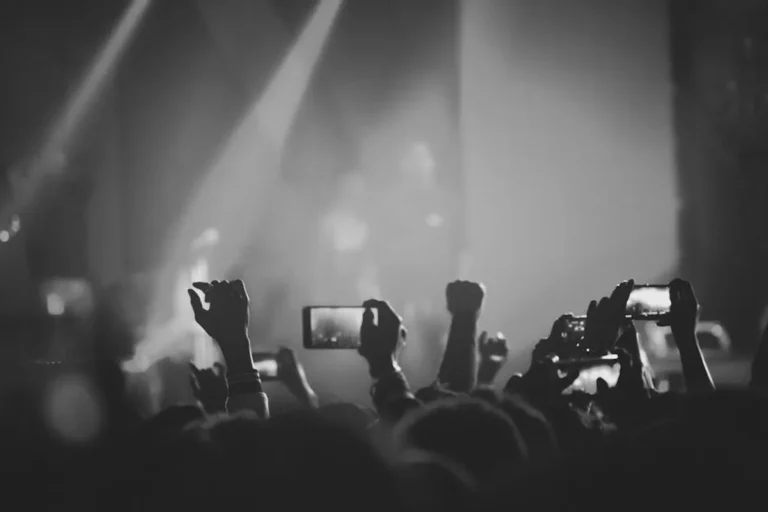
Pop culture is inherently dynamic, characterized by rapid shifts in trends, performances, and public figures. Photography arrests this transience, providing concrete evidence of what once was. Think of the evolution of concert photography, which documents not just the artists, but also audience reactions, stage designs, and fashion trends of specific eras. These images become historical markers, allowing for precise dating and contextualization of cultural phenomena. Without photographic records, much of the visual lexicon of music festivals, street fashion, or ephemeral art installations would be lost to collective memory, making accurate historical content creation impossible.
Branding and Iconography Through the Lens
Iconic pop culture figures, products, and movements are often defined by their visual representation. Photography plays a direct role in creating and disseminating these visual identities. A single photograph can encapsulate an entire movement or define an artist's persona, becoming a recognizable brand asset. For instance, album covers, movie posters, and celebrity portraits are not merely promotional materials; they are carefully crafted visual statements that become synonymous with the cultural product itself. These images are then referenced, parodied, and celebrated for decades, generating ongoing engagement and commercial value through merchandising, re-releases, and commemorative content. The visual shorthand provided by these photographs allows for instant recognition and emotional recall, which is invaluable for marketing and brand building.
The Role of Photography in Shaping Narratives
Beyond simple documentation, photography actively participates in shaping and disseminating pop culture narratives. It dictates what is seen, how it is perceived, and ultimately, how it is remembered.
From Fan Culture to Global Phenomena
Photographs have always been instrumental in spreading pop culture across geographical and social divides. Before digital media, magazines and newspapers used photography to introduce new trends, artists, and styles to mass audiences. Today, social media platforms amplify this effect, with images and videos rapidly turning niche interests into global phenomena. Fan-generated photography, often shared online, creates a collective visual history that reinforces community bonds and drives engagement around shared cultural touchstones. This visual dissemination is crucial for understanding the rapid virality and wide adoption of pop culture elements, from K-Pop aesthetics to specific gaming subcultures.
Archiving Subcultures and Counter-Movements
Many significant pop culture shifts originate in subcultures and counter-movements, often existing outside mainstream media for a period. Photography has historically been the primary medium for documenting these nascent movements, capturing their unique aesthetics, rituals, and philosophies. From punk rock's DIY ethos to the vibrant street art scene, photographers have acted as chroniclers, preserving the visual evidence of these groups. These archives become invaluable for understanding the origins of mainstream trends, providing rich context for cultural historians, trend forecasters, and brands looking to tap into authentic cultural roots. They offer a visual roadmap of how fringe ideas eventually permeate wider society, influencing fashion, music, and social attitudes.
Commercial and Educational Value of Photographic Archives
The preserved photographic history of pop culture holds significant commercial and educational value, serving various industries and academic fields.
Licensing and Rights Management
Photographic archives of pop culture are a substantial economic asset. Images depicting historical events, celebrity portraits, or iconic cultural moments are frequently licensed for use in documentaries, advertising campaigns, books, and merchandise. This licensing generates revenue for rights holders and provides content creators with authentic visual assets. Effective metadata tagging, clear rights ownership, and robust digital asset management systems are critical for maximizing the commercial potential of these archives. The demand for authentic, historically relevant imagery remains high across media, making these collections a continuous source of value.
Academic Research and Cultural Studies
For academics, pop culture photography offers a rich vein of data for studying societal shifts, consumer behavior, and artistic evolution. Researchers use these images to analyze fashion trends, political iconography, celebrity worship, and the representation of various demographics over time. These visual records provide empirical evidence for theories in sociology, anthropology, media studies, and art history, contributing to a deeper understanding of human culture and its commercial implications. The ability to visually trace the development of cultural phenomena through photographs is indispensable for rigorous scholarship.
Restoration and Digital Preservation
The long-term value of pop culture photography depends heavily on effective preservation. Physical photographs degrade over time, requiring specialized restoration techniques. Digitalization projects are crucial for ensuring accessibility and longevity, converting fragile originals into durable digital files. This process involves high-resolution scanning, meticulous metadata creation, and secure digital storage. These efforts ensure that future generations, including marketers and content creators, can access and utilize these historical assets, maintaining their commercial and cultural relevance.
Pro Tip for Archiving: When preserving pop culture photography, prioritize comprehensive metadata. Include dates, locations, subjects, photographers, and descriptive keywords. This meticulous tagging is crucial for future discoverability, licensing, and ensuring the images can be accurately integrated into historical narratives or commercial projects. Without detailed metadata, even the most iconic images risk becoming lost or uncontextualized in vast digital archives, significantly diminishing their commercial and historical utility.
Strategic Implications for Content Creators and Marketers
Leveraging pop culture photography effectively can significantly enhance content authenticity, audience engagement, and brand storytelling.
- Authenticity in Storytelling: Use historical photographs to ground narratives in real-world context, lending credibility to content about past trends, events, or personalities.
- SEO Value through Visuals: Optimize image metadata with relevant keywords related to pop culture eras, figures, or events. This improves search visibility for content relying on historical visuals.
- Licensing and Rights Awareness: Always verify usage rights for historical images. Proper licensing protects against legal issues and supports the photographers and archives preserving these assets.
- Nostalgia Marketing: Employ iconic pop culture images to evoke nostalgia, a powerful emotional driver for audience engagement and brand loyalty, particularly with older demographics.
- Trend Analysis: Study photographic archives to identify recurring visual themes, fashion cycles, and aesthetic shifts. This informs future content creation and product development strategies.
- Educational Content Development: Create rich, visually driven educational content that explains cultural phenomena, using photography as primary evidence to illustrate points.
Practical Applications for Cultural Preservation
The preservation of pop culture through photography isn't merely an academic exercise; it has direct, practical applications across various sectors. For museums and cultural institutions, these archives form the bedrock of exhibitions and educational programs, drawing visitors and fostering public engagement. For media companies, they provide a continuous stream of content for documentaries, articles, and social media campaigns that resonate with broad audiences. Brands utilize these images to establish heritage, connect with specific consumer segments, and create compelling marketing narratives that tap into collective memory. Ultimately, photography ensures that the visual legacy of pop culture remains accessible and actionable, influencing contemporary trends while informing future generations.
Frequently Asked Questions
Why is photography considered a primary source for pop culture history?
Photography captures moments as they happen, providing direct visual evidence of events, fashion, people, and places. Unlike secondary accounts, photographs offer an unfiltered glimpse into the past, making them invaluable for historical research and content creation.
How do photographic archives of pop culture generate commercial value?
These archives generate commercial value primarily through licensing. Media outlets, advertisers, and merchandise companies pay to use historical images in their projects, leveraging their authenticity and nostalgic appeal to connect with audiences and enhance their content.
What role does metadata play in preserving and utilizing pop culture photography?
Metadata, such as dates, locations, subjects, and keywords, is crucial for organizing, searching, and contextualizing photographic archives. It ensures images are discoverable for researchers and commercial users, facilitating proper attribution and rights management, which is essential for monetization and historical accuracy.
How does digital preservation contribute to the longevity of pop culture photography?
Digital preservation involves scanning physical photographs into high-resolution digital files and storing them securely. This protects fragile originals from degradation, ensures long-term accessibility, and allows for global distribution, making these vital cultural records available for future study and commercial use.