Urban landscapes, often characterized by repetitive architecture and functional infrastructure, frequently struggle to establish unique identities. For city planners, developers, and community leaders, the challenge lies in transforming these undifferentiated zones into vibrant, memorable destinations that attract residents, tourists, and investment. Public art offers a potent, often underutilized, mechanism for this transformation, moving beyond mere decoration to fundamentally alter perception, drive economic activity, and foster a strong sense of place. Understanding the strategic application of public art is crucial for anyone looking to elevate an ordinary street into a recognized landmark.
Defining Public Art's Transformative Power
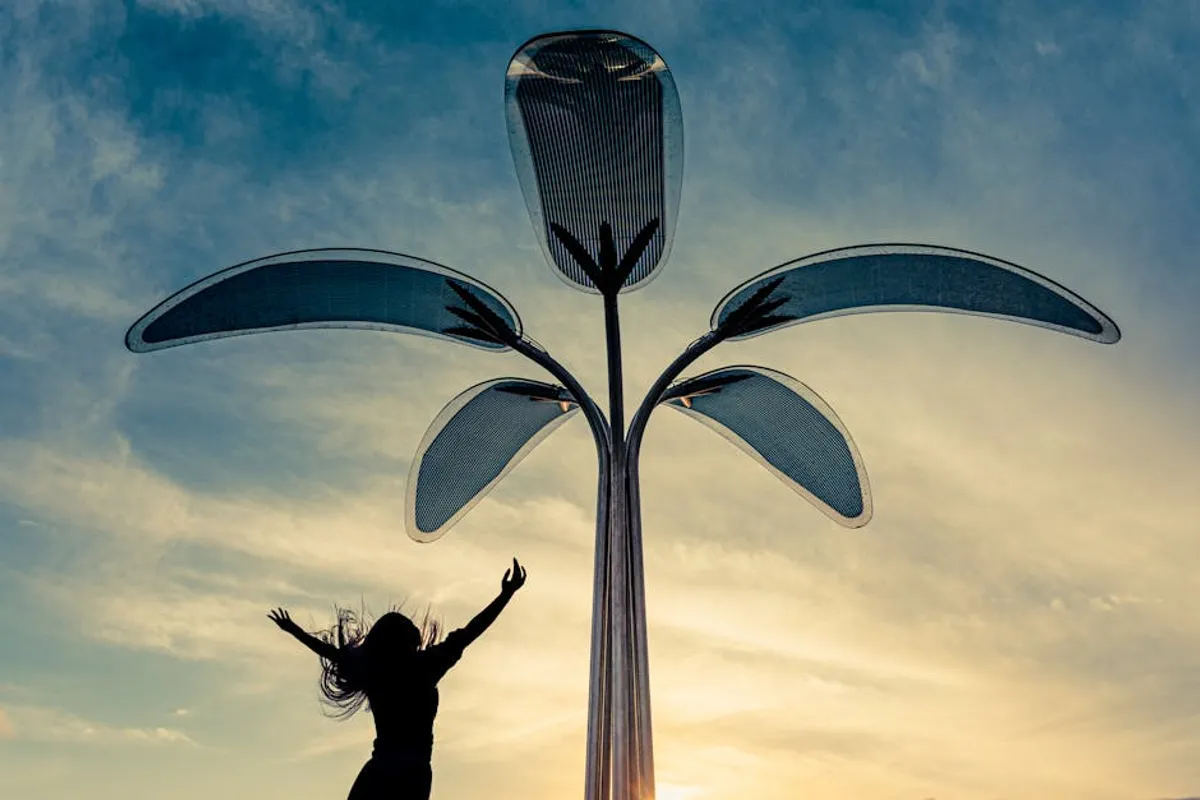
Public art, in this context, encompasses a broad spectrum of artistic interventions situated in publicly accessible spaces. This includes monumental sculptures, expansive murals, interactive installations, light projections, and even thoughtfully designed street furniture that integrates artistic elements. Its transformative power stems from its ability to disrupt visual monotony and introduce unexpected points of interest. Unlike gallery art, public art is experienced in situ, often as part of daily routines, allowing for a deeper, more organic integration into the urban fabric. It acts as a catalyst, shifting a street's primary function from a transit corridor to a destination in its own right.
The impact extends beyond immediate visual appeal. Effective public art projects engage with the local history, culture, or aspirations of a community, embedding narrative and meaning into the physical environment. This contextual relevance is what distinguishes truly transformative art from mere ornamentation. When art reflects or shapes a community's identity, it becomes an integral part of its story, fostering connection and pride among residents and offering visitors an authentic experience.
The Mechanics of Landmark Creation
The process by which public art elevates a street to landmark status involves several interconnected mechanisms, each contributing to enhanced visibility, recognition, and value.
Visual Anchoring and Wayfinding
A distinctive piece of public art serves as an immediate visual anchor within a streetscape. In areas lacking prominent architectural features, a striking sculpture or a vibrant mural can become the primary point of reference. This visual prominence aids in wayfinding, making a location easier to describe, remember, and navigate. People naturally orient themselves around unique visual cues, and public art provides these with an artistic flair that standard signage cannot replicate. For businesses, this means increased discoverability; for residents, a clearer mental map of their neighborhood.
Placemaking and Identity Formation
Placemaking is the intentional design of public spaces to serve the needs and aspirations of a community. Public art is a critical tool in this process, imbuing a location with a unique character and narrative. A street with a series of historical murals tells a story, while one featuring avant-garde installations projects a contemporary, innovative image. This artistic overlay helps to define a street's identity, differentiating it from adjacent areas and creating a strong sense of place. This identity, in turn, can be leveraged in marketing and branding efforts for the entire district, attracting specific types of businesses, events, and residents who resonate with that character.
Economic Catalysis
The transformation of a street into a landmark through public art has tangible economic benefits. Increased foot traffic is a direct consequence, as people seek out and engage with the art. This heightened pedestrian activity directly benefits local businesses, from cafes and retail shops to galleries and service providers. Property values in areas enhanced by significant public art often see an uplift, reflecting the improved aesthetic and cultural amenity. Furthermore, landmark streets become attractive venues for events, festivals, and film shoots, generating additional revenue and further cementing their status as cultural hubs.
Pro Tip: When commissioning public art for economic impact, prioritize pieces that encourage interaction or provide photogenic backdrops. Art that invites engagement—whether through touch, sound, or simply as a popular photo opportunity—generates organic social media buzz, extending its reach and drawing more visitors to the location without additional marketing spend.
Strategic Integration for Maximum Impact
For public art to genuinely transform a street into a landmark, its integration must be strategic and thoughtful, moving beyond arbitrary placement.
Community Engagement and Ownership
The most successful public art projects involve the local community from conception through execution. Engaging residents, local businesses, and cultural organizations ensures the art resonates with the existing social fabric and addresses specific community needs or desires. This collaborative approach fosters a sense of ownership and pride, leading to greater acceptance, better maintenance, and sustained appreciation for the artwork. When a community feels invested, the art becomes 'their' landmark.
Curation and Context
The selection and placement of public art require careful curation. The chosen artwork must align with the street's existing character, architectural style, and historical context, or purposefully contrast it to create a deliberate statement. An abstract sculpture might thrive in a modern business district, while a figurative mural could better suit a historic neighborhood. Understanding pedestrian flow, sightlines, and the scale of the surrounding environment ensures the art is optimally experienced and contributes positively to the overall streetscape.
Maintenance and Longevity
A landmark status is not permanent; it requires sustained effort. Robust plans for the long-term maintenance, conservation, and occasional refurbishment of public art are essential. Neglected or damaged artwork quickly detracts from a street's appeal and undermines its landmark potential. Funding for ongoing care should be factored into the initial project budget, ensuring the art remains a source of pride and attraction for decades.
Measuring the Transformation
Quantifying the impact of public art is essential for justifying investment and demonstrating its value. Metrics can include:
- Foot Traffic Data: Utilize pedestrian counters before and after installation to track increases.
- Social Media Engagement: Monitor hashtags, geotags, and mentions related to the artwork and its location.
- Local Business Revenue: Collect sales data from surrounding establishments to observe economic uplift.
- Property Value Appreciation: Analyze real estate trends in the immediate vicinity.
- Community Surveys: Gauge resident satisfaction, sense of pride, and perceived safety improvements.
- Media Coverage: Track local and national press mentions, demonstrating increased visibility.
These metrics provide concrete evidence of public art's capacity to drive both cultural enrichment and economic revitalization, solidifying a street's transformation into a recognized landmark.
Cultivating Landmark Streets Through Art
Transforming an ordinary street into a landmark through public art is a strategic investment in urban identity and economic vitality. It requires a holistic approach that moves beyond aesthetic considerations to embrace community engagement, contextual relevance, and long-term stewardship. For urban planners, developers, and community stakeholders, the key lies in viewing public art not as an optional embellishment, but as a fundamental component of placemaking and a powerful engine for creating memorable, economically robust urban environments. By carefully curating and integrating art, streets can evolve from mere conduits of movement into cherished destinations that define a city's character and attract sustained interest.
Frequently Asked Questions
What types of public art are most effective for placemaking?
The most effective public art for placemaking often includes murals that tell local stories, interactive sculptures that invite engagement, and large-scale installations that create a sense of awe or wonder. The key is relevance to the location and the ability to generate conversation or interaction.
How are public art projects typically funded?
Funding for public art projects can come from various sources, including municipal budgets, grants from arts councils and foundations, private donations, corporate sponsorships, and developer contributions, often mandated by "percent for art" programs in urban planning.
What are the primary challenges in implementing public art projects?
Key challenges include securing adequate funding, navigating complex permitting processes, gaining community consensus, ensuring long-term maintenance, and selecting art that is durable and appropriate for public exposure while still being artistically significant.
How does public art contribute to a city's brand identity?
Public art contributes significantly by creating unique visual identifiers and cultural narratives that differentiate a city. It shapes perceptions, attracts specific demographics, and can become synonymous with a city's progressive, artistic, or historically rich character, enhancing its overall brand appeal to tourists and investors alike.