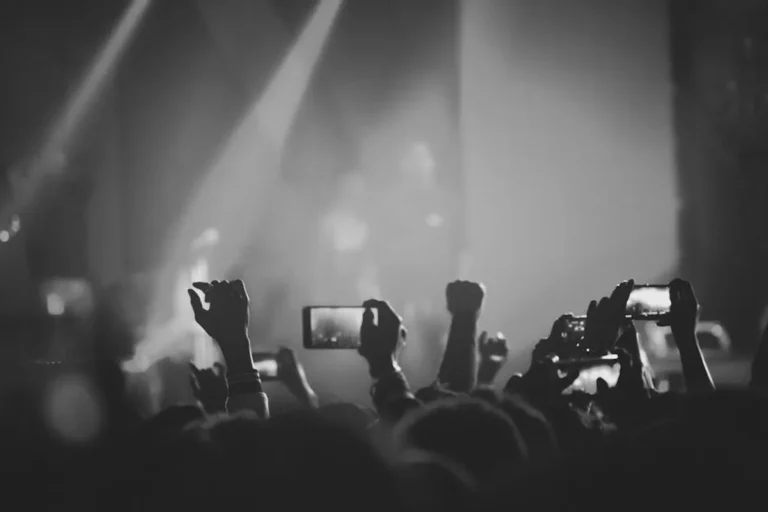
Concert photography captures fleeting moments of raw energy and performance, but the visual impact alone is often insufficient for maximizing reach and engagement. A compelling photograph requires an equally compelling caption to provide context, drive discoverability, and foster a deeper connection with the audience. Effective captioning transforms a standalone image into a narrative asset, crucial for photographers, venues, artists, and marketers aiming to extend the life and value of their visual content across digital platforms.
The Strategic Value of Concert Photo Captions
Captions are not mere descriptions; they are integral components of a content strategy, serving multiple commercial and communicative functions. Their strategic application directly influences how widely a photo is seen, understood, and acted upon.
Enhancing Discoverability and Search Visibility
For search engines and social media algorithms, images alone convey limited textual information. Captions provide the critical text layer that allows your concert photos to be found. Including relevant keywords such as the artist's full name, band, venue, tour name, and specific date or city makes the content searchable. This is particularly vital for long-tail queries where users might be looking for "photos of [artist name] at [venue name] [year]." Neglecting this aspect means photos often remain unseen by their most interested audiences.
Driving Audience Engagement and Connection
A well-crafted caption adds a human element, inviting viewers beyond passive observation. It can evoke emotions, share an anecdote from the performance, or highlight a specific moment. Engagement metrics—likes, shares, comments, saves—are significantly boosted when captions prompt interaction. Questions like "What was your favorite song?" or "Tag a friend who was there!" transform viewers into participants, extending the photo's organic reach.
Providing Context and Authenticity
Concert photos often capture intense, dynamic scenes that can be ambiguous without explanation. A caption clarifies who, what, when, and where, grounding the image in reality. This contextual layer builds authenticity, especially when sharing behind-the-scenes glimpses or unique perspectives that only a photographer might capture. Authenticity, in turn, builds trust and authority for the content creator. This contextual layer builds authenticity, especially when sharing behind-the-scenes glimpses or unique perspectives that only a photographer might capture, effectively building an authentic narrative for your audience.
Crafting Effective Captions: A Practical Framework
Developing strong concert photo captions requires a systematic approach, blending factual accuracy with creative storytelling and strategic keyword integration.
Essential Elements for Every Caption
Start with the fundamental facts. These are non-negotiable for clarity and searchability:
- Artist/Band Name: Full, correct spelling. Include aliases if relevant.
- Venue Name: Specific location, including city and state if necessary.
- Date of Performance: Day, month, and year.
- Event/Tour Name: If applicable, e.g., "The [Tour Name] Tour."
- Photographer Credit: Always attribute the photographer clearly.
Example: "Taylor Swift performing at The Eras Tour, SoFi Stadium, Inglewood, CA on August 5, 2023. Photo by [Your Name/Handle]."
Keyword Integration for Search Visibility
Beyond the basics, think about how people search for concert photos. Incorporate descriptive keywords naturally within the narrative. Consider:
Long-tail keywords: Instead of just "concert," use "live music photography," "rock concert energy," "indie band performance."
Genre-specific terms: "Heavy metal show," "acoustic set," "electronic dance music festival."
Emotional descriptors: "Electrifying performance," "intimate acoustic moment," "crowd surfing chaos."
Avoid keyword stuffing; the caption must still read fluently and naturally for human audiences.
Storytelling and Emotional Resonance
A caption's power lies in its ability to tell a story or convey an emotion that the photo alone might hint at but not fully articulate. Was there a memorable interaction with the crowd? A surprise guest? A particularly powerful vocal moment? Share these details.
Example: "The sheer joy on the lead singer's face as the crowd sang along to every word was palpable. A truly unforgettable night at The Fillmore."
Calls to Action (CTAs)
Encourage interaction. CTAs can be direct questions, invitations to share, or prompts to visit another platform:
- "What was your favorite song from the setlist?"
- "Tag a friend who needs to see this band live!"
- "See the full gallery from this show on our website (link in bio)."
- "Which artist should we photograph next?"
Pro Tip: Always double-check artist names, song titles, and venue spellings. Inaccuracies erode credibility and hinder search performance, making your content harder to find and trust.
Optimizing for Different Digital Channels
While core elements remain consistent, caption length, hashtag usage, and link integration vary significantly across platforms.
Instagram: Prioritize strong visuals. Captions can be longer, but front-load key information. Utilize a robust set of relevant hashtags (up to 30, though 5-10 targeted ones are often more effective) and consider placing them in the first comment for a cleaner look. Direct links are only clickable in the bio.
Facebook: Allows for longer text and clickable links directly within the post. This is ideal for linking to full galleries or articles. Hashtags are less critical for discovery than on Instagram but can still be used.
Website Galleries: Captions here can be more detailed and descriptive, often serving as mini-blog posts for each image. Integrate keywords naturally within paragraphs. Ensure image alt text is also descriptive for accessibility and SEO, but distinguish it from the public-facing caption.
Maximizing Photo Impact Through Thoughtful Captioning
Treating concert photo captions as an afterthought diminishes the commercial and artistic value of your work. Each caption is an opportunity to expand your reach, deepen audience engagement, and establish your authority as a visual storyteller. By systematically applying factual accuracy, strategic keywords, emotional storytelling, and platform-specific optimizations, you transform simple image descriptions into powerful marketing tools. This deliberate approach ensures your captivating concert photography resonates with the widest possible audience, driving traffic, fostering community, and ultimately, elevating your brand.
Frequently Asked Questions
How long should a concert photo caption be?
The ideal length varies by platform. On Instagram, captions can be up to 2,200 characters, but often shorter, engaging text with a strong hook performs best. Facebook allows for much longer posts. For website galleries, captions can be more extensive, providing detailed context or storytelling. Focus on being concise yet informative, adapting to each platform's typical user behavior.
Should I use hashtags in website captions?
Hashtags are primarily a social media mechanism for discovery. While you can technically include them in website text, they do not function as search or categorization tools on websites in the same way they do on platforms like Instagram or X (formerly Twitter). For website SEO, focus on natural keyword integration within the caption text and descriptive alt text for images.
Is photographer credit always necessary?
Yes, absolutely. Always include clear photographer credit in your captions. This respects intellectual property, helps build your professional portfolio, and ensures proper attribution. For commercial use, it also clarifies ownership and licensing.
What's the difference between a caption and alt text?
A caption is visible to all users and provides context, storytelling, and engagement prompts for an image. Alt text (alternative text) is primarily for accessibility, describing the image content for visually impaired users via screen readers, and for search engines to understand image content when the image itself cannot be displayed. While both contribute to SEO, alt text is a backend attribute, whereas a caption is a front-end content element.