Covering a music festival presents a unique opportunity for content creators, marketers, and publishers to generate high-engagement material. Beyond simply documenting performances, a strategic approach allows for capturing the broader cultural narrative, fan experience, and logistical intricacies that resonate with diverse audiences. Success hinges on meticulous pre-event planning, agile on-site execution, and a robust post-production and distribution strategy designed to maximize reach and long-term value. This requires understanding the distinct content needs of various platforms, from immediate social media updates to in-depth feature articles and video documentaries.
Pre-Festival Strategy and Logistical Planning
Effective festival coverage begins long before gates open. Researching the festival's history, demographic, and unique selling propositions informs content angles that align with audience interest. Identify headline acts, emerging artists, specific art installations, or unique food vendors that offer compelling narrative potential. This initial research helps in developing a content calendar that outlines key moments to capture and stories to tell.
Securing media accreditation is a critical first step, often requiring applications months in advance. Understand the access levels granted, as this dictates where you can film, photograph, and conduct interviews. Simultaneously, map out the festival grounds, stage locations, and potential interview zones. Connectivity can be unreliable at large events, so plan for offline content creation and consider portable Wi-Fi solutions if live-posting is essential.
Essential Equipment and Team Allocation
A comprehensive gear list prevents on-site complications. Beyond primary cameras and lenses, consider audio recording equipment for interviews, stabilizers for video, and reliable power banks. Multiple memory cards are non-negotiable. For teams, clearly define roles: who is responsible for photography, videography, social media updates, and on-the-spot interviews. This division of labor ensures comprehensive coverage without overlap or missed opportunities.
- Photography Gear: DSLR/mirrorless cameras, various lenses (wide-angle for crowds, telephoto for stage shots), external flash, tripod/monopod.
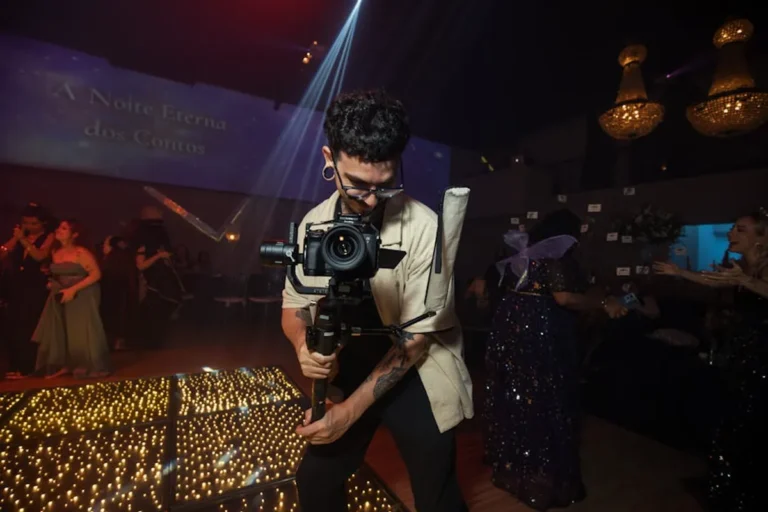
- Videography Gear: Video cameras capable of 4K, gimbals/stabilizers, external microphones (lavalier and shotgun), drones (if permitted and licensed).
- Audio Recording: Portable digital recorders, XLR cables, headphones for monitoring.
- Connectivity: Portable Wi-Fi hotspot, multiple power banks, charging cables for all devices.
- Comfort/Safety: Comfortable footwear, rain gear, sun protection, first-aid kit, earplugs, external hard drives for immediate backups.
Pro Tip: Always over-prepare for data storage and battery life. Festivals are demanding environments; a dead battery or full memory card can mean missing a crucial moment. Carry multiple fully charged power banks and at least twice the memory card capacity you anticipate needing. Implement a redundant backup strategy, even if it's just offloading to a portable hard drive daily.
On-Site Execution: Capturing the Narrative
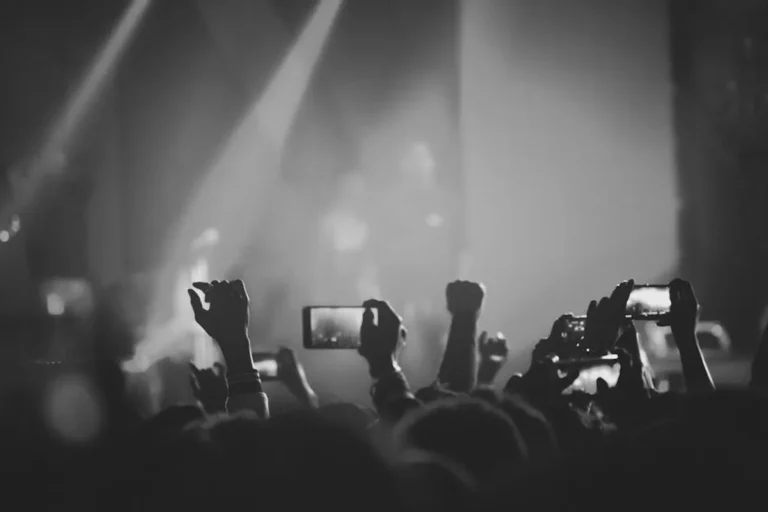
At the festival, agility and adaptability are key. While a plan is essential, unexpected moments often yield the most compelling content. Prioritize capturing a mix of wide shots of the crowd and venue, detailed shots of performances, and candid moments that convey the atmosphere. Focus on human interest stories, fan interactions, and unique fashion trends.
Real-time Content and Engagement
For immediate impact, leverage social media platforms. Short video clips, live stories, and high-quality photos can be posted in real-time, driving engagement and providing a dynamic "you are there" experience for remote audiences. Use relevant hashtags and geotags to increase discoverability. Engage with festival-goers and artists through quick, informal interviews, capturing their excitement and perspectives.
Maintain a consistent visual style where possible. If working with a team, ensure everyone understands the aesthetic guidelines to create a cohesive content package. Be mindful of lighting conditions, especially during sunset and night performances, adjusting camera settings or using external lighting as needed.
Post-Festival Content Production and Distribution
The real work often begins after the festival ends. This phase involves transforming raw assets into polished, engaging content that supports your commercial objectives. Organize and back up all footage immediately. Categorize assets by artist, stage, time, and content type to streamline the editing process.
Crafting Compelling Stories and Maximizing Reach
Develop a variety of content formats from the captured material: photo galleries, highlight reels, artist interviews, "best of" articles, and thematic pieces (e.g., "The Evolution of Festival Fashion"). Each format appeals to different audience segments and can be distributed across various channels. For articles, integrate keywords related to the festival, artists, and location to optimize for search visibility. Long-form video content can be uploaded to platforms with robust SEO features, using descriptive titles and tags.
Promote your content across all owned channels – website, social media, email newsletters. Consider outreach to artists, festival organizers, and other media outlets who might share your work, extending its reach. Analyze performance metrics for each piece of content to understand what resonated most with your audience. This data informs future content strategies, allowing for continuous refinement and improved engagement.
Measuring Impact and Refining Future Endeavors
Post-festival analysis is crucial for understanding the return on your content investment. Track key metrics such as page views, video plays, social media engagement rates, and referral traffic. Evaluate which content formats performed best and which artists or themes generated the most interest. This data provides actionable insights into audience preferences and content effectiveness.
Review the logistical aspects of your coverage. What went well? What challenges arose? Was the equipment sufficient? Was the team allocation effective? Documenting these lessons learned creates a valuable internal knowledge base for optimizing future festival coverage, ensuring each subsequent event yields even stronger content and commercial outcomes.
Frequently Asked Questions
What is the most crucial piece of equipment for festival coverage?
Reliable power banks and multiple high-capacity memory cards are often more critical than any single camera body. Missing a key moment due to dead batteries or full storage is a common pitfall.
How do I get media access to a major music festival?
Most major festivals have a dedicated media accreditation process, typically opening applications months in advance on their official website. You will usually need to demonstrate your publication's reach, provide examples of past work, and clearly state your content objectives.
What content types perform best for music festival coverage?
High-quality photography and short-form video clips (especially for social media) tend to drive immediate engagement. Post-festival, well-curated photo galleries, highlight reels, and in-depth feature articles that tell a story beyond just the performances often have longer shelf lives and better SEO value.
How can I make my festival content stand out?
Focus on unique angles beyond just main stage performances. Capture the fan experience, behind-the-scenes moments (if accessible), unique art installations, fashion trends, or interviews with lesser-known artists. Storytelling that evokes the atmosphere and emotion of the event will resonate more deeply than generic recaps.