For publishers, marketers, and agencies, covering local artists presents a distinct commercial opportunity. This isn't merely about community service; it's a strategic move to cultivate niche authority, generate highly localized content, and attract a dedicated audience segment. Local artist features can drive significant organic traffic through long-tail search queries, enhance brand reputation as a community advocate, and diversify content portfolios beyond general topics. The challenge lies in moving past superficial profiles to create engaging, valuable content that resonates with both the artists and their potential audience, while also performing well in search. This guide outlines a structured approach to achieve those objectives, focusing on discoverability, compelling narratives, and sustained engagement.
Identifying and Approaching Local Talent
Effective local artist coverage begins with a systematic approach to talent identification and outreach. Random selection yields inconsistent content; a strategic process ensures a steady stream of relevant, high-quality features.
Researching the Local Scene
Start by mapping your local artistic ecosystem. This involves more than just a quick Google search. Look for established and emerging artists across various mediums. Specific avenues include:
- Local Art Councils and Organizations: These bodies often maintain directories or calendars of local artists and events. Their endorsement can also lend credibility to your outreach.
- University Art Departments: Connect with professors or department heads who can recommend promising students or recent graduates. This taps into emerging talent often overlooked by broader media.
- Independent Galleries and Studios: Visit these spaces in person. Gallery owners are invaluable sources for identifying active artists and understanding local trends.
- Community Events and Markets: Art walks, craft fairs, and farmers' markets frequently feature local creators. Direct engagement allows for immediate assessment of their work and personality.
- Social Media Groups: Search for local art groups on platforms like Facebook or Instagram. Monitor hashtags such as #YourCityArt, #LocalArtists[YourCity], or #[YourCity]Creative.
Best for: Discovering artists whose work aligns with your publication's niche or audience demographics, ensuring a consistent content pipeline.
Crafting Your Outreach
Once potential artists are identified, your approach must be professional, personalized, and clearly articulate mutual benefit. Generic emails are often ignored. Focus on:
Pro Tip: When contacting artists, clearly state how your coverage benefits them. Highlight specific audience reach, potential for increased visibility, or the opportunity to tell their unique story. Frame it as a partnership, not just an interview request.
- Personalized Introduction: Reference specific pieces of their work or exhibitions you admire. This demonstrates genuine interest and research.
- Clear Content Proposal: Instead of asking "Can I feature you?", propose a specific angle: "I'd like to do a piece on your unique use of recycled materials in sculpture, focusing on your creative process."
- Define Deliverables: Outline what the feature will entail (e.g., written interview, photo essay, video profile, studio visit) and what you expect from them (e.g., availability for interview, high-res images).
- Transparency on Promotion: Explain how the content will be promoted (e.g., website, social media, newsletter) to manage expectations and demonstrate value.
Developing Compelling Content Angles
Moving beyond simple artist biographies requires a focus on narrative depth and engaging presentation formats. The goal is to create content that captivates readers and provides unique insight, distinguishing your publication.
Storytelling and Narrative Focus
Readers connect with stories, not just facts. Frame artist features around compelling narratives:
- The "Why": Explore the artist's motivations, inspirations, and the personal journey behind their work. What drives them? What message do they convey?
- The "How": Detail their creative process. What materials do they use? What techniques do they employ? A behind-the-scenes look at their studio or workflow offers valuable insight.
- Impact and Community: How does their art interact with or influence the local community? Do they teach? Participate in public art projects? Address local issues through their work?
- Challenges and Triumphs: Every artist faces hurdles. Highlighting these, and how they overcome them, creates relatable and inspiring content.
Best for: Generating emotionally resonant content that fosters deeper audience engagement and encourages sharing.
Multimedia Integration
Visual art demands visual content. Incorporating high-quality multimedia significantly enhances engagement and discoverability, particularly on visual-first platforms.
- Professional Photography: Invest in high-resolution images of the artist's work, their studio, and portraits of the artist themselves. Visual quality directly impacts perceived content value.
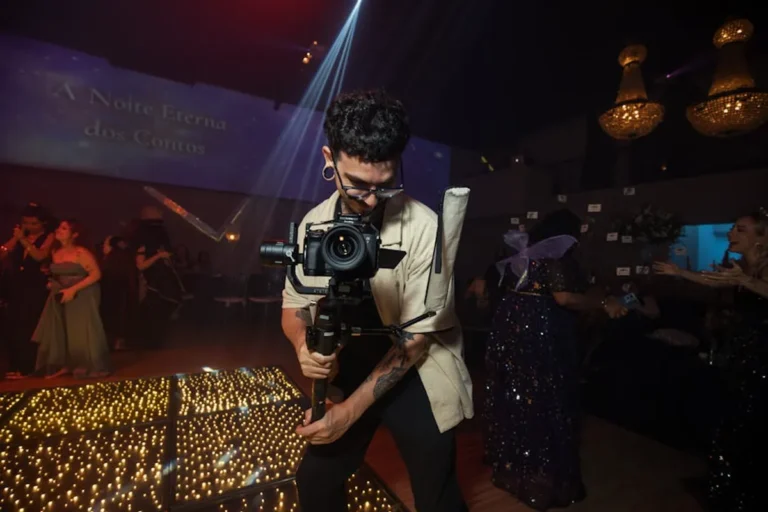
- Video Interviews/Studio Tours: Short video pieces (2-5 minutes) offer a dynamic way to showcase an artist's personality and process. These perform well on social media and can be embedded directly into articles.
- Audio Snippets: For podcasts or longer-form written pieces, short audio clips of an artist discussing their work can add an intimate layer of engagement.
- Interactive Elements: Consider embedding 360-degree views of a studio or interactive galleries for specific pieces, where applicable.
Best for: Maximizing audience retention and shareability on platforms where visual content is prioritized.
Optimizing for Local Search and Discoverability
Even the most compelling content won't find an audience without strategic optimization. For local artists, this means focusing on local SEO tactics to ensure your features appear prominently in relevant searches.
Keyword Strategy for Local Artists
Develop a targeted keyword strategy that captures both general interest and specific local intent:
- Artist Name + Location: "John Doe painter [Your City]" or "Sarah Smith sculptor [Your Region]".
- Art Form + Location: "Abstract art [Your City]", "Ceramics workshop [Your Town]", "Street art [Your Neighborhood]".
- Local Art Events: "Art fair [Month] [Your City]", "Gallery openings [Your City]".
- Long-Tail Queries: "Where to buy local art [Your City]", "Emerging artists [Genre] [Your City]".
Integrate these keywords naturally within article titles, headings, body text, image alt tags, and meta descriptions. Utilize schema markup (e.g., Person, Event, Organization) to provide search engines with structured data about the artist and their work.
Best for: Capturing organic search traffic from users actively seeking local art and artists, improving content visibility.
Leveraging Local Platforms
Beyond your own publication, distribute and promote artist features across platforms where local audiences converge:
- Google Business Profile: Encourage artists (or their galleries) to maintain an optimized Google Business Profile. Your feature can then be linked from their profile's "Posts" section.
- Local Event Listings: If the artist has an upcoming exhibition, submit your feature as promotional material to local event calendars and community news sites.
- Community Forums and Groups: Share content in relevant local Facebook groups, Reddit communities, or online forums, ensuring adherence to group rules.
- Partnerships with Local Businesses: Collaborate with local coffee shops, bookstores, or boutiques that display local art. They can share your feature with their customer base.
Best for: Expanding content reach beyond your immediate audience and tapping into established local networks.
Building Community and Engagement
Successful local artist coverage fosters a sense of community around the arts, positioning your publication as a central resource and advocate. This builds loyalty and encourages repeat engagement.
Event Coverage and Promotion
Actively cover local art events, integrating artist features into a broader narrative of the local scene:
- Live Event Blogging: Provide real-time updates from gallery openings, art fairs, or studio tours via social media or a dedicated live blog.
- Pre- and Post-Event Features: Promote upcoming exhibitions with artist interviews, then follow up with reviews or photo essays of the event itself.
- Calls for Artists: Share opportunities for local artists, such as open calls for submissions, grants, or residency programs, positioning your platform as a vital information hub.
Best for: Establishing your publication as an authoritative voice in the local arts scene and driving timely, relevant traffic.
Cultivating Relationships
Long-term success in local artist coverage relies on sustained relationships. This goes beyond a single feature:
- Artist Directories: Create a searchable directory of featured local artists on your site, providing ongoing visibility and a resource for your audience.
- Series and Themes: Develop recurring content series, such as "Artist of the Month" or "Studio Spotlight," to maintain momentum and feature a diverse range of talent.
- Feedback and Collaboration: Solicit feedback from artists on your coverage and explore collaborative projects, such as hosting online exhibitions or Q&A sessions.
Best for: Building a loyal audience, securing future content opportunities, and enhancing your publication's reputation as a dedicated supporter of local culture.
Practical Application for Publishers
Implementing a robust strategy for covering local artists yields tangible commercial benefits. It allows publishers to carve out a unique content niche, differentiate from broader media, and build a highly engaged, geographically relevant audience. Consistent execution of these tactics—from meticulous research and personalized outreach to multimedia integration and local SEO—transforms individual artist features into a cohesive, high-value content stream. This strategy directly contributes to increased organic traffic, stronger community ties, and a reputation for authoritative local coverage, which can be monetized through local advertising, sponsorships, and enhanced subscriber acquisition.
Frequently Asked Questions
How often should a publication cover local artists?
The ideal frequency depends on your publication's resources and the vibrancy of your local art scene. A consistent schedule, such as one artist feature per week or bi-weekly, builds anticipation and ensures a steady content flow without overwhelming your team or audience.
What criteria should be used to select artists for coverage?
Prioritize artists with a unique story, a distinct artistic voice, a growing local presence, or those working on projects with significant community impact. Consider diversity in medium, style, and background to represent the full spectrum of local talent and appeal to a broader audience.
How can the impact of local artist coverage be measured?
Measure impact through website analytics, tracking page views, time on page, and bounce rate for artist features. Monitor social media engagement (shares, comments, saves), direct traffic referrals from local platforms, and any direct feedback from artists or the community regarding increased visibility or sales.
Is it necessary to invest in professional photography and videography for artist features?
While high-quality visuals are crucial for art-focused content, "professional" doesn't always mean external hiring. If in-house capabilities exist, leverage them. The key is visual excellence: sharp focus, appropriate lighting, and accurate color representation. Subpar visuals detract from both the art and your publication's credibility.