Creating a city culture guide focused on art and design provides a distinct opportunity to capture a specialized audience, whether for tourism promotion, local engagement, or as a content marketing asset for related businesses. This isn't merely about listing attractions; it's about curating experiences, offering unique perspectives, and establishing authority within a specific cultural niche. A well-executed guide can drive targeted traffic, build community trust, and open avenues for commercial partnerships, distinguishing your content from broad travel portals or generic local directories. The initial decision centers on defining your unique angle and understanding how this guide will serve both its readers and your strategic objectives.
Defining Your Guide's Unique Scope and Audience
Before content creation begins, specify the guide's parameters. A narrow focus often yields deeper engagement and clearer commercial pathways. Consider:
- Geographic Boundaries: Will it cover a full city, specific neighborhoods, or a cultural district? Precision here helps manage content volume and user expectations.
- Art and Design Disciplines: Focus can range from contemporary galleries and street art to architectural landmarks, public sculptures, fashion design studios, or industrial design hubs. Avoid attempting to cover all aspects superficially. For example, a guide might exclusively feature independent galleries and artist studios, bypassing major museums to cater to a specific 'insider' audience.
- Target Audience: Are you aiming for local residents seeking weekend activities, art tourists planning visits, design professionals looking for inspiration, or students researching local scenes? Each audience dictates content depth, tone, and practical information included (e.g., accessibility, opening hours, local transport).
Best for: Establishing a clear content strategy that resonates with a specific reader demographic, ensuring content utility and relevance.
Strategic Content Gathering and Curation
The credibility and utility of your guide hinge on the quality and originality of its content. Move beyond aggregation by incorporating primary research and unique insights.
Primary Research and Local Engagement
Direct engagement with the local art and design community is invaluable. This includes:
- Site Visits: Physically visiting galleries, studios, public art installations, and design spaces. This allows for firsthand observation, photography, and noting practical details often missed in online listings.
- Interviews: Speaking with local artists, gallery owners, curators, designers, and cultural historians. These interviews provide exclusive narratives, behind-the-scenes insights, and personal recommendations that elevate the guide beyond a simple directory.
- Event Participation: Attending local art walks, design fairs, exhibition openings, and workshops. This ensures the guide reflects the current pulse of the city's cultural scene and identifies emerging trends or venues.
Leveraging Secondary Resources and Data
Supplement primary research with reliable secondary sources to ensure comprehensive coverage and historical context:
- Local Arts Councils and Tourism Boards: These organizations often publish event calendars, artist directories, and historical information.
- Academic Institutions: University art and design departments can provide context on local movements, prominent alumni, or research initiatives.
- Specialized Publications: Local art magazines, design blogs, and cultural newspapers offer critical perspectives and event listings.
Pro Tip: Prioritize evergreen content where possible, such as permanent installations or historical architectural sites, but establish a clear update schedule for ephemeral content like temporary exhibitions or seasonal festivals. Outdated event information quickly diminishes user trust and guide utility.
Structuring for User Experience and Search Visibility
A well-structured guide enhances readability and improves its discoverability through search engines. Consider both human navigation and technical SEO.
Intuitive Navigation and Content Organization
Organize content logically to allow users to find information quickly. Common structures include:
- By Neighborhood/District: Useful for users exploring specific areas.
- By Category/Discipline: Grouping content by 'Contemporary Art Galleries,' 'Street Art Tours,' 'Architectural Landmarks,' or 'Design Boutiques.'
- By Thematic Trails: Curated walking or driving tours focused on specific themes (e.g., 'Modernist Architecture Trail,' 'Public Art Scavenger Hunt').
Implement clear internal linking to connect related content, fostering deeper exploration and improving site authority.
Optimizing for Local and Niche Search
Integrate local SEO practices to ensure the guide appears in relevant search queries:
- Keyword Integration: Naturally embed specific city names, neighborhood names, and art/design terms within titles, headings, and body text.
- Schema Markup: Utilize structured data (e.g.,
Place,Event,LocalBusinessschema) to provide search engines with explicit information about locations, opening hours, and event details. This can enhance visibility in local search results and rich snippets. - Mobile Responsiveness: Ensure the guide is fully optimized for mobile devices, as many users will access it while exploring the city.
Visual Content and Multimedia Integration
For an art and design guide, high-quality visuals are not merely supplementary; they are integral to the content itself. Invest in compelling photography and consider other multimedia formats.
- Professional Photography: Capture high-resolution images of artwork, architectural details, gallery interiors, and street art. Ensure proper lighting and composition.
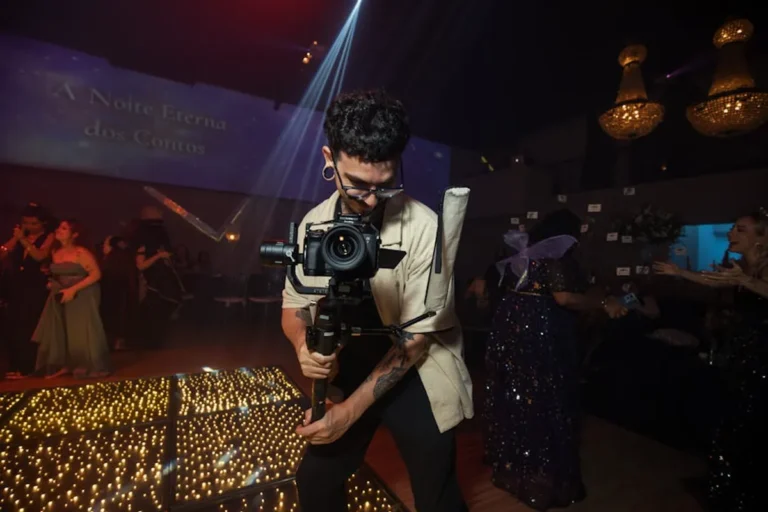
- Video Content: Short video clips of artists at work, guided tours of specific sites, or interviews can significantly increase engagement and provide a dynamic perspective.
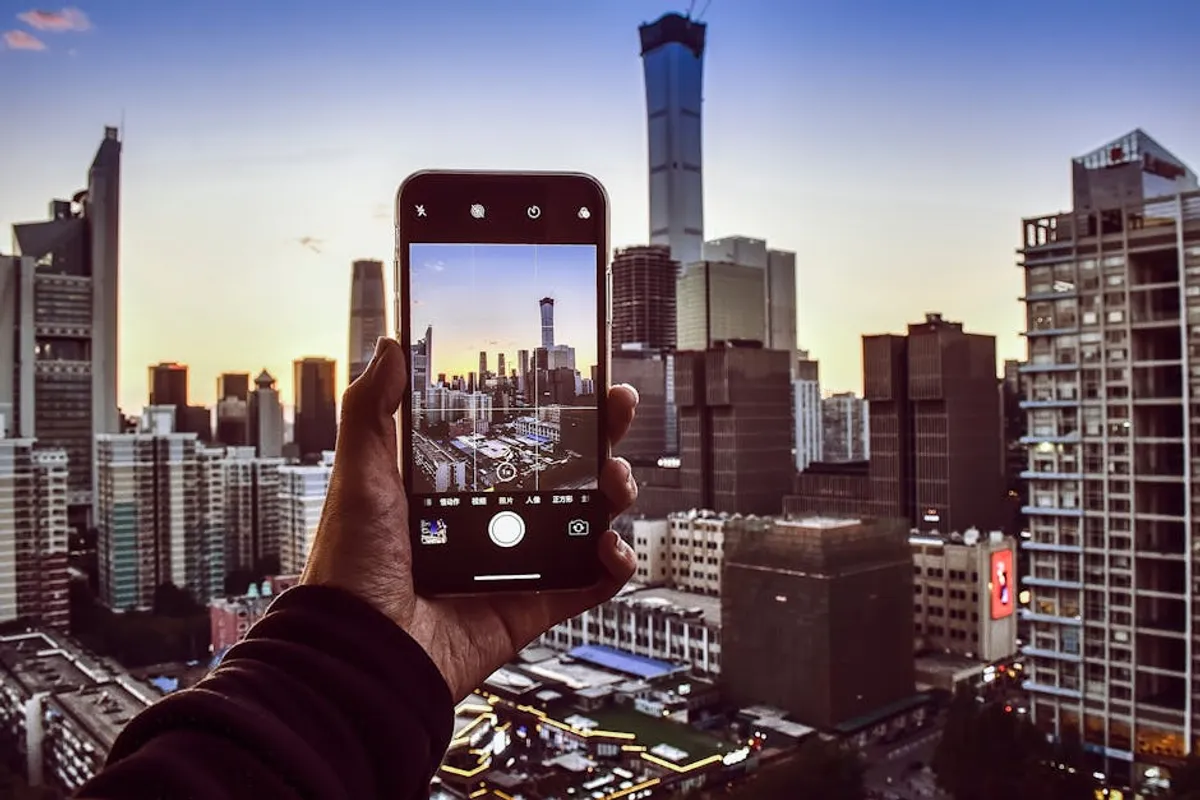
- Interactive Maps: Embed maps that pinpoint locations, offer directions, and link directly to relevant guide entries. This is crucial for practical navigation.
- 360-Degree Views: For specific venues or installations, 360-degree photography or virtual tours can offer an immersive preview.
Best for: Enhancing user engagement, conveying the aesthetic essence of the subject matter, and providing practical navigational aids.
Promotion, Distribution, and Monetization
Even the best guide requires strategic promotion to reach its intended audience and, if desired, generate revenue.
Reaching Your Audience
- Local SEO: Beyond on-page optimization, build local citations and encourage reviews for featured businesses/locations.
- Social Media: Share visually rich content on platforms like Instagram, Pinterest, and TikTok, targeting local hashtags and art/design communities.
- Partnerships: Collaborate with local tourism boards, art galleries, design schools, and cultural event organizers for cross-promotion.
- Email Marketing: Build a subscriber list to share updates, new entries, and curated itineraries.
Commercial Opportunities
Monetization can be integrated thoughtfully without compromising editorial integrity:
- Affiliate Marketing: Link to art supply stores, design product retailers, or booking platforms for local tours/workshops.
- Sponsored Content: Offer sponsored listings or dedicated features for businesses that align with the guide's aesthetic and audience. Clearly label all sponsored content for transparency.
- Premium Versions: Develop a downloadable PDF version of the guide with exclusive content, detailed maps, or curated walking routes for a fee.
- Advertising: Display ads from relevant local businesses or cultural organizations.
Sustaining Your City Culture Guide
A city culture guide is not a static document; it requires ongoing maintenance to remain relevant and valuable. Establish a content calendar for regular updates, particularly for event listings, gallery changes, and new installations. Actively solicit feedback from users and the local community to identify gaps or areas for improvement. By consistently refreshing content and engaging with your audience, the guide evolves into a trusted, authoritative resource that continues to serve its purpose and deliver commercial value.
Frequently Asked Questions
How often should a city culture guide be updated?
Evergreen content (e.g., historical architecture) can be updated annually, but event listings, temporary exhibitions, and new venue openings require monthly or even weekly review to maintain accuracy and relevance.
What if my city isn't known as a major art or design hub?
Focus on discovering and highlighting the unique, perhaps lesser-known, aspects of your local scene. Every city has cultural elements; the guide's value comes from curating and presenting these in an engaging way, potentially even uncovering hidden gems.
How can I make the guide profitable?
Monetization can come from affiliate links to relevant products or services, sponsored content from local businesses, selling premium downloadable versions, or integrating display advertising. Transparency with sponsored content is crucial.
What are the most critical elements for user experience in an art and design guide?
High-quality visual content (photography, video), intuitive navigation (maps, clear categories), and practical visitor information (hours, accessibility, directions) are paramount for an engaging and useful art and design guide.