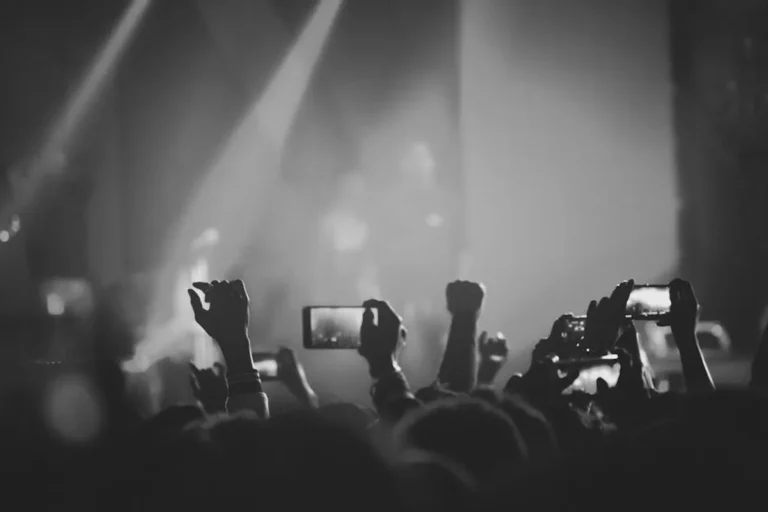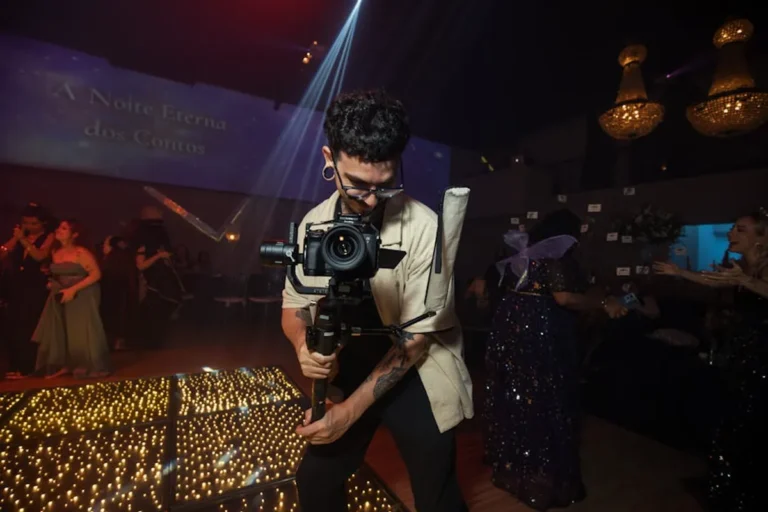
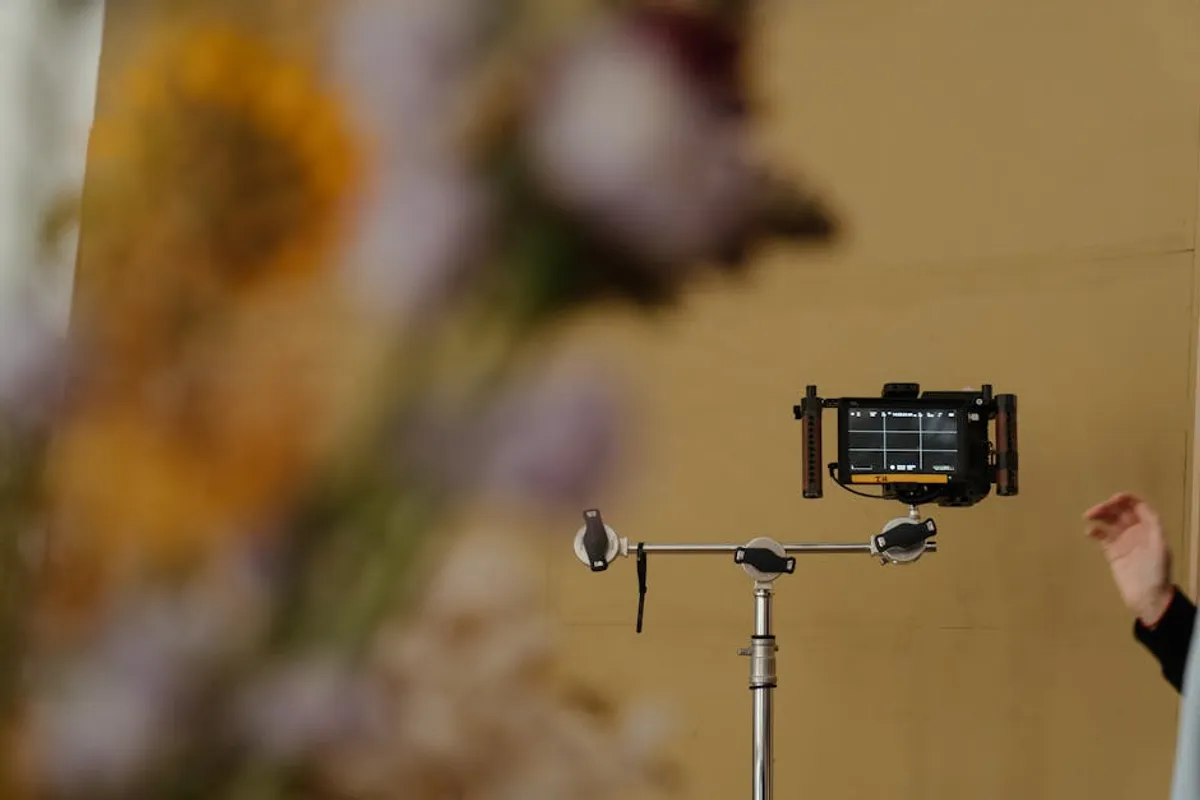
Capturing the raw energy, anticipation, and intimate moments behind the scenes offers a unique narrative perspective often unavailable to the general public. These images serve as powerful content for marketing, fan engagement, and historical archives, providing an authentic glimpse into the creative process or event preparation. The challenge lies in navigating often cramped, dimly lit, and fast-paced environments while remaining unobtrusive. Success in backstage photography hinges on meticulous planning, technical proficiency in difficult conditions, and a deep respect for the subjects and their space. This approach ensures you not only secure compelling visuals but also maintain professional relationships crucial for future access.
Pre-Shoot Planning and Access
Effective backstage photography begins long before the camera shutter clicks. Securing the necessary permissions and understanding the logistical landscape are non-negotiable steps to ensure a productive and ethical shoot.
Securing Permissions
Gaining access to backstage areas requires direct communication and often multiple layers of approval. Start by identifying the key gatekeepers: artist management, venue publicists, event organizers, or production managers. Their approval dictates your access level and any specific restrictions. Clearly articulate your purpose for the photography – whether it's for promotional content, editorial coverage, or internal documentation – and specify how the images will be used. Provide a portfolio demonstrating your ability to work discreetly and professionally in sensitive environments. Always obtain a formal photo pass or written confirmation detailing your access areas and timeframes. Without explicit permission, any attempt to photograph backstage is a breach of trust and can lead to immediate removal and blacklisting.
Gear Selection for Low-Light and Tight Spaces
The backstage environment is rarely well-lit or spacious, demanding specific equipment choices to overcome these challenges. Prioritize gear that performs reliably in low light and allows for flexibility.
- Camera Bodies: Opt for full-frame or professional-grade crop sensor bodies known for their excellent high-ISO performance. This minimizes noise when pushing ISO settings to compensate for dim lighting. Cameras with fast autofocus systems are also critical for capturing fleeting moments.
- Lenses: Fast prime lenses (f/1.2, f/1.4, f/1.8) are invaluable. Their wide apertures allow maximum light gathering, enabling lower ISOs and faster shutter speeds. A 50mm or 35mm prime is versatile for candid shots. Complement these with a fast, versatile zoom (e.g., 24-70mm f/2.8 or 70-200mm f/2.8) for broader context or tighter compositions from a distance. Wide-angle lenses (16-35mm f/2.8) are useful for capturing the scale of cramped dressing rooms or corridors.
- Lighting: Rely predominantly on available light to maintain authenticity and avoid disrupting the atmosphere. If supplemental light is absolutely necessary, consider a small, dimmable LED panel or a diffused on-camera flash used sparingly and bounced off surfaces to avoid harsh direct light. Always confirm flash usage is permitted.
- Accessories: Bring multiple fully charged batteries, as low-light shooting and continuous autofocus drain power quickly. A silent camera strap or harness helps maintain a low profile. A small, discreet camera bag allows for quick lens changes without drawing attention.
Mastering the Backstage Environment
Once you have access and the right gear, the execution demands technical skill combined with an acute awareness of your surroundings and the people within them.
Navigating Low Light and Dynamic Scenes
Backstage lighting is often a mix of practical lamps, stage spill, and ambient darkness, creating a complex exposure challenge. Set your camera to Shutter Priority (Tv/S) or Manual (M) mode. In Manual, balance ISO, aperture, and shutter speed. Start with a relatively wide aperture (f/2.8 or wider) to gather light and create subject separation. Adjust ISO to achieve a shutter speed fast enough to freeze motion (e.g., 1/125s or faster for people). Be prepared to push ISO to 3200, 6400, or even higher, embracing the resulting grain as part of the authentic aesthetic. Use Spot Metering to expose for your subject's face. For white balance, manually set it or use Kelvin to match the dominant light source; auto white balance can struggle with mixed lighting. For focusing, single-point autofocus is often precise, especially when combined with back-button focus. In extremely dark conditions, manual focus with focus peaking can be more reliable.
Respecting Privacy and Space
The backstage area is a workspace and often a private sanctuary for performers and crew. Your presence should be as unobtrusive as possible. Move quietly, avoid blocking pathways, and keep your gear compact. Always be aware of personal space; do not push your lens into someone's face without explicit permission. Understand that some moments – like pre-performance rituals, emotional conversations, or costume adjustments – are not meant for public consumption. Learn to anticipate when to put the camera down. The goal is to be a silent observer, capturing genuine moments without influencing them. Building trust with your subjects through respectful behavior is paramount for authentic imagery.
Pro Tip: Act as a 'ghost' backstage. Your presence should be felt as little as possible. Avoid engaging in conversations unless initiated, and never interrupt a performer's concentration or a crew member's work. The most impactful backstage photos are those where the subjects are unaware of the camera, revealing their true emotions and interactions.
Storytelling Through Backstage Imagery
Beyond technical execution, effective backstage photography tells a compelling story, revealing the narrative arc of preparation, anticipation, and camaraderie.
Identifying Key Moments
Look for moments that contribute to the overall story of the event or performance. These include:
- Preparation: Makeup application, hair styling, costume adjustments, instrument tuning, vocal warm-ups, or script reviews.
- Interaction: Quiet conversations between band members, a director giving last-minute instructions, crew members collaborating, or artists sharing a laugh.
- Emotion: The focused intensity of a performer, nervous energy, moments of quiet reflection, relief after a successful set, or celebratory gestures.
- Details: Close-ups of intricate costumes, worn instruments, handwritten setlists, stage props, or the organized chaos of equipment cases. These elements add texture and context.
Composition and Framing
Use the environment to your advantage. Frame subjects through doorways or between equipment to add depth and a sense of voyeurism. Utilize available light, even if it's just a sliver from a doorway or a single bare bulb, to create dramatic shadows and highlights. Shoot through reflections in mirrors or windows for unique perspectives. Employ the rule of thirds to place subjects off-center, or use leading lines from corridors or cables to draw the viewer's eye. Don't be afraid of negative space to emphasize a subject's isolation or focus. Vary your shots between wide-angle context setters, medium shots capturing interactions, and tight close-ups on details or expressions. The goal is to convey the atmosphere and mood, not just document faces.
Cultivating Authentic Backstage Narratives
Photographing backstage moments is a blend of technical skill, strategic planning, and profound respect for the environment and its inhabitants. The value of these images lies in their authenticity and their ability to connect an audience more deeply with the experience. By prioritizing permissions, selecting appropriate gear for challenging conditions, and honing your ability to observe and capture discreetly, you can build a portfolio of impactful, story-rich content. Remember that the most compelling backstage narratives emerge when you become an invisible witness, allowing the genuine human elements of preparation, passion, and performance to unfold naturally before your lens.
Frequently Asked Questions
What are the essential camera settings for backstage photography?
Prioritize a wide aperture (f/1.8-f/2.8) for light gathering and subject isolation, a shutter speed fast enough to freeze motion (1/125s or higher), and adjust ISO as needed, often pushing into higher ranges (3200-6400+) to maintain proper exposure in low light.
How do I get permission to shoot backstage?
Contact artist management, venue publicists, or event organizers well in advance. Clearly state your purpose, provide a portfolio, and secure a formal photo pass or written confirmation detailing your access.
What kind of lens is best for backstage photos?
Fast prime lenses (e.g., 35mm f/1.4, 50mm f/1.8) are ideal for low light and intimate shots. A versatile, fast zoom (e.g., 24-70mm f/2.8) also provides flexibility for varying compositions in tight spaces.
How can I capture authentic moments without being intrusive?
Move quietly, avoid direct eye contact, use a silent camera mode if available, and anticipate moments rather than directing them. Be aware of personal boundaries and know when to put your camera down, acting as an observer rather than a participant.