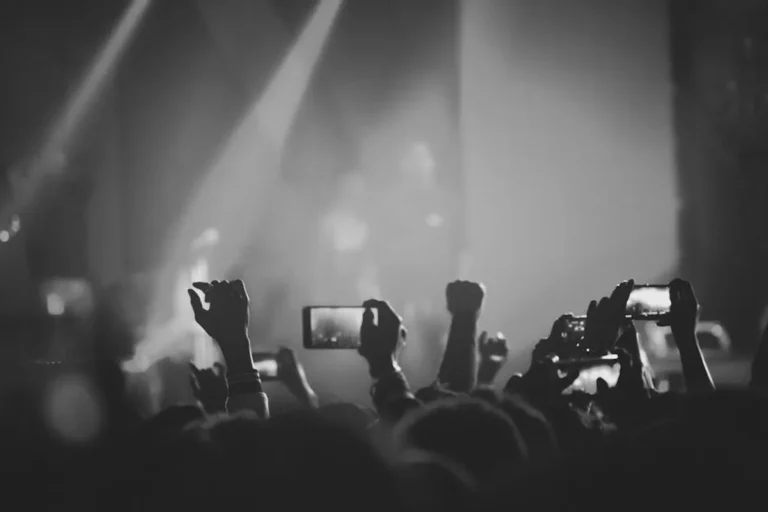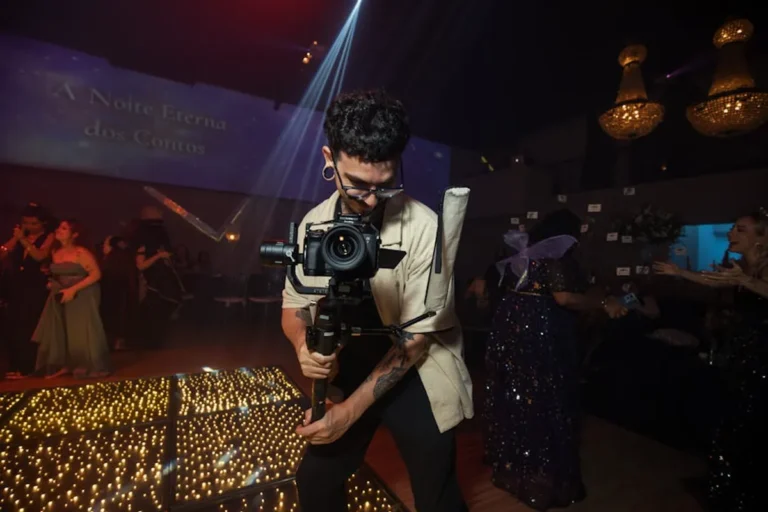
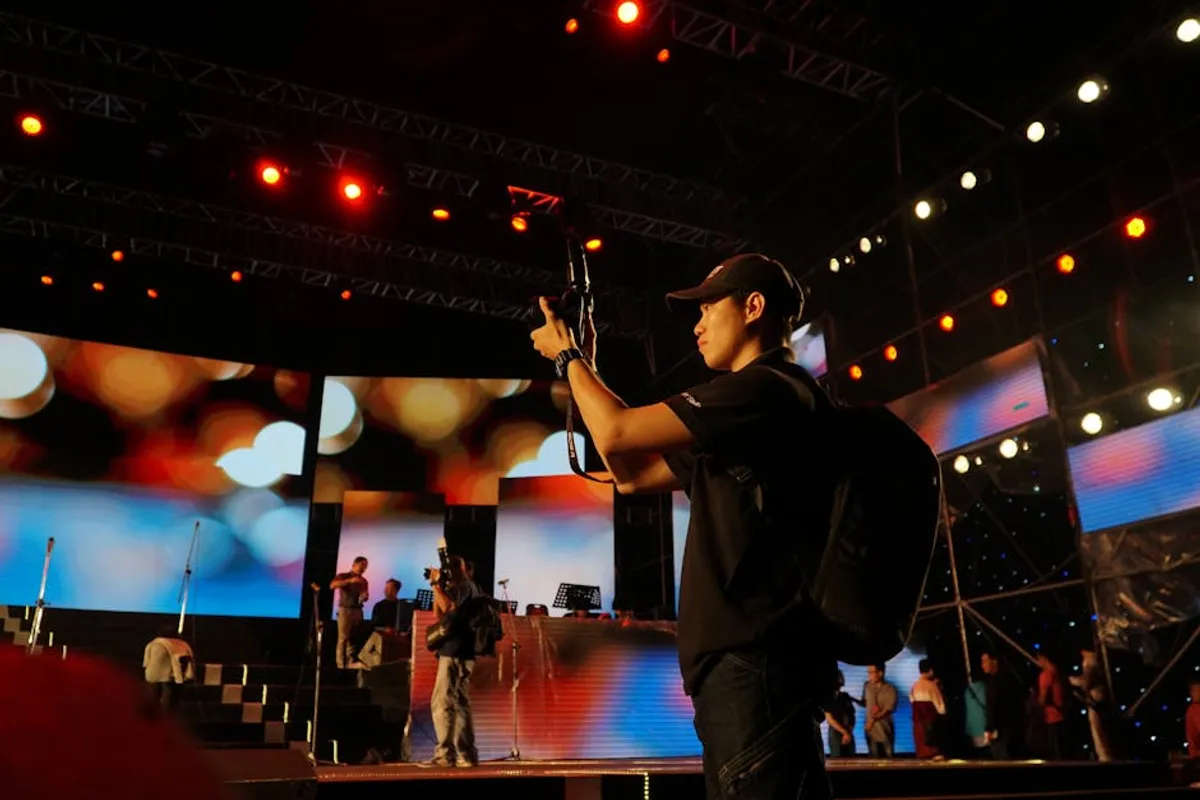
Photographing live events presents a distinct challenge and a significant commercial opportunity. Unlike studio work or controlled environments, live events are dynamic, unpredictable, and often operate under demanding conditions. The objective extends beyond merely documenting; it involves capturing the energy, emotion, and key narratives that define the occasion, providing valuable visual assets for marketing, public relations, and historical records. Success hinges on a blend of technical proficiency, artistic foresight, and meticulous logistical planning, ensuring that fleeting moments are not just recorded, but preserved with impact and clarity.
Pre-Event Planning: Laying the Foundation for Success
Effective live event photography begins long before the first shutter click. Thorough preparation minimizes surprises and maximizes your ability to adapt to on-site conditions.
Understanding the Brief and Client Expectations
Before any gear is packed, obtain a clear understanding of the event's purpose and the client's specific needs. This involves:
- Event Type: Is it a corporate conference, a concert, a wedding, a sports match, or a community gathering? Each demands a different approach.
- Target Audience: Who will see these photos? This influences composition, editing style, and overall tone.
- Key Moments/Individuals: Request a detailed shot list. Identify VIPs, specific speeches, award ceremonies, or performances that are non-negotiable.
- Usage: How will the images be used? Web, print, social media? This dictates resolution, file formats, and aspect ratios.
A pre-event walk-through or detailed discussion about the schedule and desired outcomes is crucial for aligning expectations.
Gear Selection and Preparation
Reliability and versatility are paramount. Your equipment choices directly impact your ability to perform under varied conditions.
- Camera Bodies: Bring at least two professional-grade bodies. This provides redundancy in case of malfunction and allows for quick lens changes without missing critical moments.
- Lenses:
- Fast Zooms: A 24-70mm f/2.8 and a 70-200mm f/2.8 cover most scenarios, offering flexibility across wide, medium, and telephoto ranges.
- Fast Primes: A 50mm f/1.4 or 85mm f/1.4 is invaluable for low-light situations, subject isolation, and creating a shallow depth of field.
- Lighting: An on-camera flash with a diffuser (e.g., a MagSphere or dome diffuser) is often necessary. Consider an off-camera flash setup if permitted and feasible, but prioritize discretion.
- Accessories:
- Batteries: Double the number you think you'll need, fully charged.
- Memory Cards: High-capacity, fast-write-speed cards. Bring more than enough, and consider cards with built-in redundancy (e.g., dual card slots).
- Cleaning Kit: Lens cloths, blower brush.
- Comfort: Comfortable shoes, a reliable camera strap or harness.
Venue Reconnaissance and Logistics
If possible, visit the venue beforehand. This provides invaluable insights into potential challenges and opportunities.
- Lighting Conditions: Assess natural light sources, artificial lighting (color temperature, intensity), and potential dark spots.
- Vantage Points: Identify optimal locations for wide shots, close-ups, and capturing key interactions without obstruction.
- Restrictions: Check for "no-go" zones, flash restrictions, or areas requiring special passes.
- Power Outlets: Locate charging points if you anticipate needing to top up laptop or phone batteries.
On-Site Execution: Capturing the Narrative
Once the event begins, your focus shifts to technical precision, compositional awareness, and anticipation.
Mastering Camera Settings for Dynamic Environments
Adapt your settings quickly to changing light and action.
- Shooting Mode: Aperture Priority (Av/A) or Manual (M) are common. Manual offers full control, while Aperture Priority allows quick depth-of-field adjustments with the camera handling shutter speed.
- Aperture: Use wider apertures (f/2.8-f/4) to isolate subjects and perform better in low light. Close down (f/5.6-f/8) for group shots requiring more depth of field.
- Shutter Speed: Freeze action with faster speeds (1/250s or higher). For ambient light and a sense of motion, speeds around 1/60s-1/125s can work, but beware of blur.
- ISO: Push ISO as high as necessary to achieve proper exposure, balancing noise against a usable image. Shoot RAW to maximize post-processing flexibility for noise reduction.
- White Balance: Set a custom white balance if conditions are stable, or shoot RAW and correct in post-production. Auto White Balance can be inconsistent under mixed lighting.
- Autofocus: Use continuous autofocus (AI Servo/AF-C) for moving subjects. Spot or single-point focus provides precision for static subjects or specific faces.
Composition and Storytelling
Beyond technical settings, your ability to compose impactful images tells the event's story.
- Vary Your Shots: Capture wide establishing shots of the venue, medium shots of groups interacting, and tight portraits or detail shots that convey emotion.
- Capture Reactions: Focus on audience members, speakers, and performers' expressions. Candid moments often tell the most compelling story.
- Anticipate Moments: Look for visual cues. A speaker winding down, an award being presented, a performer moving to a key position.
- Use Leading Lines and Framing: Utilize architectural elements or natural lines to draw the viewer's eye to the subject.
Pro Tip: Never rely on a single point of failure. Always carry two camera bodies, fully charged backup batteries, and multiple high-capacity memory cards. Immediately back up images to a portable hard drive or cloud service during breaks to safeguard against data loss.
Post-Production and Delivery: Refining the Visual Assets
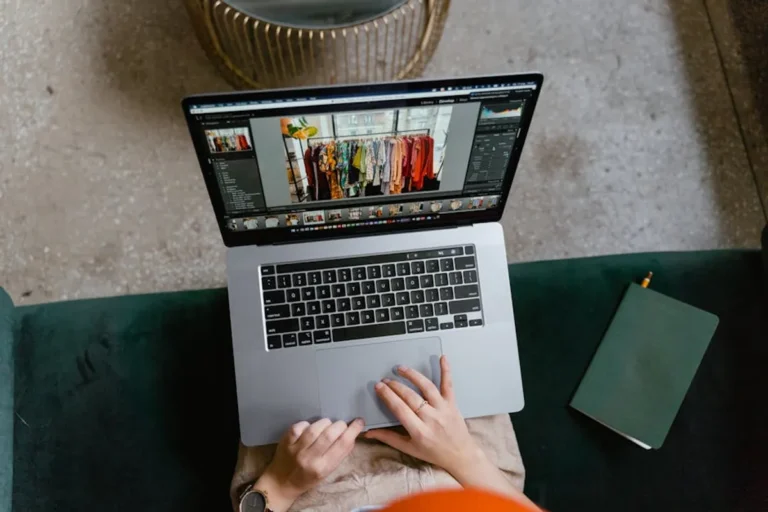
The work doesn't end when the event does. Post-production refines your captures into polished deliverables.
Culling and Selection
Efficiently review all images to select the best ones. Remove duplicates, out-of-focus shots, blinks, and unflattering expressions. Prioritize images that tell the event's story, meet the client's brief, and exhibit strong technical quality.
Editing Workflow
Consistency in editing is key for a cohesive final product.
- Basic Adjustments: Correct exposure, contrast, highlights, shadows, and white balance.
- Color Grading: Apply a consistent look and feel across all selected images.
- Cropping and Straightening: Improve composition and correct horizons.
- Light Retouching: Address minor blemishes, distracting elements, or lens dust spots. Avoid heavy-handed retouching unless specifically requested.
Delivery and Archiving
Deliver images according to client specifications and establish a robust archiving system.
- File Formats: Provide high-resolution JPEGs for print, web-optimized JPEGs for online use, and potentially TIFFs or original RAW files if requested.
- Delivery Platforms: Use secure online galleries (e.g., client-specific portals, cloud-based services) for client review and download.
- Metadata: Embed copyright information, keywords, and captions into the image files to aid discoverability and proper attribution.
- Backup Strategy: Implement a redundant backup system for all raw and edited files (e.g., local external drives, cloud storage, or a combination).
Optimizing Your Live Event Photography Workflow
Successful live event photography demands a holistic approach, integrating technical skill, creative vision, and meticulous logistical planning. By mastering pre-event preparation, executing with precision on-site, and refining your work through efficient post-production, you can consistently deliver compelling visual narratives that meet and exceed client expectations. Continuous learning, adapting to new technologies, and refining your personal workflow will further enhance your ability to capture the unique energy of any live event.
Frequently Asked Questions
What are the most essential lenses for live event photography?
A versatile 24-70mm f/2.8 zoom lens for wide to medium shots and a 70-200mm f/2.8 telephoto zoom for reach and subject isolation are generally considered essential. Adding a fast prime lens like a 50mm f/1.4 or 85mm f/1.4 significantly improves low-light performance and offers beautiful background blur.
How do I manage low-light conditions without using flash?
To manage low light without flash, use lenses with wide maximum apertures (f/2.8 or wider), increase your camera's ISO sensitivity while monitoring noise levels, and consider slower shutter speeds if subjects are relatively still. Shooting in RAW format provides greater flexibility for post-processing adjustments and noise reduction.
What's the best way to back up photos during a long event?
For long events, use cameras with dual memory card slots set to record simultaneously (redundancy). During breaks, transfer images from memory cards to a portable hard drive or a laptop with an external drive. Some photographers also use portable Wi-Fi card readers to transfer images to a tablet or smartphone for an initial review and backup.
How do I get natural-looking candid shots?
To capture natural candid shots, blend into the background as much as possible. Use a longer lens (e.g., 70-200mm) to maintain distance, anticipate moments of interaction or emotion, and shoot continuously (burst mode) to capture subtle expressions. Avoid directing subjects or making eye contact, allowing genuine moments to unfold.