The Mazda CX-50 Hybrid represents a strategic expansion into the electrified SUV market, offering a blend of fuel efficiency and the brand's established driving dynamics. For consumers considering a new vehicle, understanding the CX-50 Hybrid's specific attributes, its positioning within the competitive crossover segment, and its practical implications for daily use is crucial. This model targets buyers who prioritize reduced fuel consumption and environmental considerations without sacrificing all-wheel-drive capability or a refined driving experience, distinguishing it from both traditional gasoline-only SUVs and fully electric alternatives by providing a bridge solution that mitigates range anxiety while enhancing efficiency.
Understanding the Mazda CX-50 Hybrid Concept
What "Hybrid" Means for the CX-50
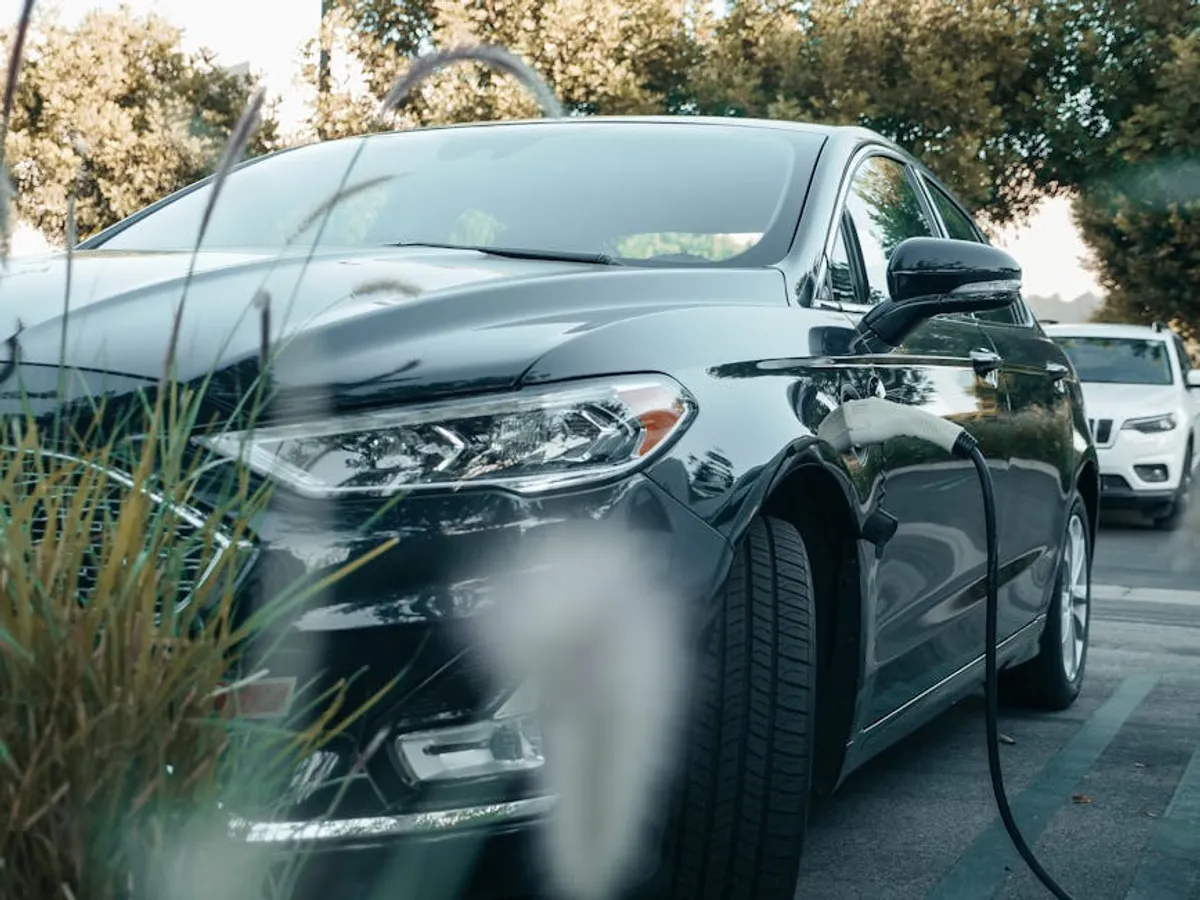
The term "hybrid" in the context of the Mazda CX-50 refers to a powertrain that integrates an internal combustion engine (ICE) with an electric motor and a battery pack. Unlike a mild-hybrid system, which primarily uses electric power for assistance during acceleration or for stop-start functionality, the CX-50 Hybrid is designed as a full hybrid. This configuration allows the vehicle to operate on electric power alone for short distances at low speeds, combine electric and gasoline power for enhanced performance, or rely solely on the gasoline engine when conditions demand. The system recharges its battery through regenerative braking and the engine, eliminating the need for external charging infrastructure. This design optimizes fuel economy, particularly in stop-and-go city driving, without requiring a change in fueling habits or concerns about electric range limitations.
Positioning in Mazda's Lineup
The CX-50 Hybrid is positioned as a more rugged, adventure-oriented compact SUV compared to the urban-focused CX-5. While sharing some core mechanical components, the CX-50 features a wider stance, increased ground clearance, and a more robust exterior design language that emphasizes its capability for off-pavement excursions. It slots below the larger, three-row CX-90 in terms of overall size and premium aspirations, but above the subcompact CX-30. The Hybrid variant specifically addresses a growing market demand for vehicles that offer both utility and improved environmental performance, appealing to buyers who appreciate Mazda's driving engagement but seek greater fuel efficiency for daily commutes and weekend trips alike.
Key Features and Specifications
Powertrain and Performance
The CX-50 Hybrid typically employs a 2.5-liter four-cylinder gasoline engine paired with an electric motor, often utilizing an e-CVT (electronically controlled continuously variable transmission) for smooth power delivery. This combination is engineered to provide a balanced output of horsepower and torque, ensuring responsive acceleration for merging onto highways while maintaining fuel efficiency. The integration of the electric motor provides instant torque at lower RPMs, contributing to a more immediate and linear acceleration feel than a purely gasoline-powered equivalent. The i-Activ AWD system, standard on most CX-50 models, is optimized to distribute power effectively to all four wheels, enhancing traction and stability across various driving conditions, from paved roads to unpaved trails.
Fuel Economy and Range
A primary benefit of the CX-50 Hybrid is its enhanced fuel economy compared to its non-hybrid counterparts. Specific EPA estimates will vary by model year and configuration, but hybrid systems generally deliver significantly better miles per gallon (MPG) in city driving due to their ability to run on electric power at low speeds and utilize regenerative braking. On the highway, the efficiency gains are still present but less pronounced. The combined fuel economy figures contribute to a longer driving range per tank, reducing the frequency of fuel stops and lowering overall operating costs for owners.
Capability and Utility
The CX-50 is engineered for versatility. Its elevated ground clearance, often around 8.6 inches, provides confidence over uneven terrain. The standard i-Activ AWD system is complemented by Mazda Intelligent Drive Select (Mi-Drive) modes, which allow drivers to tailor the vehicle's response for specific conditions like Off-Road or Towing. The CX-50 Hybrid also maintains a respectable towing capacity, often rated around 2,000 to 3,500 pounds depending on the specific powertrain and configuration, making it suitable for hauling small trailers, bikes, or kayaks. Inside, the cargo area is designed for practicality, with a wide opening and flat-folding rear seats to accommodate bulkier items for outdoor activities or home projects.
- Standard All-Wheel Drive: Enhances traction and stability.
- Mi-Drive Modes: Optimizes performance for various terrains.
- Roof Rail System: Integrated for easy attachment of accessories.
- Cargo Management: Flat-folding rear seats and ample storage.
Interior Design and Technology
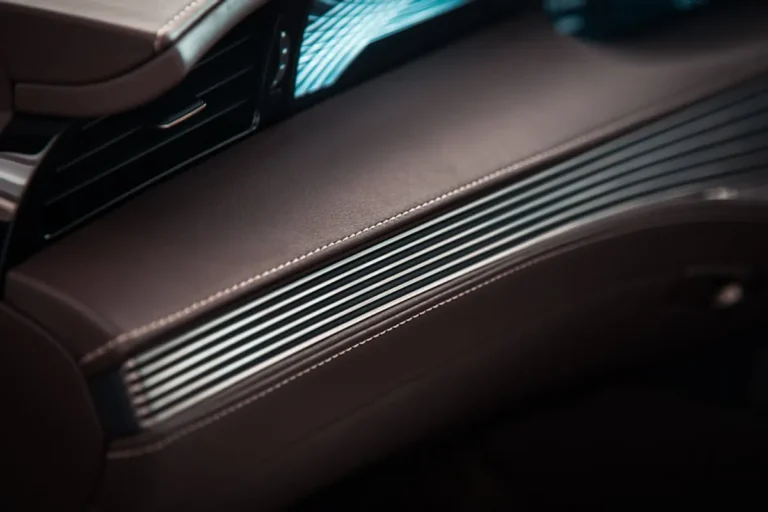
Mazda's interior philosophy, "Kodo design," extends to the CX-50 Hybrid, emphasizing driver-centric ergonomics and premium material quality. The cabin features durable yet aesthetically pleasing materials, with thoughtful details like contrasting stitching and soft-touch surfaces. Technology integration is seamless, typically including a large infotainment display compatible with Apple CarPlay and Android Auto. The i-Activsense suite of safety features is comprehensive, encompassing technologies such as adaptive cruise control, lane-keeping assist, blind-spot monitoring, and automatic emergency braking, all designed to enhance driver awareness and prevent collisions.
Intended Uses and Target Audience
Urban Commuting and Daily Driving
For city dwellers and daily commuters, the CX-50 Hybrid offers immediate advantages. Its hybrid powertrain significantly improves fuel efficiency in stop-and-go traffic, where electric-only operation and regenerative braking are most effective. The compact SUV footprint ensures maneuverability in urban environments, while the elevated driving position provides good visibility. The quiet operation of the electric motor at low speeds contributes to a more serene cabin experience during daily errands and short trips.
Weekend Adventures and Outdoor Lifestyles
The CX-50 Hybrid is specifically marketed towards individuals and families with active outdoor lifestyles. Its robust design, increased ground clearance, and standard i-Activ AWD make it suitable for reaching trailheads, campsites, or lakeside destinations that might involve unpaved roads. The generous cargo space and available roof rails accommodate gear such as bikes, kayaks, and camping equipment. The combination of fuel efficiency and capability allows for extended trips to remote locations without frequent fuel stops, aligning with the spirit of exploration.
Long-Distance Travel
While optimized for city efficiency, the CX-50 Hybrid also performs well on longer journeys. The gasoline engine provides consistent power for highway speeds, and the hybrid system ensures that overall fuel consumption remains lower than non-hybrid alternatives. The comfortable seating, advanced driver-assistance systems, and refined ride quality contribute to reduced driver fatigue on extended trips. The longer range afforded by the hybrid powertrain minimizes disruptions for refueling, making it a practical choice for road trips.
Commercial Considerations and Value Proposition
Total Cost of Ownership
Evaluating the CX-50 Hybrid involves considering its total cost of ownership. While the initial purchase price of a hybrid vehicle can be slightly higher than its gasoline-only counterpart, the long-term fuel savings often offset this difference, particularly with fluctuating fuel prices. Maintenance costs for hybrids are generally comparable to conventional vehicles, though specific components like the battery pack may have extended warranties. The CX-50's reputation for reliability and lower emissions can also contribute to lower registration fees in some regions.
Resale Value
The market for hybrid vehicles has shown consistent growth, contributing to strong resale values. As consumers increasingly prioritize fuel efficiency and environmental benefits, hybrid models like the CX-50 Hybrid tend to retain their value well. Mazda's brand reputation for quality and reliability further supports this, making the CX-50 Hybrid a sound investment for buyers concerned about depreciation.
Environmental Impact
Opting for the CX-50 Hybrid directly contributes to a reduced environmental footprint. The hybrid powertrain emits fewer greenhouse gases and pollutants compared to a conventional gasoline engine, especially in urban driving scenarios. This aligns with broader sustainability goals and offers an option for consumers seeking to mitigate their personal impact on air quality and climate change without transitioning to a fully electric vehicle.
Pro Tip: When evaluating a hybrid vehicle, pay close attention to the specific type of hybrid system (e.g., parallel, series, series-parallel) and its battery warranty. A robust battery warranty, typically 8 years/100,000 miles or more, indicates manufacturer confidence in the longevity of the most critical hybrid component and protects against unforeseen replacement costs.
Making an Informed Decision
Choosing the Mazda CX-50 Hybrid involves aligning its specific capabilities with individual needs. Prospective buyers should prioritize a test drive to experience the powertrain's seamless transitions and the vehicle's handling characteristics firsthand. Compare different trim levels to identify which package of features, such as specific infotainment upgrades or advanced safety technologies, best suits your preferences and budget. Consider your typical driving patterns—heavy city driving will maximize hybrid fuel efficiency benefits, while frequent long-distance highway travel will still offer savings over non-hybrid SUVs but with smaller percentage gains. Finally, factor in the long-term ownership costs, including fuel savings and potential resale value, to determine the overall economic viability of the investment.
Frequently Asked Questions
Is the Mazda CX-50 Hybrid a Plug-in Hybrid (PHEV)?
No, the Mazda CX-50 Hybrid is a traditional "full hybrid" or "self-charging hybrid." It does not require external charging and cannot run on electric power alone for extended distances like a Plug-in Hybrid Electric Vehicle (PHEV).
How does the CX-50 Hybrid's fuel economy compare to the standard gasoline model?
The CX-50 Hybrid typically offers significantly better fuel economy, especially in city driving, compared to its non-hybrid gasoline counterparts. This is due to its ability to operate on electric power at low speeds and utilize regenerative braking.
Does the CX-50 Hybrid retain its all-wheel-drive capability?
Yes, the Mazda CX-50 Hybrid is equipped with Mazda's i-Activ AWD system as standard, ensuring it maintains its capability for various driving conditions and light off-road excursions.
What is the expected battery life for the CX-50 Hybrid?
Hybrid batteries are designed to last the lifetime of the vehicle, often backed by warranties of 8 years or 100,000 miles, and sometimes longer in certain regions or for specific components. Degradation is gradual and typically does not require replacement during normal vehicle ownership.