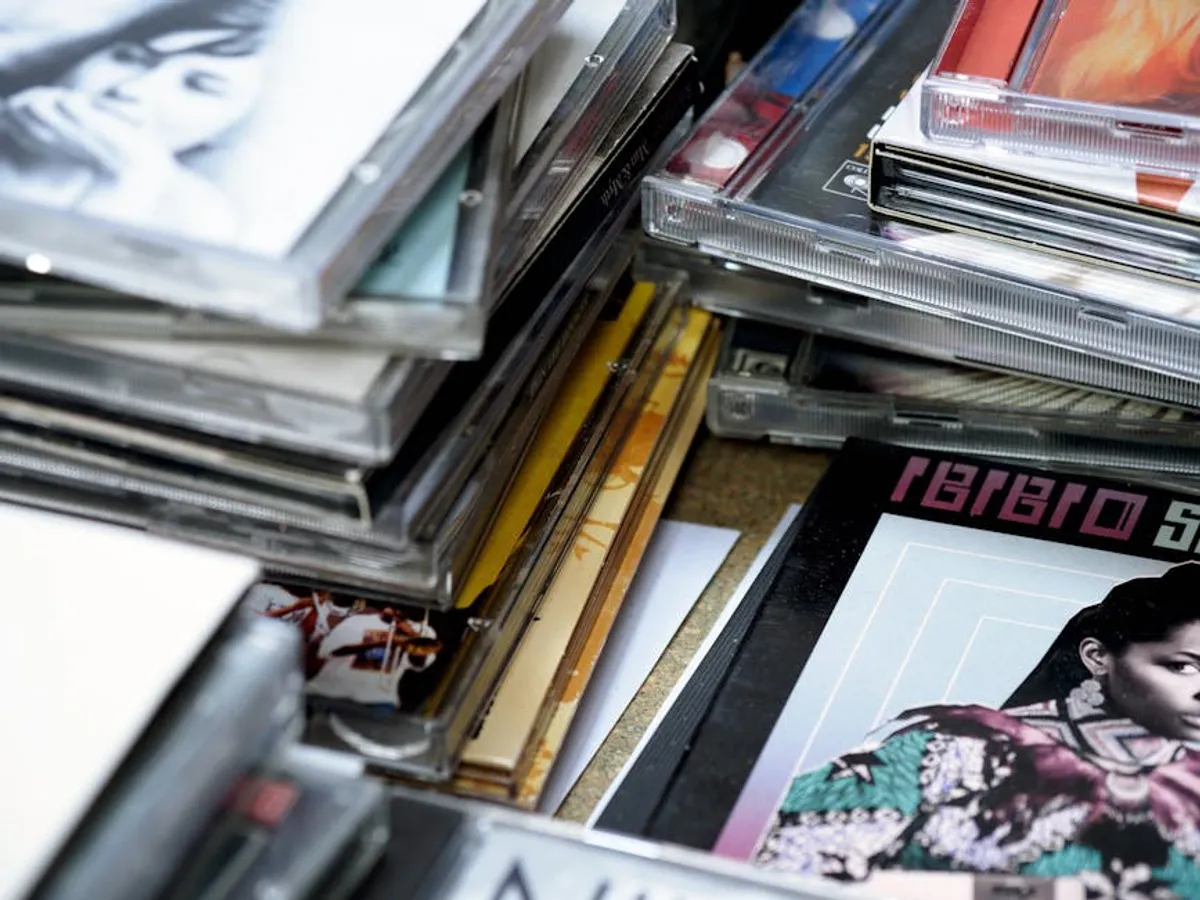
Entering the market for music memorabilia or collectible photography involves navigating a complex landscape of authenticity, provenance, and fluctuating market values. For those aiming to build a valuable collection, whether for personal enjoyment, investment, or historical preservation, a structured approach rooted in due diligence is essential. This guide outlines the critical factors influencing value and provides a framework for informed acquisition, ensuring your efforts yield tangible returns and lasting significance.
Understanding Value Drivers in Music Memorabilia
The commercial value of music memorabilia is not solely tied to an artist's popularity but rather to a confluence of specific attributes. Understanding these drivers is fundamental for making sound acquisition decisions.
Authenticity and Provenance Verification
Authenticity is paramount. An item's value hinges entirely on its verifiable origin and connection to the artist or event. Provenance, the documented history of ownership, provides this crucial verification. Collectors prioritize items with a clear chain of custody, ideally tracing back directly to the artist, their estate, or a primary source. Without robust provenance, even seemingly genuine items face significant devaluation in the secondary market.
Rarity and Condition Assessment
Scarcity directly correlates with value. Limited edition pressings, one-of-a-kind stage props, or unique handwritten lyrics command higher premiums due to supply constraints. The condition of an item also plays a critical role. A pristine, near-mint concert poster from 1968 will fetch substantially more than a creased, torn, or faded counterpart, even if both are authentic. Grading standards, often mirroring those in other collectibles markets, apply here, with minor imperfections significantly impacting appraisal.
Key Categories for Music Memorabilia Collectors
The breadth of music memorabilia offers diverse entry points, each with distinct market dynamics.
Signed and Stage-Used Artifacts
Autographed items, such as signed albums, guitars, or setlists, represent a direct connection to the artist. Their value is enhanced by the presence of a Certificate of Authenticity (COA) from a reputable third-party authenticator or a dealer with direct artist relationships. Stage-used items, including instruments, costumes, or microphones, carry significant historical weight. Documented usage, often through photographs or video footage, dramatically increases their desirability and market price.
Archival and Promotional Materials
Original concert posters, handbills, and promotional photographs from significant tours or album releases are highly sought after. Their value is often tied to the artist's peak popularity, the event's historical importance, and the artist who designed the artwork. Master recordings, demo tapes, or unreleased tracks, when legally acquired and authenticated, represent unique sonic artifacts with high collector appeal, often fetching substantial sums from institutions or private collectors.
Principles of Photography Collecting
Collecting photography, particularly in the music context, demands a specific understanding of print types, artist intent, and market structure.
Original Prints and Edition Control
For collectible photography, the distinction between an original print and a reproduction is critical. An original print is typically made by the photographer or under their direct supervision, often in a limited edition. Edition numbers (e.g., 1/25) are crucial, as earlier prints in a small edition generally hold higher value. Open edition prints, while sometimes signed, are less valuable due to unlimited availability. The specific photographic process (e.g., silver gelatin, platinum, chromogenic) also influences value, reflecting historical technique and aesthetic qualities.
Photographer's Legacy and Subject Impact
The reputation and artistic significance of the photographer are central to a print's value. Works by renowned music photographers, whose images have become iconic or defined an era, command higher prices. The subject matter's historical or cultural impact also plays a role. A photograph capturing a pivotal moment in music history (e.g., a legendary performance, an intimate portrait of an influential artist) will naturally be more valuable than a lesser-known image, even by the same photographer.
Due Diligence and Market Intelligence
Successful collecting relies on rigorous research and an informed understanding of market trends.
Leveraging Expert Appraisals and COAs
For high-value items, obtaining an independent appraisal from a recognized expert is indispensable. Appraisers provide an objective valuation based on market comparables, condition, and provenance. Similarly, COAs from trusted authenticators or established auction houses offer a layer of security. Always research the authenticator's reputation and methodology. A COA from a lesser-known or self-appointed authenticator holds little weight in the market.
Tracking Market Performance
Monitoring auction results and private sales provides crucial insight into current market demand and pricing. Databases from major auction houses (e.g., Sotheby's, Christie's) offer historical sales data. Specialized online platforms also track transactions for specific categories of memorabilia and photography. Identifying trends, understanding which artists or periods are gaining traction, and recognizing market saturation points are key to strategic acquisition.
Pro Tip: Never rely solely on a seller's valuation or anecdotal evidence. Cross-reference pricing against multiple recent sales of comparable, authenticated items. If an offer seems too good to be true, it almost certainly is.
Preservation Strategies for Asset Longevity
Proper storage and care are not just about aesthetics; they are critical for maintaining an item's long-term value and preventing degradation.
Environmental Controls and Archival Storage
All collectibles, especially paper-based items like photographs and posters, are susceptible to environmental damage. Maintaining stable temperature (around 68-72°F) and relative humidity (40-50%) is crucial to prevent warping, fading, and mold growth. Items should be stored in acid-free, lignin-free, and PVC-free archival materials. This includes Mylar sleeves, archival boxes, and museum-quality framing with UV-filtering glass for displayed pieces. Direct sunlight and fluorescent lighting should always be avoided.
- Temperature Stability: Minimize fluctuations to prevent material expansion and contraction.
- Humidity Control: Prevent mold and brittleness. Dehumidifiers or humidifiers may be necessary.
- Light Exposure: Store items away from direct sunlight and UV sources to prevent fading.
- Archival Materials: Use only acid-free, lignin-free, and PVC-free storage solutions for all items.
- Handling: Always handle items with clean, lint-free cotton gloves to avoid transferring oils and dirt.
Strategic Acquisition for Value Growth
Building a collection with appreciating value requires a focused, research-driven approach. Prioritize items with impeccable provenance, documented rarity, and excellent condition. Invest in authentication and appraisal for significant pieces. Understand that market trends can shift, so diversification across artists, eras, and item types can mitigate risk. Continuous education about the artists, photographers, and historical contexts relevant to your collection will enhance both your enjoyment and your ability to identify valuable opportunities.
Frequently Asked Questions
How do I verify the authenticity of a signed item?
Verification requires a Certificate of Authenticity (COA) from a reputable third-party authenticator or a dealer with a direct, documented relationship to the artist. Research the authenticator's credentials and track record, as not all COAs hold equal weight in the market.
What are the most common pitfalls for new collectors?
New collectors often fall victim to unauthenticated items, overpaying due to emotional attachment, or failing to properly assess condition. Lack of research into market values and provenance are primary risks.
How does market demand influence collectible photography prices?
Market demand directly impacts prices. Iconic images, works by historically significant photographers, and photographs of culturally important subjects or events tend to command higher prices, especially if they are rare, in excellent condition, and from a small edition.
Is collecting memorabilia a good investment?
While some items can appreciate significantly, collecting should primarily be driven by passion and historical interest. Treat it as a long-term asset class with inherent risks. Strategic acquisitions, combined with meticulous preservation and market knowledge, can yield financial returns, but guaranteed appreciation is never assured.