
For music photographers, a portfolio functions as more than a mere collection of images; it is a strategic commercial document designed to attract specific clients and secure paid assignments. Its primary purpose is to demonstrate technical proficiency, artistic vision, and, crucially, an understanding of client needs within the music industry. Developing an effective portfolio requires intentional curation, a clear understanding of target audiences, and a presentation strategy that highlights not just what you shoot, but how you solve problems for bands, labels, venues, and publicists.
Defining Your Portfolio's Commercial Purpose
Before selecting a single image, identify the type of work you want to attract. A portfolio optimized for touring bands seeking live performance shots will differ significantly from one targeting record labels for album art or artists needing promotional portraits. This initial clarity dictates image selection, sequencing, and even the platform used for presentation.
Niche Specialization for Targeted Clients
Focusing your portfolio on a specific sub-genre or photographic style within music photography can position you as an expert. Instead of presenting a general overview of all music, consider specializing in areas such as:
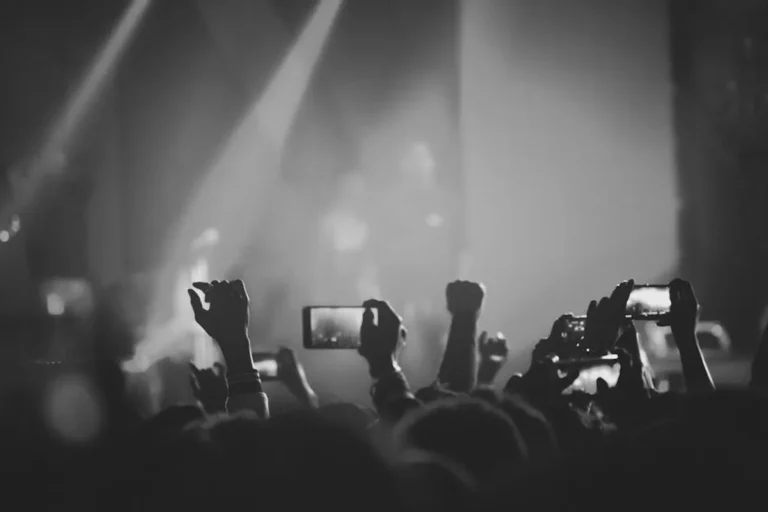
- Live Performance Photography: Emphasize dynamic action shots, unique lighting captures, and the energy of a concert. Clients here are often venues, promoters, or bands looking for tour documentation.
- Artist Promotional Photography: Showcase studio portraits, on-location shoots, and conceptual imagery designed for album cycles, press kits, and social media. Record labels, publicists, and individual artists are key clients.
- Documentary & Behind-the-Scenes: Feature candid moments, tour life, and storytelling images that reveal the artist's process or journey. This appeals to editorial publications, documentary filmmakers, or artists wanting deeper narrative content.
- Album Artwork & Creative Direction: Present highly stylized, conceptual images suitable for cover art or visual campaigns, often involving set design and post-production. Labels and art directors are primary targets.
By narrowing your focus, your portfolio communicates a clear value proposition, making it easier for potential clients to recognize if you are the right fit for their specific project.
Curating for Commercial Impact
Every image in your portfolio must serve a purpose beyond being visually appealing. It needs to demonstrate your ability to deliver results for a client.
Quality Over Quantity
Resist the urge to include every "good" photo you've ever taken. A commercial portfolio benefits from ruthless editing. Include only your absolute strongest, most relevant work. A tightly edited selection of 15-25 exceptional images is generally more effective than 50-100 average ones.
Pro Tip: When curating, ask yourself: "Does this image directly contribute to securing the type of work I want?" If the answer isn't a definitive 'yes,' exclude it. Clients often judge a portfolio by its weakest link.
Showcasing Versatility Within Your Niche
While specializing, demonstrate your range within that niche. For live photography, include shots from different venues, lighting conditions, and artist types. For promotional work, show various moods, poses, and conceptual approaches. This reassures clients that you can adapt to diverse requirements while maintaining your signature style.
Context and Narrative
Presenting images in series or with brief accompanying text can provide valuable context. For example, a series of five shots from a single concert can tell a more complete story of the performance than five disparate images. For promotional work, explaining the client's objective and your creative solution adds commercial depth.
Structuring Your Presentation
The way your portfolio is presented is as critical as the images themselves. It needs to be accessible, professional, and intuitive.
Digital Portfolio Platforms
A professional website is non-negotiable. It serves as your primary digital storefront. Ensure it is fast-loading, mobile-responsive, and features clean design that prioritizes your imagery. Consider dedicated portfolio platforms that offer robust galleries and customization options.
Key elements for a digital portfolio:
- High-resolution images with fast loading times.
- Clear navigation and intuitive user experience.
- An "About" section detailing your experience, approach, and client philosophy.
- A dedicated "Contact" page with multiple ways to reach you, including a professional email and phone number.
- Optional: A blog or news section for project updates and behind-the-scenes content.
Physical Portfolio (When Applicable)
While digital is dominant, a high-quality physical portfolio can make a strong impression in specific scenarios, such as in-person meetings with art directors or record label executives. This should be a meticulously printed, bound book featuring a smaller, highly curated selection of your best work, often with a different emphasis than your digital counterpart.
Enhancing Client Engagement
Your portfolio should actively engage potential clients and make the next step clear.
Client Testimonials and Logos
Social proof is powerful. Include testimonials from previous clients that speak to your professionalism, reliability, and the quality of your work. Displaying logos of notable bands, labels, or publications you've worked with instantly builds credibility and trust.
Clear Call to Action
Do not assume clients will know what to do next. End your portfolio presentation, especially on your website, with a clear call to action. This could be "Contact me for a project quote," "Schedule a consultation," or "View my full client list."
Refining Your Music Photography Portfolio
A portfolio is not a static document; it requires ongoing refinement. Regularly review your work, remove outdated images, and add new, stronger pieces. Solicit feedback from trusted peers or mentors in the industry. Align your portfolio continually with the commercial opportunities you seek, ensuring it remains a dynamic and effective tool for business growth.
Frequently Asked Questions
How many images should a music photography portfolio contain?
For a primary online portfolio, aim for 15-25 of your absolute strongest images. A physical portfolio for in-person meetings might be even more concise, typically 10-15 images, focusing on print quality and impactful presentation.
Should I include personal projects in my commercial portfolio?
Only include personal projects if they directly align with the type of commercial work you want to attract and demonstrate skills or a creative vision relevant to potential clients. If a personal project showcases a style or subject matter you wish to be hired for, it can be valuable.
How often should I update my music photography portfolio?
Review and update your portfolio at least quarterly, or immediately after completing a significant project that yields new, strong work. Remove older, weaker images as you produce better ones, ensuring your portfolio always represents your current skill level and desired direction.
Is it better to have a single, comprehensive portfolio or multiple specialized ones?
For most music photographers, a single, well-curated online portfolio with distinct, clearly labeled galleries for different niches (e.g., "Live," "Promo," "Editorial") is effective. This allows clients to quickly navigate to their area of interest without maintaining separate websites.