Celebrity photography didn't emerge from nothing. It draws on a portrait tradition extending back centuries — through painted portraiture, early photographic portraiture, and the gradual development of conventions that contemporary celebrity portraits continue to use. Understanding the tradition's conventions deepens engagement with the contemporary work.
The painted portrait tradition
European painted portraiture from roughly the 15th through 19th centuries developed conventions that subsequent photography inherited:
The pose conventions. Three-quarter face turns, the gaze slightly off-camera, hands positioned to suggest character or status — these conventions emerged from painted portraits and continue in contemporary portrait photography.
The lighting conventions. Light from one side, gradual fall-off, specific treatment of facial structure — the lighting that flatters faces was developed in painting and refined in subsequent photography.
The compositional conventions. The relationship between subject and background, the proportions of the figure within the frame, the specific position of features — all inherited from painted traditions.
The status signaling conventions. What objects and settings appear in the portrait, what clothing the subject wears, how the subject is positioned relative to power signifiers — painted portraits developed elaborate vocabularies for status signaling that continue in photographic celebrity work.
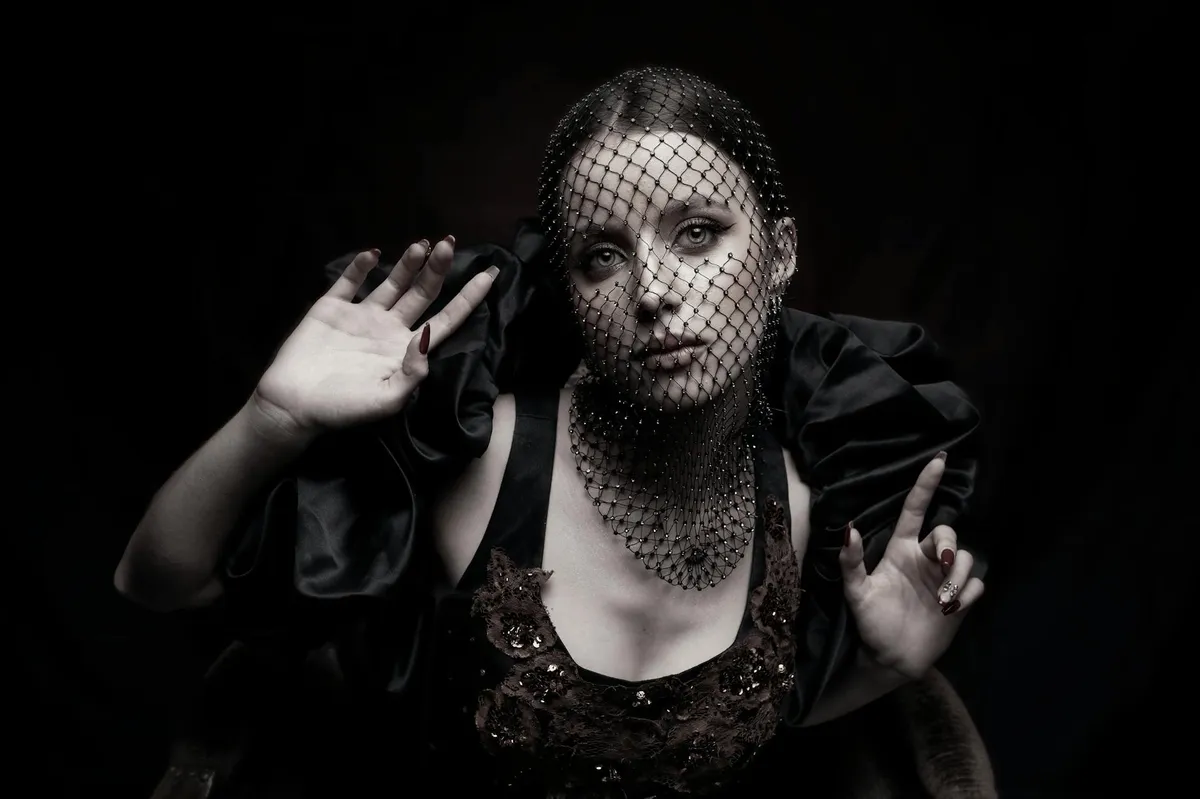
Contemporary celebrity portrait photography uses these conventions consciously or unconsciously. Photographers trained in art history use them deliberately; others reproduce them through cultural inheritance.
The early photographic portraits
Early photographic portraiture (roughly 1840-1900) developed photographic-specific conventions while inheriting from painted traditions:
The studio portrait convention. Subjects sat in dedicated studios with controlled backgrounds, specific lighting setups, and standardized poses. The convention produced thousands of portraits with consistent visual vocabulary.
The formal portrait convention. Subjects positioned formally, often with specific objects or architectural backgrounds, dressed in their best clothing. The convention treated portrait sitting as significant occasion.
The carte de visite convention. Small format portraits exchanged as social documents, accelerating the spread of photographic portraiture beyond elite contexts.
The early celebrity portrait. By late 19th century, photographers like Nadar in Paris were producing portraits of famous figures (writers, artists, intellectuals, politicians) that established many conventions of subsequent celebrity photography.
The 20th-century developments
The 20th century saw substantial development of celebrity portrait photography as the contemporary form took shape:
Hollywood studio photography (1920s-1950s). The studio system produced enormous quantities of celebrity portraiture, often with specific photographers (George Hurrell, Clarence Sinclair Bull, others) developing distinctive styles. The Hollywood glamour convention was largely codified during this period.
Vogue and Vanity Fair tradition. Fashion publications established conventions for celebrity portraiture that emphasized aesthetic refinement alongside celebrity recognition. Photographers including Edward Steichen, Cecil Beaton, Irving Penn worked extensively in this tradition.
Magazine photojournalism (1940s-1970s). Photographers including Philippe Halsman, Yousuf Karsh, Arnold Newman developed approaches that captured public figures in ways that suggested character beyond celebrity surface. Their work produced many of the most-canonical portraits of mid-century cultural figures.
The personality-led portrait. Late 20th century saw photographers including Annie Leibovitz, Mark Seliger, Mary Ellen Mark develop approaches centered on the photographer's personality and vision in addition to the subject's. The photographer became part of the portrait's identity.
The contemporary inheritance
Contemporary celebrity portrait photography draws on all of this history, sometimes consciously, often unconsciously. The conventions continue to shape what celebrity portraits look like:
- Studio settings remain common despite their painted-tradition origins
- Specific lighting setups recur from photographer to photographer
- Pose conventions persist across generations
- Status signaling continues through specific objects, clothing, and settings
- The relationship between photographer vision and subject identity continues to be negotiated
Understanding the inheritance helps viewers see contemporary celebrity portraits as participating in tradition rather than as standalone images.
What contemporary work adds
Contemporary celebrity portraiture adds elements that earlier traditions didn't have:
Digital production. The ability to produce immediate results and elaborate post-processing has changed both the photographic process and the final images.
Social media context. Celebrity portraits now circulate in social media contexts that earlier images didn't have. The format affects what makes images effective.
Subject participation in image control. Subjects often have more direct image control through social media, agreements with photographers, and approval processes for images.
Diverse aesthetic conventions. Contemporary work draws on broader aesthetic vocabularies than earlier centralized traditions. The variety enables both more interesting work and more variable quality.
How to look at contemporary celebrity portraits
For engaging with contemporary celebrity portraits with the inheritance in mind:
- Notice the conventions being used. Studio vs. environmental setting, formal vs. casual posing, traditional vs. innovative composition.
- Consider what aesthetic tradition the photograph draws on. Hollywood glamour? Magazine portraiture? Documentary tradition? Contemporary editorial?
- Notice the relationship between photographer and subject visible in the image. Collaborative, adversarial, distanced, intimate?
- Consider how the image will function in subsequent cultural memory. Is it the kind of image that becomes defining, or the kind that fades?
- Compare with images of the same subject by other photographers. The differences reveal what specific photographers contribute.
The closing observation
Celebrity portrait photography is a form with deep history. The contemporary work continues conventions developed across centuries. Engaging with the tradition deepens engagement with current images.
For viewers interested in celebrity photography, the historical tradition rewards study. The contemporary work makes more sense in context; the historical work continues to influence what subsequent photographers produce.