
The 2025 Mazda 3 occupies a distinct space in the compact vehicle market, appealing to buyers who prioritize a blend of refined driving dynamics, upscale interior appointments, and distinctive design over raw utility or budget-first positioning. It serves as a bridge between mainstream compacts and entry-level luxury offerings, making it a relevant consideration for those seeking a more engaging and aesthetically pleasing daily driver without a significant financial leap into premium brands. This guide details its core attributes, intended applications, and specific features to help prospective owners understand its value proposition.
Design and Engineering Principles
The Mazda 3's visual and mechanical identity stems from a consistent application of Mazda's core philosophies.
Kodo Design Evolution
The "Kodo – Soul of Motion" design language defines the Mazda 3's exterior, characterized by minimalist forms and flowing lines that create a sense of movement, even at rest. For the 2025 model year, this translates into a sculpted body that minimizes character lines, relying instead on reflections and light play across its surfaces. The sedan variant emphasizes elegance with a classic three-box silhouette, while the hatchback offers a more aggressive, sport-oriented stance with a distinctive C-pillar design. This approach differentiates it from competitors that often feature more angular, complex styling, aiming for a timeless aesthetic.
Skyactiv Technology Integration
Underpinning the Mazda 3 is the Skyactiv-Vehicle Architecture, engineered to optimize the connection between the driver and the road. This involves a focus on body rigidity, suspension geometry, and seating posture to achieve a more natural and intuitive driving feel. The chassis is designed to respond linearly to driver inputs, contributing to a predictable and confidence-inspiring experience. This engineering commitment extends to noise, vibration, and harshness (NVH) reduction, employing strategic sound deadening and material choices to create a quieter cabin environment, particularly at highway speeds.
Powertrain and Performance Specifications
The 2025 Mazda 3 offers a selection of engines and drivetrain configurations designed to balance efficiency with responsive performance.
Engine Choices and Transmission
The primary engine options typically include a naturally aspirated 2.5-liter four-cylinder engine, delivering a balance of power and fuel economy suitable for daily commuting. For drivers seeking more spirited acceleration, a turbocharged 2.5-liter four-cylinder engine is available, significantly boosting horsepower and torque output. Both engines are generally paired with a smooth-shifting six-speed automatic transmission. Manual transmission options have historically been offered on select trims, catering to enthusiasts who prefer direct control over gear changes, though availability can vary by market and model year specifics.
All-Wheel Drive Availability
A key differentiator for the Mazda 3 in the compact segment is the availability of Mazda's i-Activ AWD system. This predictive all-wheel-drive system monitors various factors, including wheel speed, engine RPM, and steering angle, to proactively distribute torque to the wheels with the most grip. This enhances traction and stability in adverse weather conditions or on slippery surfaces, providing an added layer of security and performance not commonly found in its direct FWD-only competitors.
Cabin Experience and Infotainment
The interior of the 2025 Mazda 3 is designed with a focus on driver ergonomics, material quality, and intuitive technology integration.
Material Quality and Ergonomics
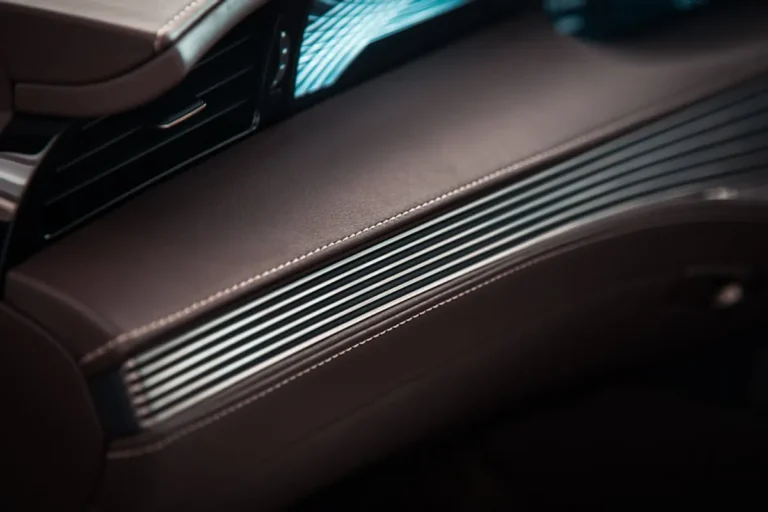
The cabin employs a thoughtful selection of materials, including soft-touch plastics, available leatherette or genuine leather upholstery, and satin chrome accents. The dashboard layout is clean and uncluttered, with controls logically positioned for ease of use. The driver-centric cockpit features a comfortable seating position, with good outward visibility and supportive seats designed for longer journeys. Rear passenger space is adequate for a compact vehicle, suitable for two adults or children, though taller passengers may find legroom limited on extended trips.
Connectivity and Driver-Assist Systems
Standard infotainment features typically include an 8.8-inch or 10.25-inch central display screen, controlled via a rotary commander knob and physical buttons on the center console, minimizing the need for touchscreen interaction while driving. Apple CarPlay and Android Auto integration are standard, providing seamless smartphone connectivity. The 2025 model continues to offer a comprehensive suite of i-Activsense safety features, which may include:
- Radar Cruise Control with Stop & Go
- Smart Brake Support
- Lane-keep Assist System
- Lane Departure Warning System
- Blind Spot Monitoring with Rear Cross Traffic Alert
- Driver Attention Alert
These systems work cohesively to enhance driver awareness and mitigate potential collisions, contributing to the vehicle's overall safety profile.
Market Positioning and Driver Profile
The Mazda 3 targets specific segments of the automotive market, appealing to drivers with particular needs and preferences.
Urban Commuters and Small Families
Its compact dimensions make the Mazda 3 maneuverable in urban environments, easy to park, and efficient for daily commutes. The sedan offers a practical trunk for groceries and luggage, while the hatchback provides increased versatility for bulkier items or weekend gear. For small families, the available AWD and comprehensive safety features offer peace of mind, though those regularly transporting multiple children or large items might seek larger vehicle classes.
Enthusiasts Seeking Value
The Mazda 3's emphasis on driving dynamics, premium feel, and available turbocharged engine options makes it attractive to enthusiasts who appreciate a more engaging driving experience without the higher price tag of dedicated sports cars or luxury performance sedans. It offers a refined alternative to more utilitarian compacts, blending everyday usability with a touch of driving excitement.
Pro Tip: When evaluating the 2025 Mazda 3, pay close attention to the specific trim levels and optional packages. Mazda often bundles desirable features, such as the turbocharged engine or advanced safety suites, into higher trims. Comparing the value proposition of these packages against your personal priorities is crucial, as moving up a trim can significantly alter the driving experience and feature set.
Long-Term Value and Ownership
Understanding the ownership experience beyond the initial purchase is essential for any vehicle.
Maintenance Schedule and Cost Implications
Mazda vehicles generally follow a standard maintenance schedule, with service intervals typically every 7,500 to 10,000 miles, depending on the specific model and driving conditions. Routine maintenance costs are competitive within the compact segment, and parts availability is widespread. The Skyactiv engines are designed for durability and efficiency, contributing to predictable long-term running costs, assuming adherence to the manufacturer's recommended service intervals.
Resale Market Performance
Historically, Mazda vehicles, including the Mazda 3, have demonstrated respectable resale values. Factors contributing to this include the brand's reputation for reliability, the vehicle's premium design, and its engaging driving characteristics, which appeal to a consistent buyer base. While not always leading its segment in resale, the Mazda 3 typically holds its value well, providing a reasonable return on investment for owners.
2025 Model Year Enhancements
For the 2025 model year, the Mazda 3 is expected to refine its existing strengths rather than introduce a complete overhaul.
Anticipated Updates and Standard Features
Likely enhancements for 2025 include minor styling tweaks, potential updates to the infotainment system's software or screen size, and perhaps expanded availability of certain driver-assist features across more trim levels. Mazda often introduces subtle improvements to material finishes, sound insulation, and connectivity options year-over-year. Buyers should anticipate a continuation of the current model's strong foundation, with incremental advancements focused on user experience and technological integration, ensuring it remains competitive in its segment.
Making an Informed Decision
The 2025 Mazda 3 stands as a compelling option for those seeking a compact vehicle that transcends basic transportation. Its blend of sophisticated design, refined driving dynamics, and a premium interior sets it apart. Prospective owners should evaluate their priorities regarding performance, technology, and space to determine if the Mazda 3's specific strengths align with their daily needs and long-term expectations. A thorough test drive of both the naturally aspirated and turbocharged variants, if available, is recommended to fully appreciate the differences in driving character.
Frequently Asked Questions
What are the primary engine options for the 2025 Mazda 3?
The 2025 Mazda 3 typically offers a naturally aspirated 2.5-liter four-cylinder engine and an available turbocharged 2.5-liter four-cylinder engine, both paired with a six-speed automatic transmission. Manual transmission availability varies by trim and region.
Is all-wheel drive available on the 2025 Mazda 3?
Yes, Mazda's i-Activ AWD system is available on select trims of the 2025 Mazda 3, providing enhanced traction and stability in various driving conditions.
What infotainment features are standard in the 2025 Mazda 3?
Standard infotainment typically includes an 8.8-inch or 10.25-inch central display, controlled by a rotary commander, with Apple CarPlay and Android Auto integration.
Does the 2025 Mazda 3 come in both sedan and hatchback body styles?
Yes, the 2025 Mazda 3 is available in both a four-door sedan and a five-door hatchback body style, offering different aesthetic and practicality benefits.