The Dacia Spring enters the electric vehicle market as a distinct proposition, prioritizing accessibility and urban utility over high performance or luxury features. For consumers evaluating an entry-level EV, understanding the Spring's specific design philosophy and practical limitations is crucial. It is positioned not as a direct competitor to premium electric cars, but as an affordable, compact solution for daily city commutes and short-distance travel, targeting buyers who value low running costs and a straightforward ownership experience.
The Dacia Spring's Market Philosophy
Dacia's strategy with the Spring is rooted in "essentialism" – providing core functionality without unnecessary embellishments. This approach translates into a vehicle designed to be the most affordable new electric car in many European markets. Its "meaning" in the broader automotive landscape is to democratize EV ownership, making electric mobility attainable for a wider segment of the population. This focus dictates its specifications, material choices, and performance envelope, ensuring that cost remains a primary driver of its development.
Target Audience: The Spring primarily appeals to:
- Urban dwellers seeking a compact, maneuverable car for city traffic and parking.
- Households looking for a second car dedicated to local errands and school runs.
- Budget-conscious buyers prioritizing low purchase price and minimal running costs over range or acceleration.
- Drivers transitioning to electric vehicles who prefer a simpler, less complex driving experience.
Practical Applications and Ideal Use Cases
The Dacia Spring is engineered for specific driving scenarios. Its compact dimensions (typically around 3.7 meters long) make it adept at navigating narrow city streets and fitting into tight parking spaces. The elevated ground clearance, a subtle nod to SUV styling, offers a slightly commanding view and can handle minor urban obstacles like speed bumps more comfortably. Its primary "uses" revolve around daily urban and suburban commutes where speeds rarely exceed 50-70 km/h (30-45 mph).
Typical Driving Environment:
- City Commutes: Its small turning circle and responsive low-speed acceleration are well-suited for stop-and-go traffic.
- Short-Distance Travel: Ideal for daily trips to work, grocery shopping, or visiting local amenities.
- Fleet Use: Attractive to companies requiring a cost-effective, low-emission vehicle for urban deliveries or service calls.
- Second Family Car: Serves effectively as a supplementary vehicle for household tasks, reducing reliance on larger, more expensive cars for short trips.
While the Spring can technically travel on highways, its limited power output and range make extended high-speed journeys less comfortable and less efficient, significantly impacting its battery life and requiring more frequent charging stops.
Core Specifications and Performance Details
The Dacia Spring's technical specifications reflect its urban focus. It typically features a modest electric motor and battery capacity, calibrated for efficiency within its intended operational envelope. Early models often came with a 33 kW (44 hp) motor, later augmented by a more powerful 48 kW (65 hp) option, offering slightly improved acceleration for urban overtaking.
Key Performance Metrics (varies by model year and trim):
- Motor Power: Often 33 kW (44 hp) or 48 kW (65 hp).
- 0-100 km/h (0-62 mph): Around 19 seconds for the 44 hp version, improving to approximately 13.7 seconds for the 65 hp variant. This indicates its non-sporty, utility-focused acceleration.
- Top Speed: Typically limited to 125 km/h (78 mph), sufficient for most urban and some suburban roads.
- Battery Capacity: Commonly a 26.8 kWh (net) battery pack.
- WLTP Range: Approximately 220-230 km (137-143 miles) for the combined cycle, often dropping to around 140-150 km (87-93 miles) in real-world highway driving or colder conditions.
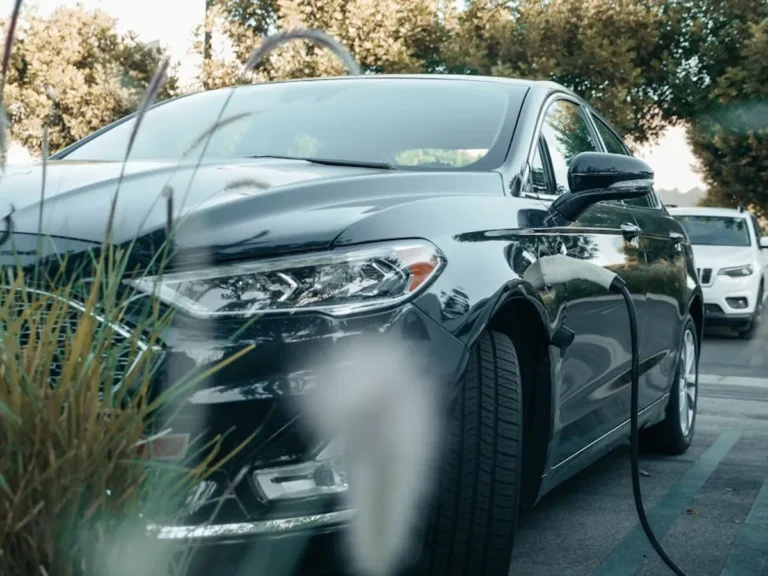
Charging capabilities are straightforward. The Spring supports AC charging up to 7 kW, allowing a full charge from a wallbox in roughly 4-5 hours. Optional DC fast charging (typically up to 30 kW) can replenish 0-80% in under an hour, a valuable feature for occasional longer trips.
Design and Interior Functionality
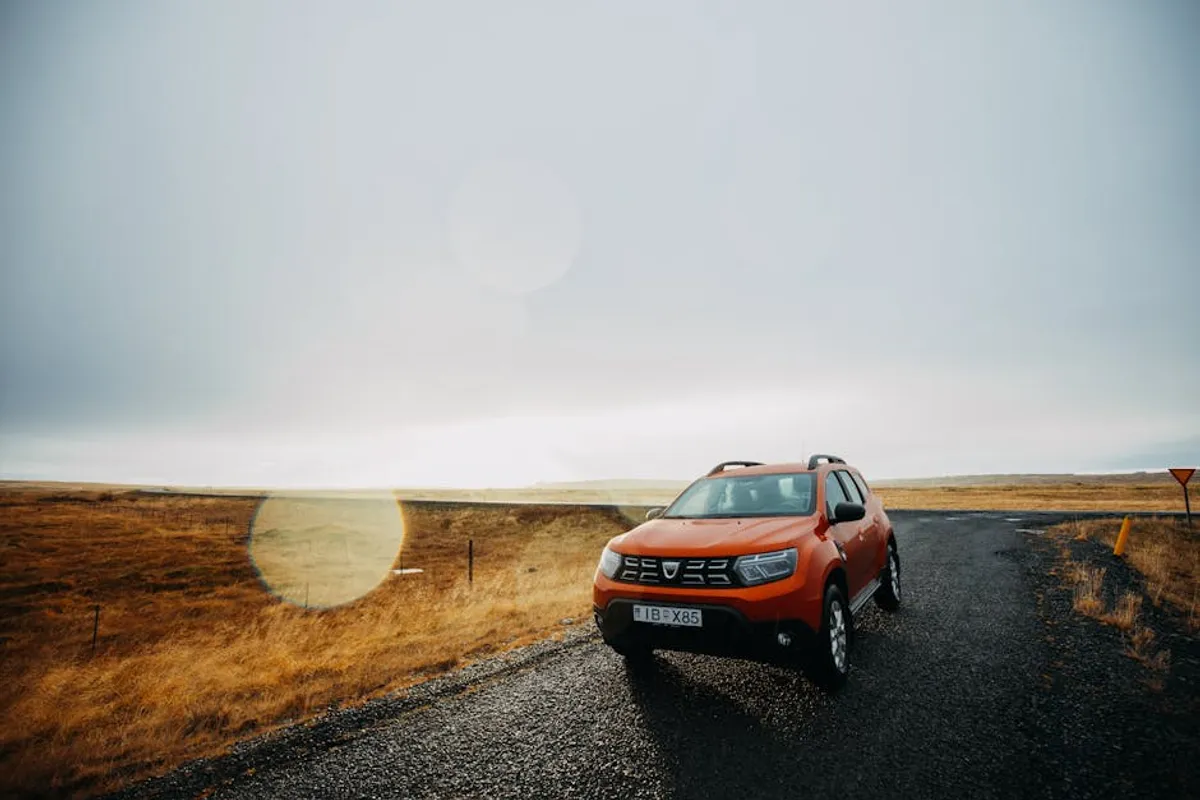
The Dacia Spring's exterior design is characterized by its compact SUV-like proportions, featuring plastic cladding and roof rails that contribute to its robust, utilitarian aesthetic. Its small footprint, combined with a relatively generous 151 mm (6 inches) ground clearance, helps it navigate varied urban terrains.
Inside, the cabin prioritizes durability and practicality. Materials are largely hard-wearing plastics, chosen for longevity and ease of cleaning rather than luxury. The infotainment system, often a 7-inch touchscreen with smartphone mirroring (Apple CarPlay and Android Auto), provides essential connectivity. Despite its compact exterior, the Spring offers a respectable boot capacity, typically around 270-300 liters, expandable with folded rear seats, making it practical for groceries or small luggage.
Pro Tip: When evaluating the Dacia Spring, focus on its "cost per usable mile" for your specific commute rather than comparing its outright range to more expensive EVs. Its lower purchase price and minimal energy consumption in urban settings can yield significant long-term savings, but only if its range aligns with your daily driving habits without requiring frequent, inconvenient recharges. Factor in local electricity costs and potential government incentives.
Ownership Considerations
Owning a Dacia Spring comes with distinct advantages, primarily centered on cost efficiency. Electric vehicles generally incur lower maintenance costs due to fewer moving parts compared to internal combustion engines. The Spring's simple construction further contributes to reduced service expenses.
Key Ownership Aspects:
- Running Costs: Significantly lower per kilometer/mile than petrol cars, especially when charging at home during off-peak hours.
- Maintenance: Simplified servicing requirements, primarily focusing on tires, brakes, and fluid checks (e.g., windshield washer fluid).
- Safety: Early iterations of the Spring received a 1-star Euro NCAP safety rating, primarily due to limited active safety features and structural performance in certain tests. Later models have seen some improvements, but buyers should review specific model year ratings. The focus is on fundamental passive safety rather than advanced driver-assistance systems (ADAS) found in higher-priced EVs.
- Resale Value: As an entry-level EV, its long-term depreciation trajectory will be influenced by battery health, evolving EV technology, and market demand for affordable used electric cars.
Making an Informed Decision
The Dacia Spring serves a well-defined niche: the affordable, practical urban electric car. Its "meaning" is to offer basic, dependable electric transport. Its "uses" are predominantly city-centric, and its "key details" reflect a design philosophy that prioritizes cost-effectiveness and functionality. Prospective buyers should align their expectations with these core tenets. If your driving patterns are primarily urban, your budget is constrained, and you value simplicity and low running costs over expansive range or luxury, the Spring warrants serious consideration. For those requiring frequent long-distance travel or advanced technology, other EVs will be more suitable. Evaluate your daily mileage, access to charging infrastructure, and specific safety priorities before committing.
Frequently Asked Questions
Is the Dacia Spring suitable for highway driving?
While capable of reaching highway speeds, its limited power and range mean it is not optimized for extended highway journeys, which will significantly deplete the battery faster and reduce overall efficiency.
What is the real-world range of the Dacia Spring?
The WLTP range is typically around 220-230 km (137-143 miles). In real-world urban driving, you might achieve closer to this, but highway use or cold weather can reduce it to 140-150 km (87-93 miles) or less.
How long does it take to charge a Dacia Spring?
Using a 7 kW AC wallbox, a full charge takes approximately 4-5 hours. With an optional 30 kW DC fast charger, it can reach 0-80% in under an hour.
Does the Dacia Spring support Apple CarPlay or Android Auto?
Yes, many versions of the Dacia Spring include a 7-inch infotainment touchscreen with support for both Apple CarPlay and Android Auto for smartphone integration.