In the dynamic landscape of digital content, capturing the raw energy and fleeting moments of live music performance presents a unique challenge and a significant opportunity for artists, venues, and marketers. Effective music photography transcends simple documentation; it translates the ephemeral experience of a concert into tangible visual assets that resonate with audiences long after the final note fades. This visual content serves as a critical component in digital marketing strategies, brand building, and audience engagement, offering a window into the artist's world and the venue's atmosphere.
The Imperative of Visual Documentation for Live Events
Live performances are inherently transient, making their visual capture essential for extending their impact beyond the immediate moment. For artists, high-quality photography is not just a memento; it's a professional necessity for press kits, social media, and tour promotion. For venues, it highlights the caliber of their events and their unique ambiance, attracting future acts and audiences. Marketers leverage these images to craft compelling narratives, drive engagement, and convert interest into attendance or merchandise sales.
Key benefits:
- Brand Storytelling: Photos convey the artist's persona, stage presence, and the emotional connection with the audience more authentically than text alone.
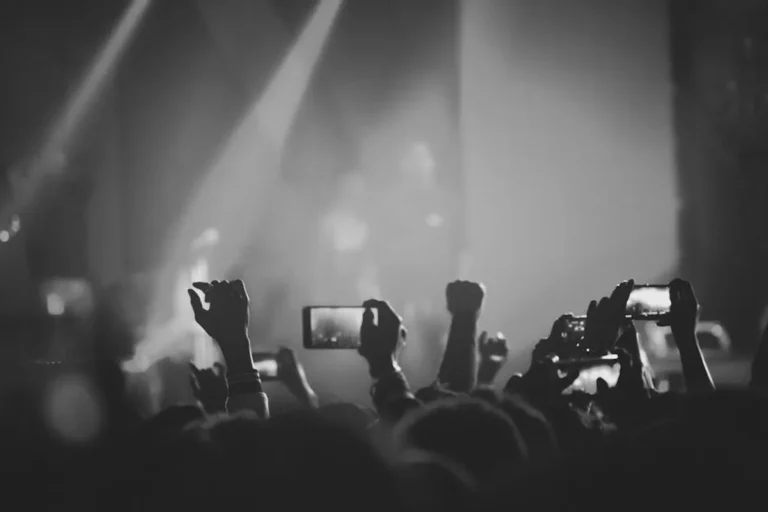
- Audience Engagement: Shareable content for social media, fostering community and generating buzz around past and future events.
- Promotional Assets: Essential for tour announcements, album releases, and venue advertising, providing visual proof of an artist's live appeal.
- Archival Value: A historical record of an artist's career trajectory and a venue's programming, contributing to their long-term legacy.
Technical and Artistic Approaches to Capturing Energy
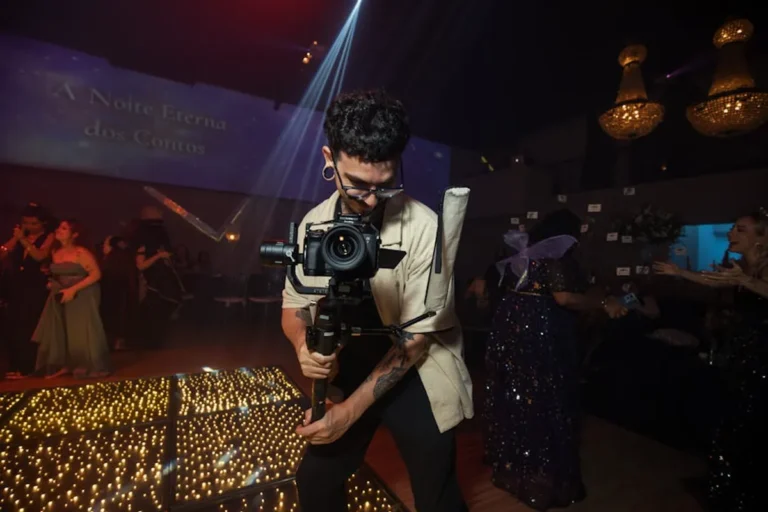
The success of live music photography hinges on a blend of technical proficiency and artistic vision. Photographers must navigate challenging lighting, rapid movement, and often restricted access to produce images that convey the intensity and emotion of the moment. Photographers must navigate challenging lighting, rapid movement, and often restricted access to produce images that convey the intensity and emotion of the moment, a skill honed through dedicated practice in photographing live events.
Anticipating Key Moments and Gestures
Effective music photography is rarely accidental. Experienced photographers develop an acute sense of anticipation, predicting peak action, emotional expressions, and iconic poses. This involves understanding the artist's typical performance style, studying setlists, and observing crowd reactions. Capturing these decisive moments transforms a mere snapshot into a powerful visual narrative.
Mastering Low-Light Environments
Concert venues are often dimly lit, relying on spotlights and atmospheric effects. Photographers employ fast lenses (large apertures like f/2.8 or wider) to gather maximum available light, allowing for faster shutter speeds to freeze motion and lower ISO settings to minimize digital noise. Strategic use of ambient light, rather than relying on flash, preserves the natural mood and avoids distracting the performers or audience.
Strategic Use of Motion Blur and Composition
While sharpness is often paramount, intentional motion blur can convey movement and energy, particularly in dynamic shots of instruments or performers in motion. Compositionally, photographers use various angles – from wide shots capturing the entire stage and audience to tight close-ups on instruments or faces – to tell a comprehensive story. Leading lines from stage lights, crowd hands, or instrument necks guide the viewer's eye through the frame, adding depth and dynamism.
Pro Tip: Always secure proper accreditation and understand venue-specific photography rules before an event. Unauthorized flash use or obstructed views can lead to immediate removal, jeopardizing future access and the opportunity to capture valuable marketing assets.
The Role of Lighting and Atmosphere in Visual Storytelling
Lighting is a primary tool for live music photographers. It shapes the mood, highlights performers, and creates dramatic effects. Photographers learn to "read" the stage lighting, positioning themselves to capture subjects illuminated by spotlights, backlights, or colored gels. These elements are not just technical challenges; they are integral to the visual storytelling, emphasizing the theatricality and emotional arc of a performance. The interplay of light and shadow can convey intensity, intimacy, or grandeur, directly influencing how the audience perceives the artist's brand and the event's overall vibe.
Commercially Leveraging Live Music Photography
Beyond the artistic merit, the commercial value of well-executed live music photography is substantial for marketing professionals and content strategists.
Social Media Engagement and Content Strategy
High-quality concert photos are prime content for platforms like Instagram, Facebook, and X (formerly Twitter). They generate likes, shares, and comments, driving organic reach and fostering community. Strategically scheduled posts can tease upcoming shows, celebrate past successes, or simply keep an artist or venue top-of-mind. This visual content directly supports social media campaigns, driving traffic to ticketing pages or merchandise stores.
Press Kits and Promotional Materials
For artists, a strong portfolio of live performance images is indispensable for securing bookings, attracting media coverage, and building a professional image. These photos populate electronic press kits (EPKs), website galleries, and promotional posters. For venues, they demonstrate the quality of their events, attracting top-tier talent and sponsors.
Archival Value and Legacy Building
Over time, a curated collection of live performance photography becomes a visual history, documenting an artist's evolution or a venue's storied past. This archive provides rich material for retrospectives, documentaries, and fan engagement initiatives, reinforcing brand loyalty and extending the cultural impact of the performances.
Maximizing the Impact of Your Visual Assets
To fully capitalize on live music photography, consider these actionable steps:
- Curate Selectively: Focus on a diverse set of images that capture different facets of the performance – close-ups, wide shots, audience interaction, emotional peaks.
- Optimize for Platforms: Resize and format images appropriately for various digital channels (e.g., Instagram stories, website headers, email newsletters) to ensure optimal display and load times.
- Consistent Branding: Ensure photos align with the artist's or venue's overall brand aesthetic and messaging.
- Metadata and SEO: Tag images with relevant keywords, artist names, venue names, and dates to improve discoverability in image searches.
- Licensing and Permissions: Always ensure proper rights and permissions are secured for both the photographer and the subjects, especially for commercial use.
Frequently Asked Questions
What makes a live music photo commercially valuable?
Commercial value stems from an image's ability to evoke emotion, tell a story, and resonate with a target audience, thereby driving engagement, promoting events, or enhancing brand perception. Technical quality, unique composition, and clear depiction of key moments contribute significantly.
How do artists and venues effectively use these photos in marketing?
Artists use them for press kits, social media content, album art, and tour posters. Venues leverage them to showcase their event quality, attract future bookings, and promote upcoming shows on their websites and social channels, often cross-promoting with artists.
What are the primary challenges in live music photography?
Key challenges include low and unpredictable lighting conditions, rapid subject movement, restricted access within venues, and the need to capture decisive moments without disrupting the performance or audience experience.
How does live music photography contribute to an artist's online presence?
It provides compelling visual content that fuels social media engagement, enhances website aesthetics, and creates a professional, aspirational image. High-quality photos improve shareability, extending an artist's reach and attracting new fans.