Photographing awards events demands a distinct blend of technical precision, anticipatory awareness, and commercial understanding. These occasions are often high-stakes for organizers and recipients, representing significant investments in brand reputation, public relations, and internal morale. The resulting imagery serves not merely as documentation, but as a critical asset for marketing campaigns, press releases, social media engagement, and archival purposes. Delivering professional-grade photographs requires meticulous planning, strategic execution during the event, and an efficient post-production workflow to capture the gravitas, excitement, and human connection inherent in celebrating achievement.
Pre-Event Planning and Communication
Success in awards event photography begins long before the first guest arrives. Thorough preparation minimizes surprises and ensures you can focus on capturing key moments as they unfold.
Understanding the Event Schedule and Key Moments
Obtain a detailed itinerary or run-of-show from the event organizers. This document is your roadmap, highlighting critical timings for speeches, award presentations, performances, and any red carpet or networking sessions. Identify the individuals and groups who are central to the event, such as keynote speakers, VIPs, award presenters, and recipients. Knowing the flow allows you to position yourself strategically and anticipate peak action.
- Arrivals/Red Carpet: Focus on capturing individual and group portraits, sponsor backdrops.
- Networking Receptions: Candid interactions, wide shots of the atmosphere.
- Dinner/Performances: Stage shots, audience reactions, detail shots of decor.
- Awards Ceremony: Handshakes, reactions, speeches, presenter-recipient interactions.
- Post-Ceremony: Candid celebrations, group photos with awards.
Venue Reconnaissance
A pre-event site visit is invaluable. Assess the lighting conditions in different areas: the stage, reception zones, and any specific photo opportunities. Note the presence of spotlights, ambient light sources, and potential mixed color temperatures. Identify potential backdrops and distracting elements. Understand the stage setup, including any podiums, screens, or branding, and determine the best angles for unobstructed views. Inquire about restricted areas or movement guidelines during the ceremony to avoid last-minute access issues.
Consider:
- Power outlets for charging.
- Storage for extra gear.
- Emergency exits and pathways.
- Acoustics, which can impact sound triggers if using remote flashes.
Gear Selection
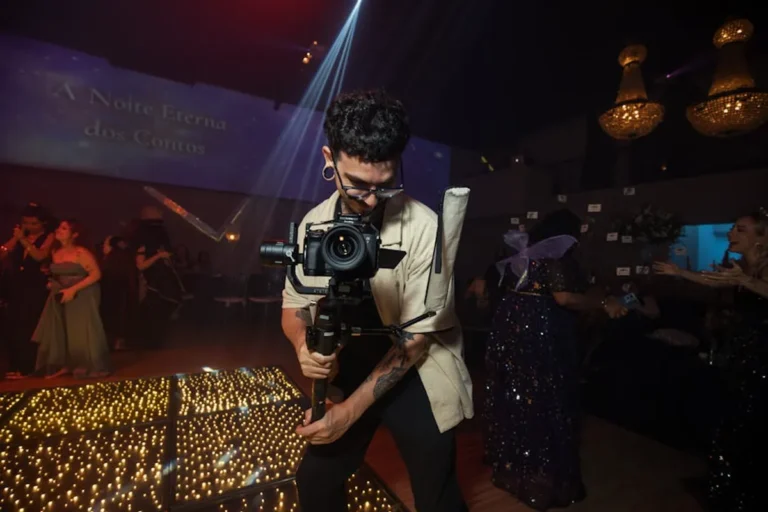
The right equipment ensures versatility and reliability. A minimum of two professional-grade camera bodies is essential for redundancy and the ability to switch between lenses quickly without missing a shot. Fast prime lenses (e.g., 50mm f/1.4, 85mm f/1.4) and versatile zoom lenses (e.g., 24-70mm f/2.8, 70-200mm f/2.8) are critical for adapting to varying light conditions and distances. External flash units with diffusers or modifiers are often necessary to supplement ambient light and fill shadows, especially for group shots or portraits. Always pack extra batteries, memory cards, and a reliable tripod or monopod for stability in low light or for long exposures of stage setups.
During the Event: Capturing Critical Moments
Execution on the day requires constant vigilance and adaptability.
Anticipating the Action
Awards events are dynamic. Pay close attention to cues from presenters, the stage manager, and the reactions of the audience. Position yourself to capture the moment an award recipient's name is announced, their initial reaction, the walk to the stage, the handshake with the presenter, and their speech. Focus on genuine emotions – joy, surprise, gratitude – as these are the images that resonate most powerfully. For speakers, capture a range of expressions, from broad gestures to thoughtful pauses, ensuring their message is visually supported.
Lighting Challenges and Solutions
Awards events often present complex lighting scenarios, from dim ambient light to harsh stage spotlights. Avoid relying solely on direct on-camera flash, which can create flat, unflattering images. Instead, use bounce flash techniques with a diffuser or modifier, aiming the flash at a ceiling or wall to create softer, more natural light. For stage lighting, adjust your camera's white balance settings to compensate for mixed color temperatures (e.g., warm stage lights combined with cooler ambient room light). High ISO capabilities of modern cameras are crucial for maintaining shutter speed in low light without excessive noise. Mastering the technical aspects of shooting in challenging low light is key to capturing impactful awards event scenes.
Pro Tip: When recipients walk onto the stage, their faces are often illuminated by a single, harsh spotlight. Instead of shooting directly into this light, try to capture them slightly off-center, or as they turn to face the audience or presenter. This allows for more even lighting across their face and avoids blown-out highlights. Anticipate the handshake moment and ensure both faces are visible and well-lit.
Composing for Impact
Think beyond simple documentation. Frame your shots to tell a story. Use leading lines, the rule of thirds, and negative space to draw the viewer's eye to the subject. Capture wide shots to establish the grandeur of the venue and the scale of the audience, medium shots for interactions, and tight portraits to convey emotion. Pay attention to backgrounds, ensuring they are clean and free of distractions. Incorporate event branding or sponsor logos subtly where appropriate, adding commercial value to the images.
Capturing Candid Moments
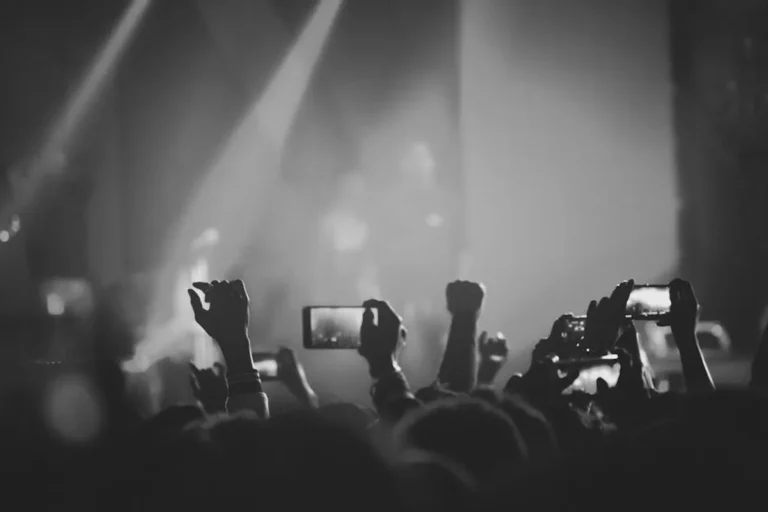
While formal presentations are central, candid shots add depth and authenticity. During networking sessions, receptions, and breaks, look for genuine interactions, laughter, and informal conversations. These images humanize the event and often provide excellent content for social media and internal communications. Focus on small groups, interesting expressions, and details that reflect the event's atmosphere. A longer lens can be useful here to capture moments discreetly without disturbing guests.
Post-Event Workflow and Delivery
The work doesn't end when the event does. An efficient post-production process is vital for client satisfaction.
Culling and Selection
Immediately after the event, back up all images to multiple storage locations. Begin the culling process by quickly reviewing all shots, eliminating out-of-focus, poorly exposed, or redundant images. Focus on selecting the strongest images that best represent the event's narrative and key moments. Prioritize shots featuring VIPs, award recipients, and sponsors. Aim for a diverse selection that includes wide shots, medium shots, details, and candids.
Editing for Consistency
Process selected images for consistent exposure, color balance, and sharpness. Apply subtle adjustments to enhance the natural look of the photographs, avoiding over-processing. Crop images for stronger composition and to remove distractions. If required, apply any specific branding guidelines or logos provided by the client. Consistency in editing across all delivered images reflects professionalism and creates a cohesive visual narrative.
Delivery and Usage
Deliver images promptly according to the agreed-upon timeline. Provide files in appropriate formats and resolutions for their intended use (e.g., high-resolution JPEGs for print, web-optimized JPEGs for online galleries and social media). Utilize a secure online gallery for client review and download, allowing for easy sharing. Clearly communicate usage rights and licensing terms to the client. A well-organized delivery system reinforces your professionalism and makes it easy for clients to utilize their valuable assets.
Optimizing Your Event Photography
Mastering awards event photography means consistently delivering images that meet and exceed client expectations. This involves not just technical skill but also a deep understanding of the event's purpose and the commercial value of the photographs. By meticulously planning, adapting to dynamic environments, and executing a polished post-production workflow, you ensure that every captured moment contributes meaningfully to the event's legacy and the client's objectives. Professionalism in every step, from initial communication to final delivery, builds trust and secures future opportunities.
Frequently Asked Questions
What are the most crucial lenses for awards event photography?
A fast 24-70mm f/2.8 zoom is excellent for versatility, covering wide shots to tighter compositions. A 70-200mm f/2.8 zoom is essential for capturing stage action from a distance and discreet candids. Additionally, a fast prime lens like a 50mm f/1.4 or 85mm f/1.4 is invaluable for low-light situations and creating portraits with beautiful background blur.
How do I handle challenging stage lighting with mixed colors?
Set your camera's white balance manually by taking a custom reading from a neutral gray card under the stage lights, or choose a preset that best matches the dominant light source (e.g., Tungsten/Incandescent). Alternatively, shoot in RAW format, which allows for more flexible white balance adjustments during post-processing without loss of quality.
Should I use flash for every shot during an awards ceremony?
No, direct flash should be used judiciously. Over-reliance on direct flash can create harsh shadows and distract from the ambiance. Use flash primarily to fill shadows in challenging lighting, for group photos, or when ambient light is insufficient. Always bounce the flash off a ceiling or use a diffuser when possible to create softer, more natural light.
What's the best way to deliver photos to a client after the event?
Utilize a professional online gallery service that allows clients to view, select, and download images securely. Ensure the gallery is password-protected and offers options for both high-resolution files (for print) and web-optimized files (for online use). Provide clear instructions on how to access and download the images, and always back up the final delivered files.