The Polestar 4 enters the electric vehicle market as a distinct SUV coupe, positioned to blend the aerodynamic profile of a coupe with the practicality of an SUV. This model specifically targets buyers seeking a high-performance EV that prioritizes minimalist design, advanced technology, and a unique driving experience. Its introduction addresses a growing demand for electric vehicles that move beyond traditional sedan or full-SUV formats, offering a compelling option for those who value both aesthetic innovation and functional utility in their automotive choices.
Positioning and Design Philosophy
The "4" in Polestar 4 signifies its placement in the brand's expanding lineup, slotting between the compact Polestar 2 and the larger SUV, the Polestar 3. This model is not merely a scaled-down version of its siblings but represents a deliberate evolution in Polestar's design language and market strategy. Its core philosophy revolves around what Polestar terms "a new breed of SUV coupe," emphasizing a sleek, low-slung silhouette typically associated with performance coupes, combined with the elevated driving position and increased ground clearance of an SUV.
A defining characteristic of the Polestar 4 is the deliberate removal of the traditional rear window. This design choice serves multiple purposes: it enhances structural rigidity, allows for an expansive panoramic glass roof extending beyond the rear passengers' heads, and reimagines the rear cabin space for improved comfort and privacy. Rear visibility is instead managed through a high-definition digital display fed by a roof-mounted camera, providing a wider field of view than a conventional mirror. This decision underscores Polestar's commitment to pushing design boundaries and integrating technology to redefine automotive norms.
Exterior Elements and Aerodynamics
The exterior of the Polestar 4 features a low nose, retractable door handles, and frameless windows, all contributing to its aerodynamic efficiency. The dual-blade front lights, a signature Polestar design cue, are split to integrate with the distinct lighting signature. The vehicle's long wheelbase and short overhangs contribute to a commanding road presence, while the sloping roofline converges into a sharply defined rear, devoid of a conventional window. Aerodynamic enhancements, such as flush glazing and optimized airflow channels, are integrated throughout the body to improve range and stability.
Interior Experience and Technology Integration
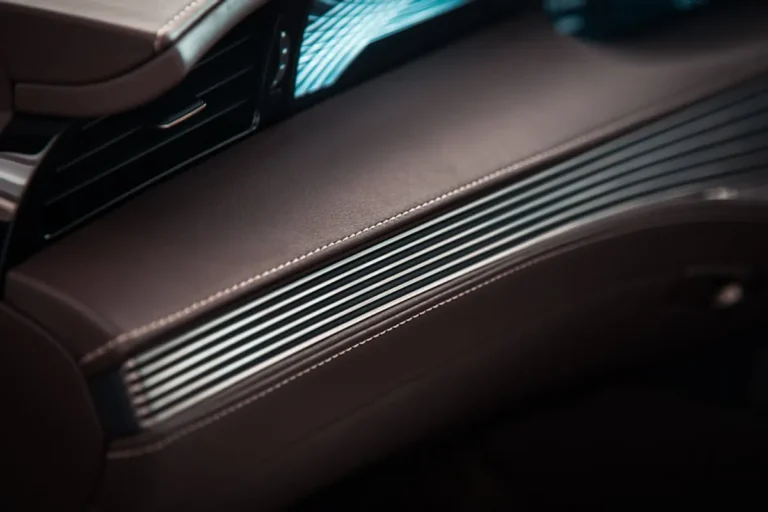
Inside, the Polestar 4 emphasizes a minimalist aesthetic, characterized by clean lines and sustainable materials. The cabin is designed to feel spacious and uncluttered, with a focus on driver-centric controls and passenger comfort. The absence of a physical rear window allows for a unique interior configuration, providing a more intimate and private rear passenger experience, complemented by the extended glass roof that offers an open, airy feel.
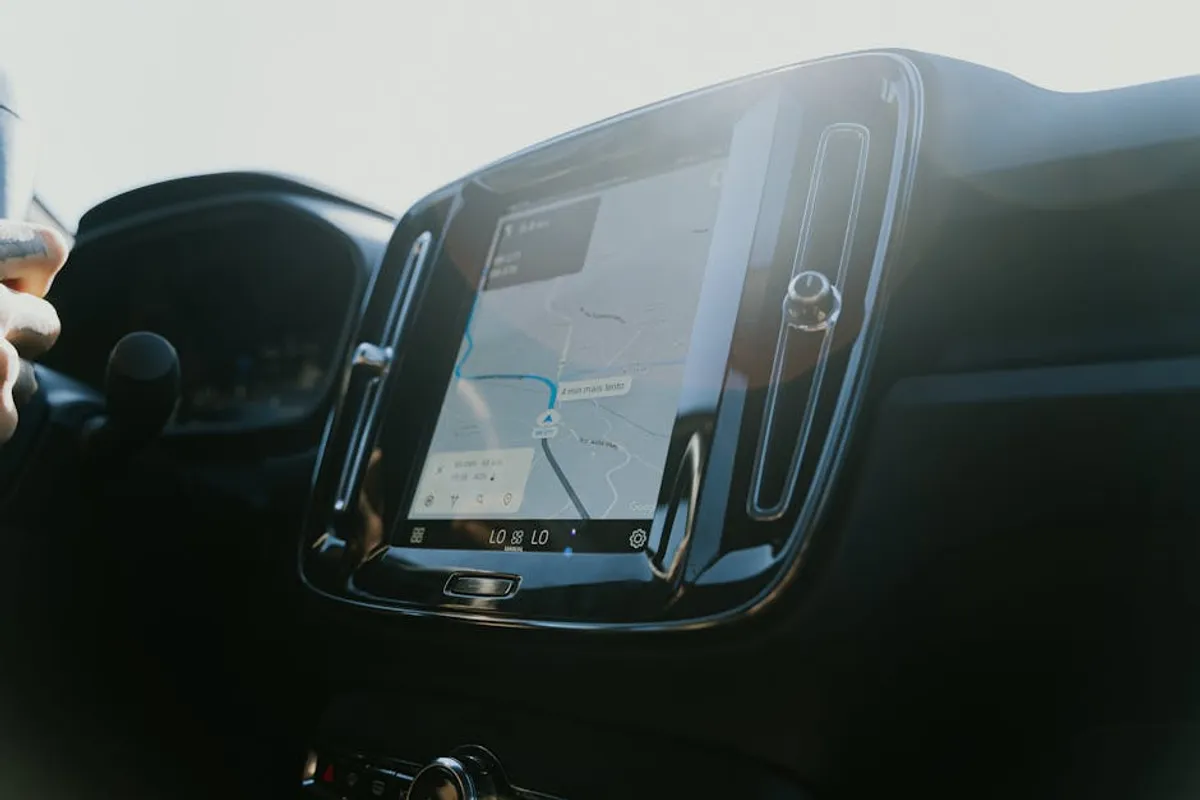
Technology is central to the Polestar 4's interior. A 15.4-inch landscape-oriented central display powers the Android Automotive OS infotainment system, featuring Google built-in services such as Google Assistant, Google Maps, and Google Play. This integration provides seamless access to navigation, media, and communication tools directly through the vehicle's interface. A 10.2-inch driver display provides essential driving information, while an optional head-up display projects key data onto the windshield. The vehicle also integrates advanced driver-assistance systems (ADAS), including a suite of cameras, radar, and ultrasonic sensors to support safety and convenience features.
Key Interior Features:
- 15.4-inch Android Automotive OS infotainment system
- 10.2-inch digital driver display
- Optional electrochromic panoramic glass roof
- Recycled and bio-attributed interior materials
- Harman Kardon audio system (optional)
- Advanced air purification system
Performance Specifications and Range
The Polestar 4 is available in both single-motor (rear-wheel drive) and dual-motor (all-wheel drive) configurations, each offering distinct performance characteristics. Both versions utilize a 102 kWh battery pack.
The single-motor variant delivers 272 hp (200 kW) and 343 Nm of torque, achieving 0-100 km/h in 7.4 seconds. This configuration prioritizes efficiency, offering an estimated WLTP range of up to 600 km (approximately 370 miles).
The dual-motor variant, designed for enhanced performance, produces 544 hp (400 kW) and 686 Nm of torque, enabling a 0-100 km/h acceleration in 3.8 seconds. This makes it Polestar's fastest production car to date. Its estimated WLTP range is up to 580 km (approximately 360 miles).
Charging Infrastructure and Battery Management
The 102 kWh battery supports DC fast charging at up to 200 kW, allowing for rapid replenishment of charge. AC charging is also supported at up to 22 kW. The vehicle incorporates bi-directional charging hardware, enabling future vehicle-to-load (V2L) functionality, which could allow the Polestar 4 to power external devices or even feed energy back into a home grid. An advanced heat pump is standard, optimizing range efficiency in varying temperatures by utilizing ambient heat.
Pro Tip: When evaluating the Polestar 4, consider the implications of its rear-windowless design. While the digital rearview mirror offers a wider field of view, some drivers may prefer the tactile and depth perception benefits of a traditional mirror. Test driving in varied conditions can help assess personal comfort with this innovative approach to visibility.
Target Market and Practical Applications
The Polestar 4 is designed for a discerning segment of the EV market that values progressive design, sustainable luxury, and robust performance. Its "SUV coupe" form factor makes it suitable for urban environments where maneuverability is key, while its substantial range supports longer journeys. The spacious interior, particularly the re-imagined rear cabin, caters to individuals or small families seeking comfort and advanced connectivity. It serves as a practical daily driver for commuters and a capable vehicle for weekend escapes, balancing dynamic driving with everyday utility. Its focus on integrated technology and sustainable materials also appeals to tech-savvy and environmentally conscious consumers.
Key Considerations for Prospective Owners
Prospective owners should evaluate the Polestar 4 based on its unique blend of design, technology, and performance. The decision to remove the rear window is a significant differentiator that impacts both aesthetics and driving experience; understanding how the digital rearview mirror functions in practice is crucial. Buyers should also consider their charging infrastructure access, though the vehicle's fast-charging capabilities and bi-directional hardware offer flexibility. The Polestar 4 represents a premium offering, and its pricing reflects its advanced features and design innovation. Understanding the various trim levels and optional packages will allow buyers to configure a vehicle that aligns with their specific needs and preferences, from performance enhancements to interior material choices.
Frequently Asked Questions
What is the primary difference between the Polestar 4 and Polestar 2?
The Polestar 4 is an SUV coupe, offering a higher ride height and a distinct design language, including the absence of a traditional rear window. The Polestar 2 is a compact fastback sedan, more conventional in its body style.
Does the Polestar 4 have a rear window?
No, the Polestar 4 replaces the traditional rear window with a high-definition digital screen that displays a live feed from a roof-mounted rear camera, providing enhanced rear visibility.
What is the estimated range of the Polestar 4?
The single-motor Polestar 4 has an estimated WLTP range of up to 600 km (approximately 370 miles), while the dual-motor version offers up to 580 km (approximately 360 miles).
What operating system does the Polestar 4's infotainment use?
The Polestar 4 uses Android Automotive OS with Google built-in, providing integrated access to Google Assistant, Google Maps, and other Google Play services.