The Rajdoot name evokes a specific era of motorcycling, particularly in the Indian subcontinent. For 2024, the concept of a new Rajdoot bike presents a unique proposition, blending historical resonance with contemporary market demands. This guide explores what a modern Rajdoot could signify, its potential applications, and the critical details that would define its place in today's competitive two-wheeler landscape. Understanding this blend of legacy and innovation is crucial for anyone considering its commercial appeal or personal acquisition.
What is the Rajdoot Bike 2024?
The "Rajdoot Bike 2024" refers to a hypothetical or conceptual modern revival of the classic Rajdoot motorcycle brand. Originally a prominent Indian marque, Rajdoot bikes were known for their rugged simplicity, affordability, and utilitarian design, particularly the popular Rajdoot 175 and the licensed Yamaha RD350 (marketed as Rajdoot 350). A 2024 iteration would aim to capture this historical essence while integrating modern engineering, emissions standards, and rider expectations. Its definition hinges on balancing nostalgic appeal with functional relevance in the current market.
Historical Context and Brand Legacy
The original Rajdoot motorcycles, produced by Escorts Group, were workhorses of their time. They established a reputation for durability and ease of maintenance, becoming a common sight across diverse Indian terrains. This legacy is not merely about mechanical specifications; it's about a cultural footprint. Any new Rajdoot model would inherently carry this weight of expectation, aiming to resonate with a generation that grew up with the brand and a new one seeking authenticity and retro charm. The brand’s past success in utility and accessibility forms the foundation for its potential future positioning.
Key Design and Engineering Principles
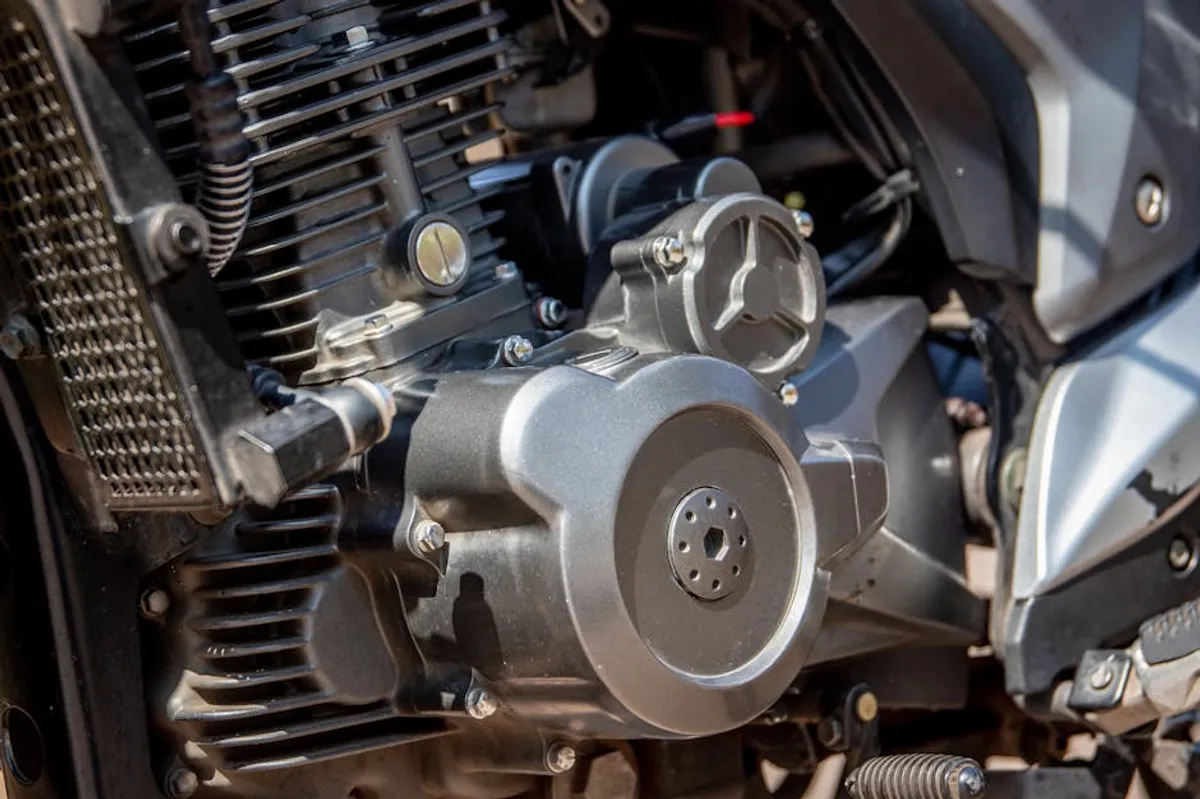
A contemporary Rajdoot would likely adhere to core principles that made its predecessors successful: reliability, straightforward mechanics, and a distinctive aesthetic. For 2024, this translates to robust build quality, possibly a focus on single-cylinder, air-cooled engines for simplicity and character, and a design language that clearly references its heritage without being overtly retro pastiche. Engineering would prioritize longevity and ease of repair, potentially leveraging modern manufacturing techniques to improve efficiency and reduce environmental impact, while maintaining a competitive cost structure.
Understanding its 'Meaning' and Market Position
The 'meaning' of a Rajdoot Bike 2024 extends beyond its physical attributes; it encompasses its cultural resonance and strategic market placement. This is where its commercial viability will be most acutely felt.
Cultural Significance and Nostalgia Factor
For many, the Rajdoot name is synonymous with a bygone era of Indian motorcycling, representing resilience and a certain rugged independence. A 2024 model would tap into a powerful nostalgia factor, appealing to riders who remember the original or those who appreciate vintage aesthetics and simpler mechanics. This emotional connection can translate into significant brand loyalty and a distinct market identity, differentiating it from purely performance-driven or feature-laden competitors. The bike becomes more than transport; it's a statement about heritage and enduring values.
Target Demographics and Niche Appeal
The Rajdoot Bike 2024 would likely target several distinct demographics:
- Retro Enthusiasts: Riders seeking a classic look and feel, valuing authenticity over cutting-edge technology.
- Urban Commuters: Individuals prioritizing reliability, ease of maneuverability, and a distinctive aesthetic for daily travel.
- First-Time Buyers/Budget-Conscious Riders: If positioned competitively on price, it could attract those seeking an accessible and dependable entry into motorcycling.
- Customization Community: The simple, robust platform could appeal to builders looking for a canvas for personalization, much like the original models.
Its niche appeal would be in offering a counter-narrative to increasingly complex and digitally integrated motorcycles, providing a more elemental and engaging riding experience.
Primary Uses and Application Scenarios
The utility of a Rajdoot Bike 2024 would be defined by its design principles, catering to specific rider needs and environments.
Commuting and Urban Mobility
Best for: Daily commutes, navigating congested city streets, and short-to-medium distance travel.
A modern Rajdoot, with its potential for a compact footprint, upright riding position, and torque-rich engine, would excel in urban environments. Its expected simplicity in operation and maintenance would make it a practical choice for riders seeking a hassle-free daily driver. The classic aesthetic also offers a degree of distinctiveness in a sea of modern scooters and motorcycles, allowing riders to express individuality.
Leisure Riding and Enthusiast Appeal
Best for: Weekend rides, scenic routes, and joining retro motorcycle clubs.
Beyond utility, the Rajdoot Bike 2024 would serve as a leisure vehicle. Its inherent character, engine note, and tactile riding experience would appeal to enthusiasts who value the journey as much as the destination. It offers a more engaging and less sanitized ride compared to many contemporary bikes, fostering a deeper connection between rider and machine. This makes it suitable for leisurely exploration and participation in community events centered around classic and retro motorcycles.
Customization and Modification Potential
Best for: Owners looking to personalize their vehicle, café racer builds, and bobber projects.
The original Rajdoot bikes were often customized due to their straightforward design. A 2024 model, if designed with this in mind, could offer a robust platform for personalization. A simple frame, accessible engine, and ample aftermarket support (or potential for it) would allow owners to modify the bike to their taste, transforming it into a café racer, bobber, or scrambler. This potential for individual expression adds significant value and extends the bike's lifecycle and appeal within a passionate subculture.
Pro Tip: When evaluating a new Rajdoot, scrutinize the parts availability and service network. While the design might be simple, proprietary components or a limited service infrastructure can significantly impact long-term ownership costs and convenience, especially for a revived brand.
Key Details: Specifications and Features
Assuming a 2024 revival, the specifications would blend heritage with essential modern requirements.
Engine and Performance Metrics
A Rajdoot Bike 2024 would likely feature a single-cylinder, air-cooled engine, potentially in the 150-250cc range, balancing power with fuel efficiency. Expect a focus on low-to-mid range torque for urban usability rather than high-end horsepower. Power output might range from 10-18 bhp, with a robust five-speed gearbox. Modern fuel injection (FI) would be standard for emissions compliance and improved throttle response, replacing the carburetors of old. The engine note would be a crucial element, designed to evoke the classic thump or two-stroke rasp, depending on the chosen engine architecture.
Chassis, Suspension, and Braking Systems
The chassis would likely be a sturdy, single-downtube or double-cradle frame, prioritizing durability and a comfortable ride. Suspension would feature conventional telescopic forks at the front and twin shock absorbers at the rear, tuned for absorption over various road conditions. Braking would be updated with a front disc brake as standard, complemented by a rear drum or disc, and equipped with single-channel or dual-channel ABS for enhanced safety, meeting contemporary regulatory requirements.
Modern Enhancements and Technology Integration
While maintaining a retro aesthetic, a 2024 Rajdoot would incorporate subtle modern touches. This could include LED lighting for improved visibility and longevity, a semi-digital instrument cluster providing essential information like fuel level, odometer, and trip meters while retaining an analog speedometer, and potentially a USB charging port. The integration would be minimalist, avoiding complex infotainment systems that might detract from the bike's core character or add unnecessary cost.
Maintenance and Ownership Considerations
A key detail for a Rajdoot Bike 2024 would be its ease of maintenance. Designed for simplicity, routine servicing should be straightforward and relatively inexpensive. Long service intervals and readily available spare parts would be critical to its appeal as a practical motorcycle. Fuel efficiency, especially with modern FI systems, would also be a significant ownership benefit, contributing to lower running costs.
Making an Informed Decision
The Rajdoot Bike 2024, as a concept, represents a compelling blend of heritage and contemporary utility. Its success hinges on how effectively it can deliver on its promise of rugged simplicity, nostalgic appeal, and modern reliability. For potential owners, evaluating its long-term value involves considering not just the initial purchase price, but also the availability of service, parts, and its fit within their specific riding requirements. The commercial viability for marketers lies in understanding its unique position as a character-driven alternative in a market often saturated with feature-rich but less distinctive options.
Frequently Asked Questions
What is the expected engine size for a Rajdoot Bike 2024?
A modern Rajdoot would likely feature a single-cylinder engine in the 150cc to 250cc range, balancing classic character with contemporary fuel efficiency and power needs.
Will a Rajdoot Bike 2024 have modern safety features?
Yes, a 2024 model would be expected to include essential modern safety features like front disc brakes and an Anti-lock Braking System (ABS) to meet current safety standards.
What is the primary appeal of a revived Rajdoot bike?
Its primary appeal lies in its strong nostalgic value, rugged design, and potential for a simpler, more engaging riding experience, differentiating it from more technologically complex modern motorcycles.
Is the Rajdoot Bike 2024 suitable for long-distance touring?
While capable, a Rajdoot Bike 2024 would likely be optimized for urban commuting and leisure riding. Its inherent simplicity might make it less comfortable for extended long-distance touring compared to dedicated touring motorcycles.