
The Volkswagen ID. Buzz represents a significant entry into the electric vehicle market, blending nostalgic design cues with contemporary electric powertrain technology. For businesses considering fleet electrification or individuals seeking a distinctive, versatile electric vehicle, understanding its core proposition, functional capabilities, and market positioning is essential. This guide outlines the ID. Buzz's design philosophy, technical specifications, intended applications, and practical considerations for prospective owners and operators. Understanding the VW ID Buzz key details about the VW ID Buzz will help you make an informed choice.
Understanding the VW ID Buzz Concept
The ID. Buzz is Volkswagen's modern interpretation of its iconic Type 2 Microbus, reimagined as a fully electric vehicle. It sits on the Modular Electric Drive Matrix (MEB) platform, shared with other VW Group electric models, which allows for a flat floor and optimized interior space. The concept aims to bridge the past with the future, offering a vehicle that is both a nod to automotive heritage and a forward-looking solution for sustainable mobility. Its development focuses on maximizing interior volume and passenger comfort while integrating advanced driver assistance systems and connectivity features.
Design Philosophy: Heritage Meets Future
The exterior design of the ID. Buzz is its most immediately recognizable feature. It deliberately evokes the classic Microbus, characterized by a short front overhang, a prominent VW badge, and available two-tone paint schemes. The large, upright windshield and expansive glass area contribute to a bright, airy cabin. LED lighting signatures, both front and rear, modernize the aesthetic while maintaining a friendly, approachable demeanor. This design strategy aims to create a vehicle with broad appeal, from families to businesses seeking a distinctive brand presence.
Powertrain and Performance Specifications
Initially, the ID. Buzz launches with a single powertrain configuration. It features a 77 kWh (net) battery pack, powering a rear-mounted electric motor that delivers 201 horsepower (150 kW) and 229 lb-ft (310 Nm) of torque. This setup allows for a top speed electronically limited to 90 mph (145 km/h). The vehicle supports DC fast charging at up to 170 kW, enabling a 5% to 80% charge in approximately 30 minutes under optimal conditions. The official WLTP range for the passenger version is up to 263 miles (423 km), while the Cargo variant offers a similar range, depending on configuration and load. Future variants, including a long-wheelbase version and potentially a dual-motor all-wheel-drive option, are anticipated to expand its capabilities.
Interior Versatility and Technology Integration
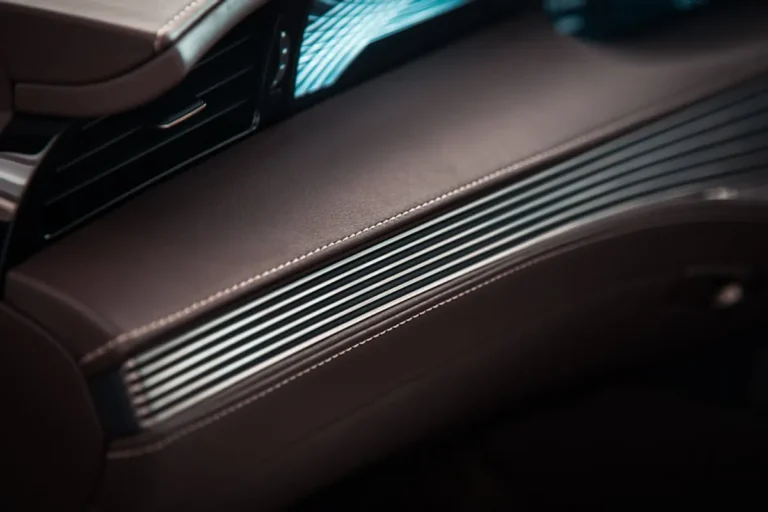
The ID. Buzz interior prioritizes space, flexibility, and digital integration. The MEB platform's flat floor allows for configurable seating arrangements in the passenger version, including removable and sliding rear seats to adapt to various cargo and passenger needs. The Cargo variant, designed for commercial use, offers a spacious load area with up to 137.7 cubic feet (3.9 cubic meters) of storage in its standard form, accommodating two Euro pallets. Both versions feature a minimalist dashboard design, dominated by a digital instrument cluster and a central infotainment touchscreen (10-inch standard, 12-inch optional). Connectivity is managed through Volkswagen's "We Connect" services, providing real-time traffic updates, remote vehicle access, and charging management tools.
Target Applications and Market Positioning
The ID. Buzz is positioned to serve a dual market: personal mobility and commercial fleets.
Personal Mobility
For private users, it appeals to those seeking a unique, spacious, and environmentally conscious family vehicle. Its distinctive design and comfortable ride make it suitable for long road trips, while its maneuverability and elevated driving position are assets in urban environments. The flexible interior supports active lifestyles, easily accommodating sports equipment, camping gear, or multiple passengers.
Commercial Fleet Potential
The ID. Buzz Cargo variant is specifically engineered for businesses. Its electric powertrain offers lower operating costs due to reduced fuel expenses and maintenance compared to internal combustion engine vans. The vehicle's compact footprint, combined with its substantial cargo volume, makes it ideal for urban deliveries, last-mile logistics, and service industries. The recognizable design also serves as a mobile billboard, enhancing brand visibility for businesses that utilize it.
Pro Tip: When evaluating the ID. Buzz for commercial fleet integration, calculate total cost of ownership (TCO) beyond the purchase price. Factor in electricity costs, potential government incentives, reduced maintenance schedules for EVs, and the residual value, which can significantly impact long-term operational budgets.
Navigating Charging and Range Considerations
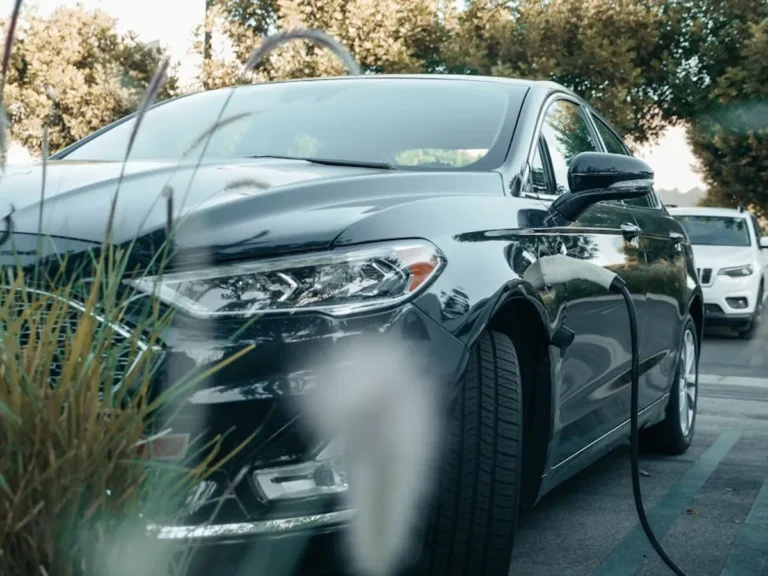
Understanding the ID. Buzz's charging requirements is crucial for maximizing its utility. While its 170 kW DC fast charging capability allows for quick top-ups on long journeys, most daily charging will occur at Level 2 (AC) stations, typically at home or a depot. A full charge on a 11 kW AC charger takes approximately 7.5 hours. Prospective owners or fleet managers need to assess their typical daily mileage against the vehicle's real-world range, which can be affected by temperature, driving style, and payload. Investing in appropriate charging infrastructure at home or the workplace is a prerequisite for seamless operation.
Key Considerations for Prospective Owners
Before committing to an ID. Buzz, consider the following practical points:
- Charging Infrastructure: Ensure access to reliable Level 2 or DC fast charging options that align with your usage patterns.
- Payload and Towing: The ID. Buzz Cargo offers a payload capacity of up to 1,433 lbs (650 kg) and a towing capacity of 2,200 lbs (1,000 kg). Verify these figures meet your specific operational needs.
- Software Updates: Like many modern EVs, the ID. Buzz relies on over-the-air (OTA) software updates for system improvements and new features. Understand the update process and potential impacts.
- Market Availability: Initial availability and specific configurations can vary by region. Confirm local dealership stock and ordering options.
Frequently Asked Questions about the VW ID Buzz
What is the range of the VW ID. Buzz?
The VW ID. Buzz (passenger version) has an official WLTP range of up to 263 miles (423 km) on a single charge, though real-world range can vary.
How long does it take to charge the ID. Buzz?
Using a DC fast charger at 170 kW, the battery can charge from 5% to 80% in approximately 30 minutes. A full charge on an 11 kW AC charger takes about 7.5 hours.
Is the VW ID. Buzz available as a commercial van?
Yes, the VW ID. Buzz Cargo is a dedicated commercial variant designed for businesses, offering a spacious and flexible load area.
What are the key technology features inside the ID. Buzz?
It includes a digital instrument cluster, a central infotainment touchscreen (up to 12 inches), advanced driver assistance systems, and Volkswagen's "We Connect" suite for connectivity and charging management.