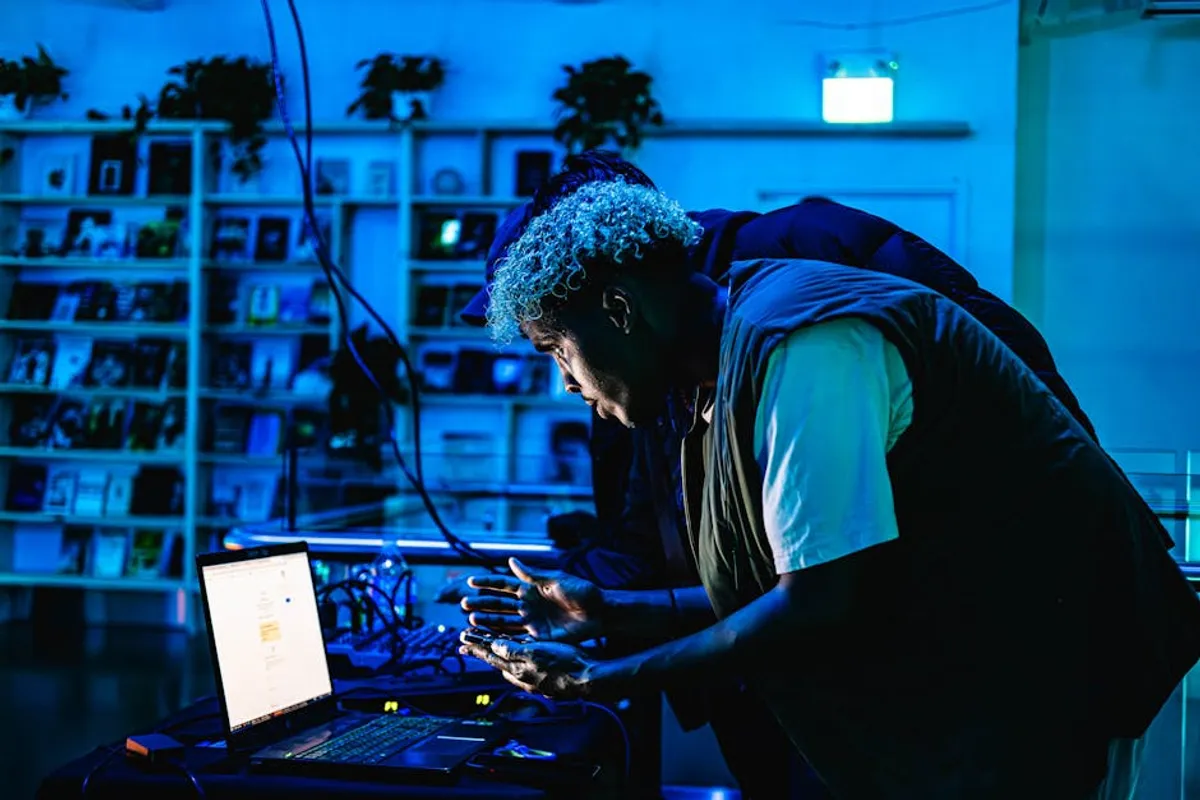
Capturing musicians effectively goes beyond technical proficiency; it requires understanding the artist's brand, the performance context, and the commercial utility of the final images. For labels, publicists, and artists themselves, professional photography serves as a critical marketing asset, shaping public perception and driving engagement. This guide outlines the strategic approach to photographing musicians, from live event dynamics to controlled studio environments, ensuring the visual output consistently supports the artist's commercial objectives. This strategic approach ensures visual output consistently supports the artist's commercial objectives, especially when photographing live events.
Navigating Diverse Performance Environments
The approach to photographing musicians varies significantly depending on whether the setting is a dynamic live concert or a controlled studio session. Each environment presents distinct challenges and opportunities for visual storytelling. Each environment presents distinct challenges and opportunities for visual storytelling, whether you are photographing concerts or studio sessions.
Live Concerts: Anticipating Movement and Lighting Challenges
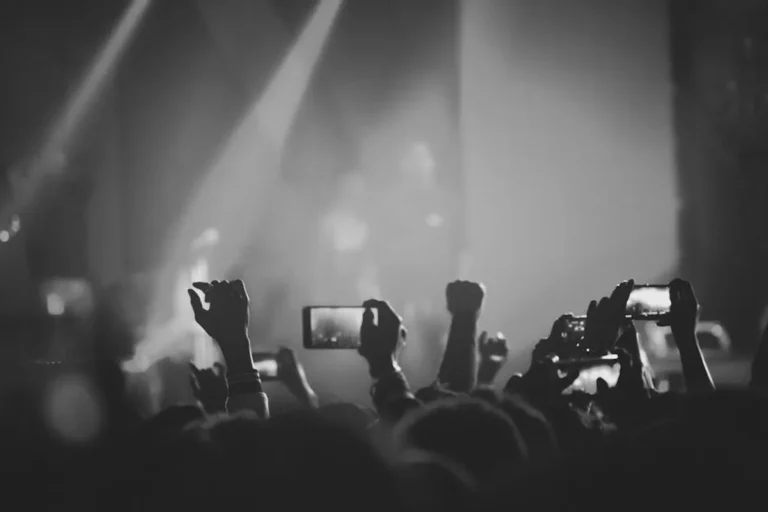
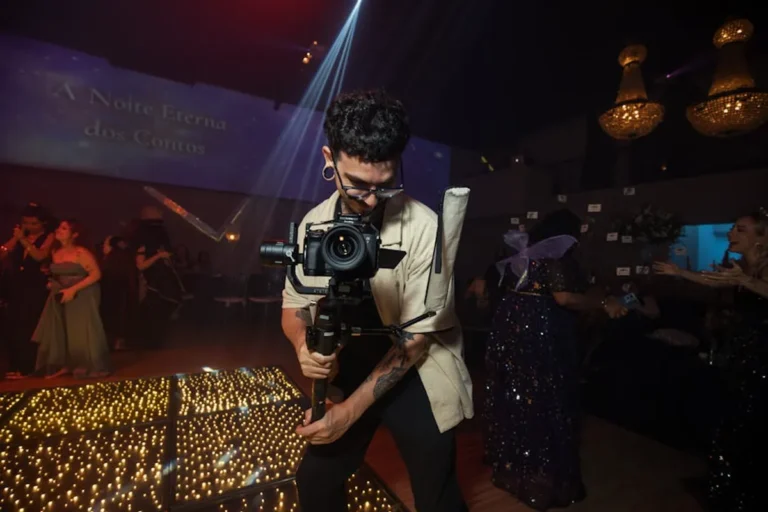
Live concert photography demands rapid decision-making and technical adaptability. Lighting is often unpredictable, ranging from dim ambient light to intense, rapidly changing stage effects. Photographers must prioritize capturing peak action and authentic expressions within these constraints.
- Low Light Management: Employ cameras with strong ISO performance to maintain image quality in challenging light. Lenses with wide apertures (f/2.8 or faster) are essential for gathering maximum light and achieving shallow depth of field, isolating the performer from busy backgrounds.
- Dynamic Action Capture: Utilize fast shutter speeds (typically 1/250s or higher, depending on movement) to freeze motion. Continuous autofocus modes (AI Servo on Canon, AF-C on Nikon/Sony) are crucial for tracking moving subjects, often combined with high-speed burst shooting to capture decisive moments.
- Metering and White Balance: Stage lighting can create complex exposure scenarios. Spot metering on the performer's face helps ensure correct exposure, preventing blown-out highlights or underexposed shadows. Auto white balance often struggles with mixed stage lights; manual white balance presets or post-processing adjustments are frequently necessary to achieve accurate color rendition.
Studio Sessions: Controlled Lighting for Artist Branding
Studio photography offers complete control over lighting, background, and posing, allowing for meticulous crafting of the artist's visual identity. This environment is ideal for creating promotional materials, album art, and press kits where consistency and high production value are paramount.
Key for: Album art, press kits, branding visuals
Setting up a studio shoot involves deliberate choices:
- Lighting Setup: A typical three-point lighting setup (key, fill, and hair/rim light) provides dimension and separation. Modifiers like softboxes, octaboxes, and strip lights shape the light to flatter the artist and their instrument. Gels can be used to introduce specific color palettes, reinforcing the artist's aesthetic.
- Background Selection: Seamless paper backdrops offer a clean, distraction-free environment. Textured backdrops or painted canvases can add character and depth, aligning with the artist's genre or mood. Consider how the background will complement, not compete with, the subject.
- Posing and Direction: Collaborate with the artist to convey their persona. Directing poses should feel natural and authentic, highlighting their connection to their instrument or their stage presence. Focus on capturing expressions that reflect their music's emotional core.
Essential Gear for Professional Musician Photography
The right equipment facilitates capturing high-quality images under varied conditions. Investment in specific camera bodies, lenses, and lighting tools directly impacts the commercial viability and aesthetic quality of the final product.
Camera Bodies: Balancing Speed and Low-Light Performance
Professional-grade camera bodies offer robust build quality, advanced autofocus systems, and superior image sensors. Full-frame sensors generally provide better low-light performance and dynamic range compared to APS-C sensors, which is critical for maintaining detail in shadowy concert venues.
Benefit: Enhanced image quality in diverse lighting, faster processing.
Look for models with high frames-per-second (fps) burst rates for capturing rapid sequences in live performances and dual card slots for immediate backup during critical shoots.
Lenses: Versatility Across Scenarios
Lens selection is paramount, dictating focal length, aperture, and overall image sharpness. A versatile kit covers both wide-angle environmental shots and tight, expressive portraits.
- Fast Prime Lenses: Lenses like a 50mm f/1.4, 85mm f/1.8, or 135mm f/2 are indispensable for their wide apertures, allowing significant light gathering and beautiful background blur (bokeh). They are excellent for portraits and isolating subjects in low light.
- Versatile Zoom Lenses: A 24-70mm f/2.8 zoom provides flexibility for capturing a range of perspectives in studio or from the photo pit. A 70-200mm f/2.8 zoom is a staple for live events, offering reach to capture performers from a distance while maintaining a fast aperture for low-light conditions.
Lighting Equipment: Shaping the Artist's Image
Beyond natural or stage lighting, supplementary lighting tools provide creative control and enhance production value.
Use case: Studio portraits, controlled environments.
For studio work, studio strobes or powerful speedlights with various modifiers (softboxes, umbrellas, grids) are essential for shaping light. Reflectors and diffusers are useful in both studio and outdoor settings for bouncing or softening available light, filling shadows, and reducing harsh highlights.
Pro Tip: Securing Access and Permissions
For live concert photography, always secure a photo pass or explicit permission from the artist's management or venue. Unauthorized photography can lead to equipment confiscation or removal. For studio work, ensure clear contracts outlining usage rights for all images, protecting both the photographer and the artist's interests.
Capturing the Artist's Essence
Beyond technical execution, the most impactful musician photography conveys personality, passion, and the unique story of the artist. This involves thoughtful direction and an eye for narrative.
Posing and Expression: Communicating Brand Identity
Effective musician photography communicates the artist's brand identity. This involves more than just a flattering angle; it's about capturing an authentic connection to their craft and audience.
Focus on: Authenticity, emotional connection, instrument interaction.
Encourage natural expressions and movements. For studio portraits, guide the artist through poses that reflect their musical style – intense and focused for a classical musician, energetic and dynamic for a rock performer. Pay close attention to hands, eyes, and the interaction with their instrument, as these details often convey the most emotion.
Storytelling Through Imagery: Beyond the Headshot
A comprehensive visual portfolio for a musician tells a story. This extends beyond standard performance or portrait shots to include elements that build a narrative around their life, creative process, and journey.
- Behind-the-Scenes: Documenting rehearsals, songwriting sessions, or pre-show rituals adds an intimate, human element that fans often appreciate.
- Environmental Portraits: Photographing the artist in their creative space—a home studio, a favorite cafe, or a significant landscape—provides context and depth to their persona.
- Interaction Shots: Images of the artist engaging with their audience, bandmates, or collaborators highlight their community and impact.
Delivering Impactful Visuals for Musicians
The goal of photographing musicians professionally is to create a compelling visual narrative that supports their career and resonates with their audience. This requires a blend of technical skill, artistic vision, and commercial awareness. By mastering the nuances of different shooting environments, leveraging appropriate gear, and focusing on authentic storytelling, photographers can consistently deliver images that not only look exceptional but also effectively serve the artist's marketing and branding objectives. Professional images are an investment, directly contributing to an artist's perceived value and market presence.
Frequently Asked Questions
What are the most important camera settings for live concert photography?
Prioritize a fast shutter speed (1/250s or higher) to freeze motion, a wide aperture (f/2.8 or wider) for low light and subject isolation, and a high ISO (often 1600-6400+) to compensate for dim conditions. Use continuous autofocus and burst mode to capture decisive moments.
How do I obtain permission to photograph a band at a venue?
Contact the band's management or publicist several weeks in advance to request a photo pass. If that's not possible, reach out to the venue's press or marketing contact. Always clarify the permissible shooting locations (e.g., photo pit, first three songs) and usage rights beforehand.
What's the main difference between studio and live musician photography?
Studio photography offers complete control over lighting, background, and posing, allowing for meticulous, branded imagery. Live photography is dynamic and unpredictable, requiring adaptability to capture candid, energetic moments under challenging, often mixed, lighting conditions.
How can I make my musician photos stand out commercially?
Focus on authenticity, storytelling, and brand alignment. Beyond technical quality, capture the artist's unique personality, their connection to their music, and their impact on an audience. Deliver a diverse portfolio that includes performance, portraits, and behind-the-scenes shots, all consistent with their artistic identity.